Fabrics and care · 5 October 2026 · 3 min read
Is karandi a winter or summer fabric?
Is karandi a winter fabric? Yes: it suits winter and the cool weeks either side. How weight and blend change the months it works, and whether summer is possible.
 Inspiration
Karandi is a winter fabric
Karandi is a winter fabric. It is thick, textured and warm, it is sold in winter collections, and it is at its most comfortable in the cold months and the cool weeks on either side of them. It is too heavy for summer heat, though a lighter karandi can serve on a chilly evening or in a climate where summer never really warms up.
The more useful question is which part of the cold season a particular karandi suits, because the name covers a range of weights and blends. Our karandi guide describes the cloth itself; this page is about the calendar.
Why it is warm
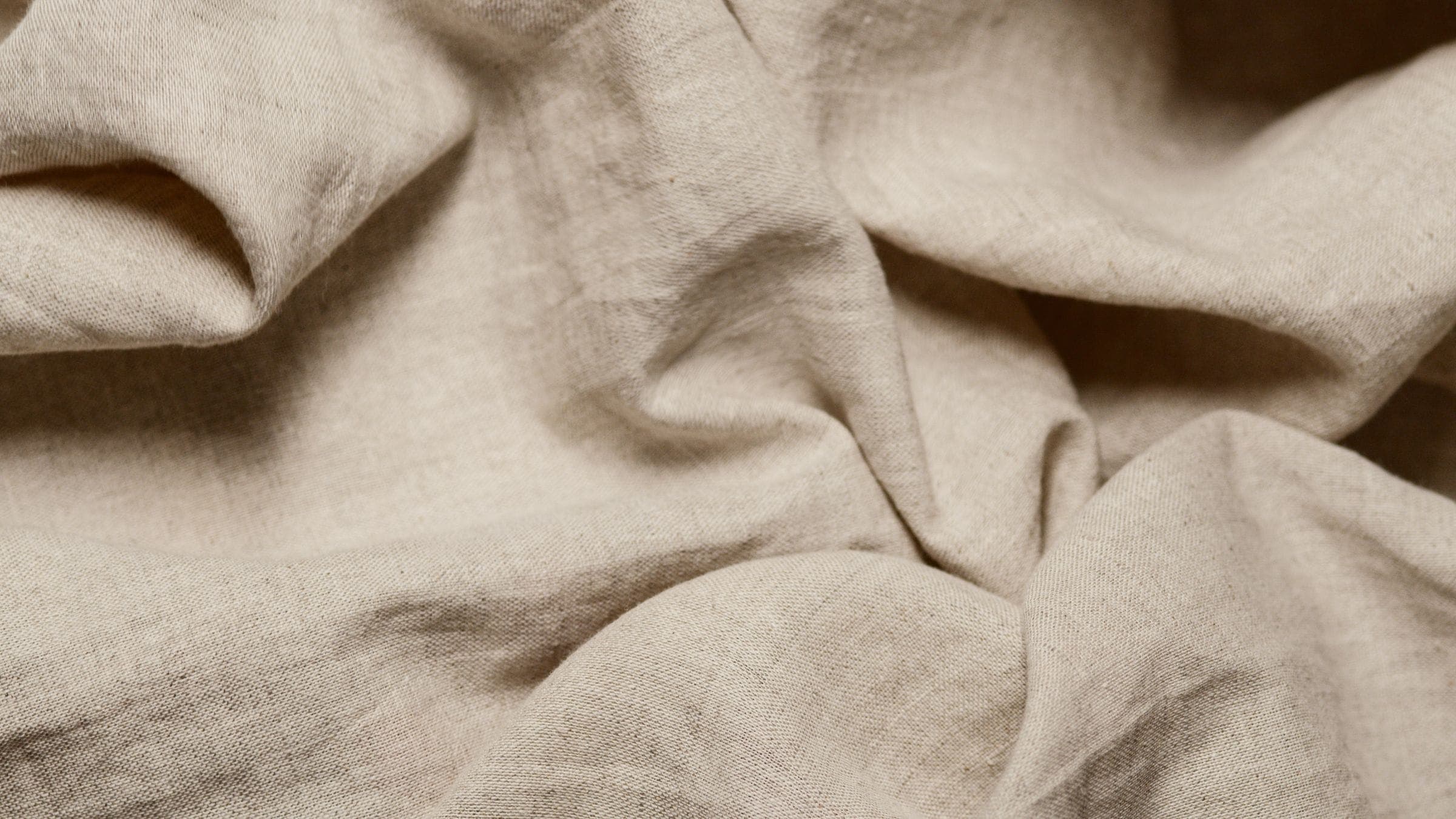
Karandi is woven from thick, uneven yarn into a dense cloth with a grainy surface. Thick yarn means more fibre between you and the air, and the rough texture holds a thin layer of still air against the body, which is what actually keeps you warm. The firm weave also blocks a breeze better than a soft, open one. The same qualities that make it welcome in January make it stifling in June.
How weight and blend change the months
Brands describe karandi’s fibre differently, and many labels do not state it at all, so read the composition where there is one. As a rough guide:
- Heavy karandi, or a blend with wool in it: the coldest weeks, and outdoor events in winter.
- Mid-weight, cotton-rich karandi: the long middle of the season, from late autumn to early spring, and heated rooms.
- Light karandi: the turn of the seasons, when mornings and evenings are cool but midday is not.
- Embroidered or lined karandi: warmer than the same cloth plain, because embroidery and lining each add a layer.
Can you wear karandi in summer?
In a hot summer, no. In Pakistan, the Gulf or anywhere with real heat, karandi traps warmth and moisture and becomes uncomfortable quickly, and no cut or colour changes that. Lawn and other light cottons exist for those months.
There are two fair exceptions. In places where summer evenings stay cool, such as much of the UK and northern Europe, a light karandi kameez can be worn on a grey day much as you would wear a light jacket. And in buildings chilled hard by air-conditioning, some people are glad of it. For most wardrobes, though, karandi is packed away when the lawn comes out.
The karandi season where you live
Because our clothes are made in Pakistan and sent worldwide, the season depends on the address. In Britain, Canada and northern Europe karandi earns its place for more than half the year, worn indoors and under a coat outside. In the Gulf its season is short: the cooler months, mostly in the evening, as described in our guides to UAE winter outfits and winter suits for Kuwait. In Australia, New Zealand and South Africa the calendar is reversed, so karandi belongs to the middle of the year.
Ordering a karandi outfit before the cold
Karandi suits simple, structured shapes; our embroidered karandi suit shows the kind of look it gives. If you own a karandi suit already, Stitching Only begins with photos of the fabric and label. If you would like us to supply the cloth, tell us how cold your winter is and we propose a fabric in the written quote; we do not promise a specific one beforehand. Production takes 5 to 7 working days once the quote is approved and paid in full, and shipping time is separate, so ask for a quote before the weather turns.
Common questions
Is karandi warm enough for a UK winter?
Indoors, yes. Outdoors it needs what any outfit needs in a British winter: a coat, and on the coldest days a thermal layer underneath. How warm a particular karandi is depends on its weight and blend.
When do karandi collections come out?
With the winter collections, which usually appear in the autumn, alongside khaddar, marina and winter linen.
Can karandi be worn for Eid?
When Eid falls in the cooler months, karandi is a popular choice, often with embroidery. When it falls in summer, a lighter fabric will be far more comfortable.