Fabrics and care · 5 October 2026 · 4 min read
Cambric vs lawn: what is the difference?
Cambric fabric vs lawn, side by side: thickness, sheerness, crispness and season, which piece of a suit each is used for, and a touch test to tell them apart.
 Inspiration
The difference in two sentences
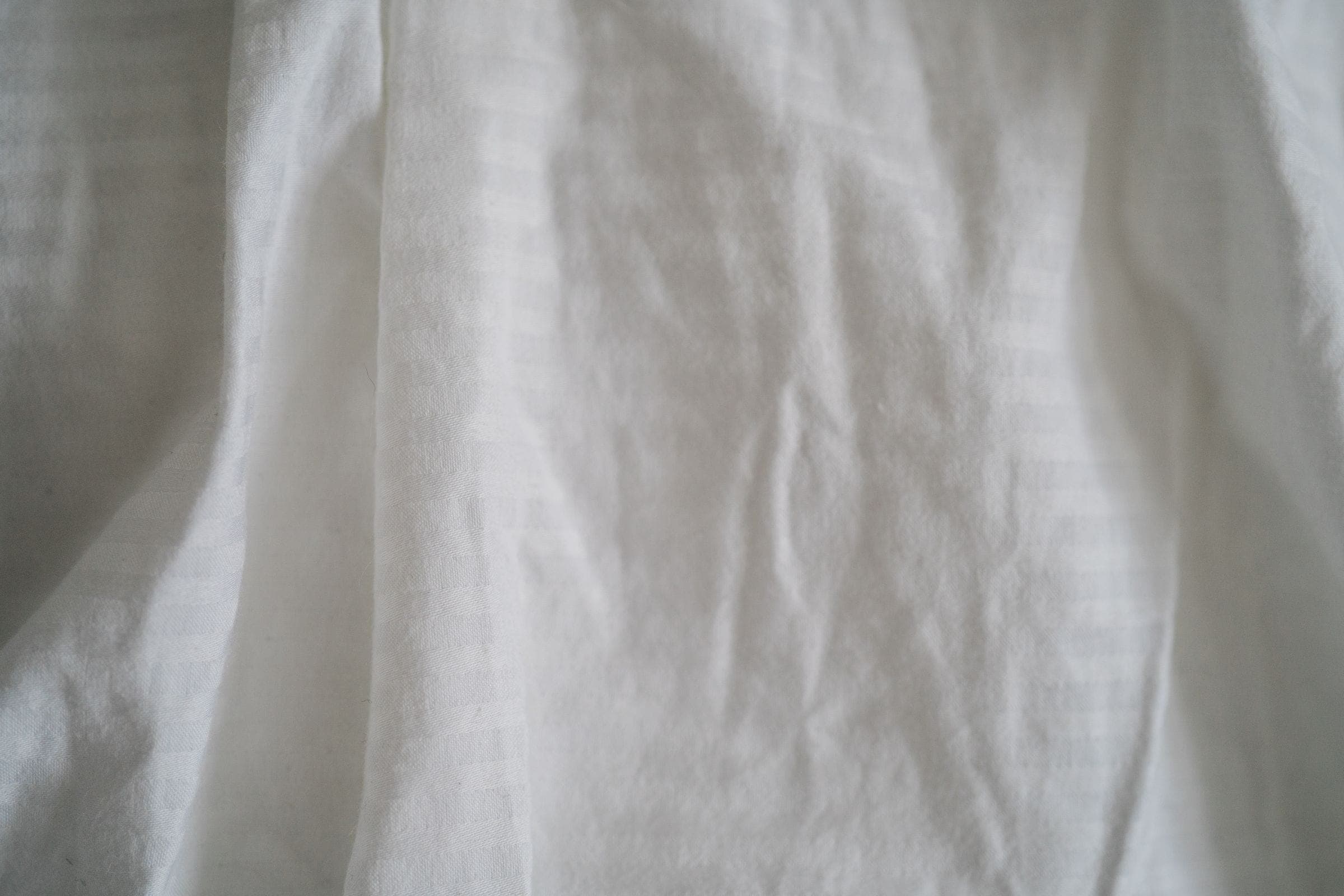
Cambric and lawn are both plain-weave cottons, and what separates them is density. Lawn is woven from very fine yarn into a thin, light, slightly sheer cloth for hot weather; cambric uses a slightly thicker yarn packed more closely, so it is heavier, more opaque and crisper, and it suits milder days and pieces that need body.
So yes, cambric is thicker than lawn, though not by much: next to khaddar or karandi, both count as light fabrics. Our lawn guide and cambric guide describe each one on its own. This page sets them next to each other, because most summer and mid-season suits use both.
Cambric and lawn, point by point
- Thickness: lawn is the thinner cloth and feels almost weightless in the hand. Cambric has a compact, slightly weighty feel, like a good shirt.
- Sheerness: pale lawn lets daylight and outlines through. Cambric in the same shade usually hides them, which is why it is so often worn unlined.
- Crispness: lawn is soft and collapses into gathers. Cambric keeps an edge, so a collar, a cuff or a pleat stays where it is pressed.
- Surface: lawn is fine and silky under the fingers. Cambric is smooth and flat, sometimes with a faint sheen on the face from the way it is finished.
- Creasing: lawn picks up many small creases through a day and loses them quickly under an iron. Cambric creases less, but a hard fold line needs steam.
- Season: lawn is for real heat. Cambric is for the weeks before and after it, and for cold air-conditioning.
- Print and embroidery: both print well. Cambric’s firmer ground carries dense embroidery with less puckering, while lawn suits lighter work.
Which piece of a suit is usually which
In a typical summer three-piece, the kameez is lawn and the trouser piece is often cambric or a similar firm cotton. Trousers take strain at the seat and knee and have to stay opaque when you sit, bend and walk in sunlight, and cambric does both jobs better than lawn. The dupatta is usually the lightest piece of all: lawn, voile or chiffon.
In mid-season collections the arrangement shifts and the kameez itself is cambric, sometimes with embroidery on the front. Labels normally name the fabric of each piece separately, so read all three lines, not only the first. Our guide to reading an unstitched suit label shows where to look.
A touch test to tell them apart
If the label is missing, or a seller simply calls everything “cotton”, four quick checks will usually settle it.
- Light: hold one layer up to a window with your hand behind it. Through lawn you see the fingers clearly; through cambric you see a shadow.
- Scrunch: squeeze a corner in your fist and let go. Lawn comes out covered in fine, sharp creases. Cambric shows fewer, broader ones and springs back a little.
- Hang: drape the cloth over your hand. Lawn drops straight down and takes the shape of your fingers. Cambric bridges the gaps and stands slightly away.
- Rub: roll a single layer between finger and thumb. Lawn feels as if very little is there. Cambric feels like a definite, even layer.
Choosing between them
Choose lawn for the hottest months, for loose kameez, gathers and soft sleeves, and expect to line pale shades. Choose cambric for spring, autumn and office wear, for trousers, for collars and plackets, and for any plain colour you want to wear without a lining. A suit that mixes the two, lawn on top and cambric below, is common for good reason. For the wider family, including winter cottons, see lawn vs cotton vs khaddar.
If you are sending your own suit through Stitching Only, tell us which piece is which, or send a daylight photo of each one with the label, and we confirm that the design suits the fabric before you post anything. When you are ready, start a Stitching Only quote.
Common questions
Is cambric hotter to wear than lawn?
A little. The closer weave lets less air through and holds slightly more warmth, which is welcome in spring, autumn and air-conditioned rooms and less welcome in peak summer heat.
Does cambric shrink more than lawn?
Not reliably. Both are usually cotton and both can shrink a little in the first wash, and how much depends on how the mill finished the cloth more than on the name. Pre-washing the plain pieces before cutting deals with it either way.
Can the kameez be cambric and the trousers lawn?
It can be done, but it is the less practical way round. Lawn trousers are thin, show through in pale colours and wear faster at the seat, so they generally need a lining or a fuller cut such as a palazzo or shalwar.