Fabric guide
Cambric Fabric: What It Is and How to Stitch It
Quick answer
Cambric is a closely woven plain-weave cotton: smoother, denser and a little heavier than lawn. It’s less see-through, holds a crisp line and suits structured kurtas and collars. Brands place it anywhere from summer to early winter, so think of it as a cotton for milder weather with more body than lawn.
What cambric is
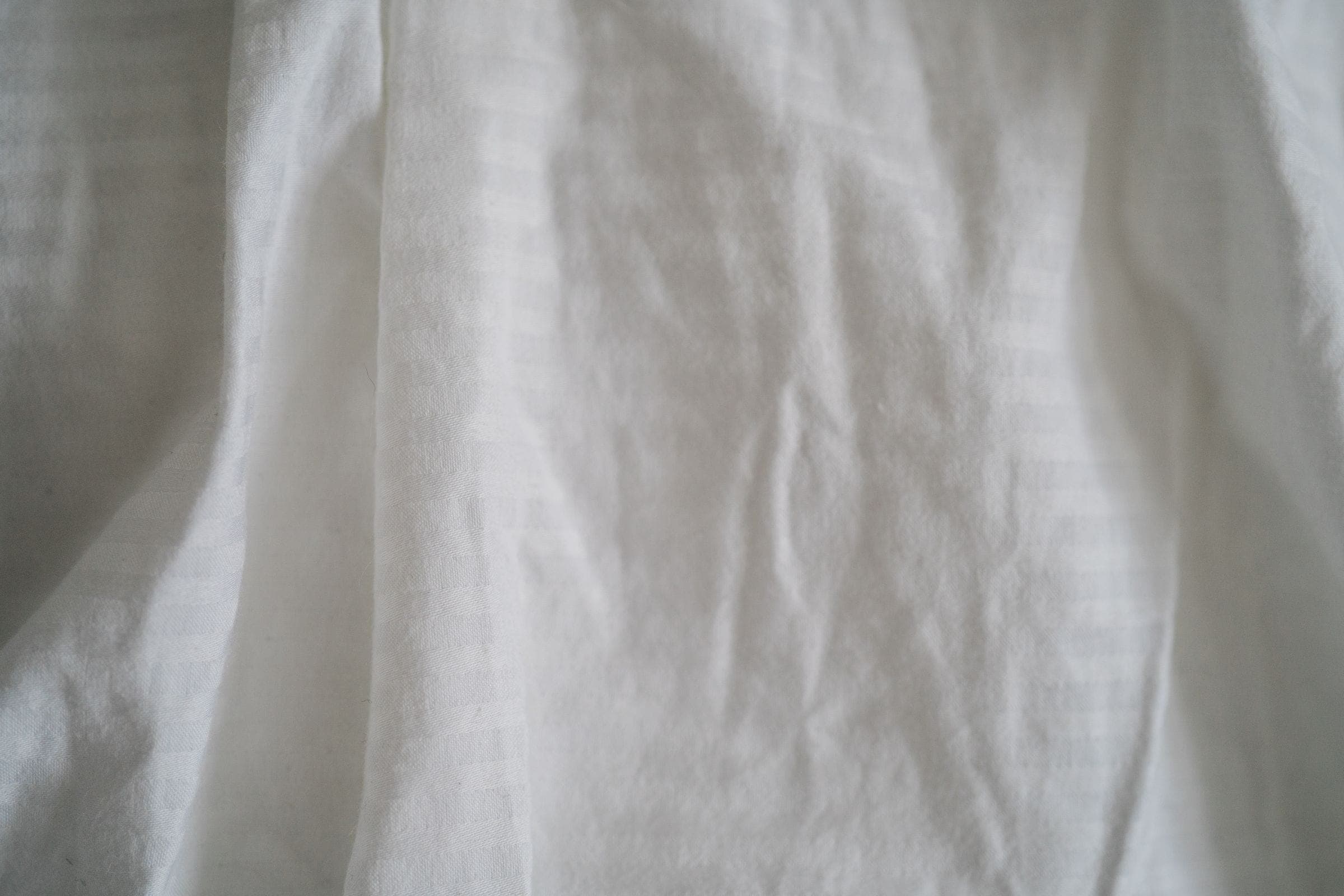
Cambric is a tightly woven plain-weave fabric with a smooth, slightly crisp surface. The cambric in Pakistani collections is usually sold as cotton, sometimes blended; check the label. Compared with lawn it’s denser and a little heavier. Brands sell it as cambric, cotton cambric or embroidered cambric, and it often sits between their summer lawn and their winter lines.
How it feels and when to wear it
Cambric feels smooth and substantial, holds a press well and creases less than linen, while still breathing like a cotton. Sources don’t agree on its season: some brands file it under summer and mid-season, others under spring and autumn, and some under early winter. In practice it’s comfortable in Pakistan’s milder months and in air-conditioned offices, while lawn stays cooler in real heat.
What to stitch from cambric
Cambric rewards clean lines. A straight kameez or gently A-line kameez, a band collar with a button placket and a sharp V-neck all hold their shape well, and fuller sleeves keep their volume where lawn would collapse. It has enough body for straight trousers that won’t strain at the knee. Heavy gathers add bulk, so if you love a flared shape, a panelled cut usually looks smoother than a gathered one.
Lining and finishing
Most mid and dark cambric needs no lining, and pale cambric is usually more opaque than lawn of the same shade. Still, hold white and pastel pieces up to a window: if you can see your hand clearly, a light lining or half lining helps. Cambric takes a sharp press, so collars, cuffs, plackets and hems look crisp, and the corners of V and square necklines stay neat.
Pre-washing, shrinkage and care
Like most cotton, cambric can shrink a little in its first wash, so pre-wash or soak the plain pieces before cutting and leave embroidered panels as they are. Deep reds, navy and black are worth a colour-fastness test first, and our pre-washing guide covers the rest. After stitching, follow the label.
- Wash: cool and gentle, inside out, with a mild detergent and no bleach.
- Dry: in the shade.
- Iron: on medium while slightly damp, with embroidery pressed from the reverse. Our ironing guide has more.
Ordering: Fabric + Stitching or Stitching Only
For Stitching Only, send photos of each cambric piece and the label first. We confirm the fabric is suitable and how much your design needs before you send anything. For Fabric + Stitching, tell us the colour and the feel you want; we propose fabric and agree it with you before cutting, and there are no free samples. Either way, start on the stitching quote form.
Common questions
Is cambric thicker than lawn?
Yes. Cambric is usually a little thicker and denser than lawn, so it’s less see-through and has more body, while still being a breathable cotton.
Is cambric a summer or winter fabric?
Brands disagree. Some sell it for summer and mid-season, others for spring and autumn or early winter. It’s most comfortable in milder weather; on Pakistan’s hottest days, lawn is cooler.
Last reviewed 30 September 2026.