
Fabrics and care · 8 October 2026 · 4 min read
Hair oil marks on necklines and dupattas: what works
How to remove hair oil stains from clothes: why oil builds up at the back neck of a kameez and on dupattas, and how to pre-treat it before every wash so it clears.
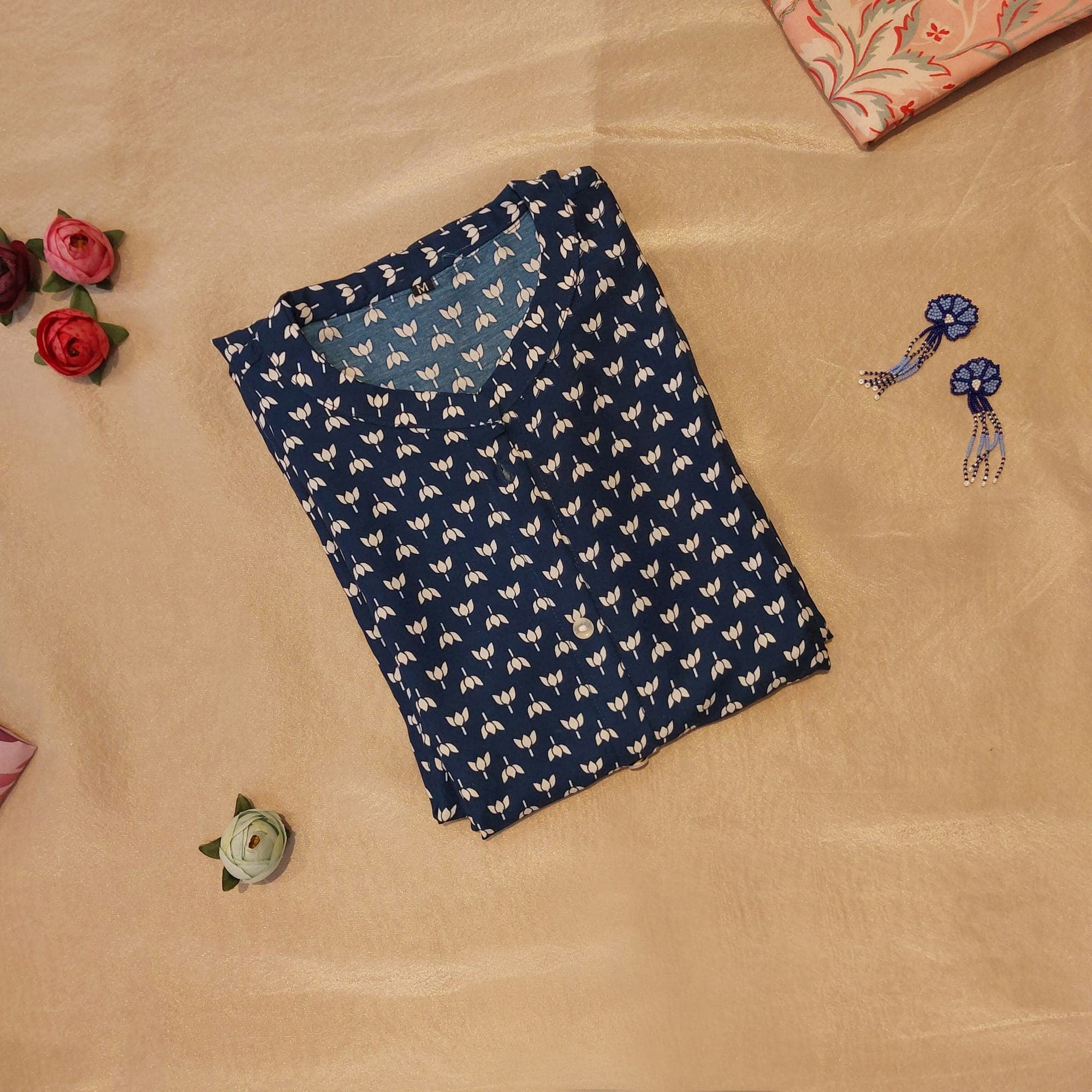 Inspiration
Pre-treat before every wash
Hair oil marks come out best when they are treated before every wash, not when they become visible. Rub a drop of washing-up liquid or liquid detergent into the back neckline and the dupatta edge, leave it for ten minutes or so, then wash at the warmest temperature the care label allows. Oil that has built up for months needs several rounds, and on white fabric may have yellowed.
This is different from a sudden cooking oil spill, which our stain guide for lawn and cotton covers. Hair oil arrives a little at a time, and the fix is a habit rather than a single treatment.
Why the back of the neck goes dark
Oiled hair rests on the same narrow band of fabric every time you wear a kameez, and a dupatta draped over the head picks up oil along its edge and centre. A little oil transfers each time, and a normal cool wash does not fully remove it, especially from cotton. Over several wears it shows as a darker band on coloured fabric, a translucent patch on chiffon or a yellow line on white.
The oil also attracts dirt, and as it ages it oxidises, which is why an old mark looks yellow or brown rather than simply dark and greasy. Coconut oil goes solid in cool water, so a cold wash barely touches it.
A routine for the neckline and dupatta
Check the care label first, and test any product on an inside seam.
- Before washing: lay the back neckline flat and rub a small drop of washing-up liquid into the band with your fingertip. Washing-up liquid is made to break up grease, which is exactly what this is.
- Wait: ten to fifteen minutes lets it work into the oil. Do not let it dry on the fabric.
- Wash warm, if allowed: lukewarm water dissolves hair oils far better than cold. Use the warmest temperature the label permits.
- Check before drying: if the band is still visible, repeat. Heat from the sun or a dryer sets oil.
- For an old yellowed band on white cotton, soak in warm water with an oxygen-based stain remover, as the pack directs, and repeat over several washes.
Chiffon, silk and embroidered necklines
On a chiffon or georgette dupatta, use a very small amount of mild detergent and dab rather than rub, then wash by hand in lukewarm water. Our dupatta storage and care article explains how to keep fine dupattas in shape. Silk and embroidered necklines are better left to a dry cleaner, who should be told the mark is hair oil; home treatment can leave water rings or loosen thread colours.
Keeping oil off your clothes
Small changes on oiling days save a lot of scrubbing. Oil your hair in the evening and sleep in an old T-shirt or with a cotton scarf over your hair. Tie long hair up so the ends do not sit on your collar, and keep a good dupatta for days when your hair is freshly washed.
Necklines matter too. A higher back neck or a band collar sits right where oiled hair falls, while a slightly lower back neckline touches it less. Our neckline guide shows the options, and you can ask for a particular back neck through custom stitching. Mention it when you request a quote, and we confirm what is possible on your fabric and design.
Common questions
Does talc or cornflour help with oil marks?
On a fresh, wet patch of oil, a sprinkle of talc or cornflour left for a while can absorb some of it before washing. It does little for old build-up, which needs a degreasing detergent.
Why has the back of my white kameez turned yellow?
Body and hair oils left in the fabric oxidise over time and turn yellow. Regular pre-treating stops it; an existing yellow band needs warm soaks with an oxygen-based stain remover.
Can I use washing-up liquid on coloured lawn?
Usually yes, in a small amount, but test it on an inside seam first and rinse it out well. Avoid strongly coloured or concentrated dishwasher products, which are a different thing.
