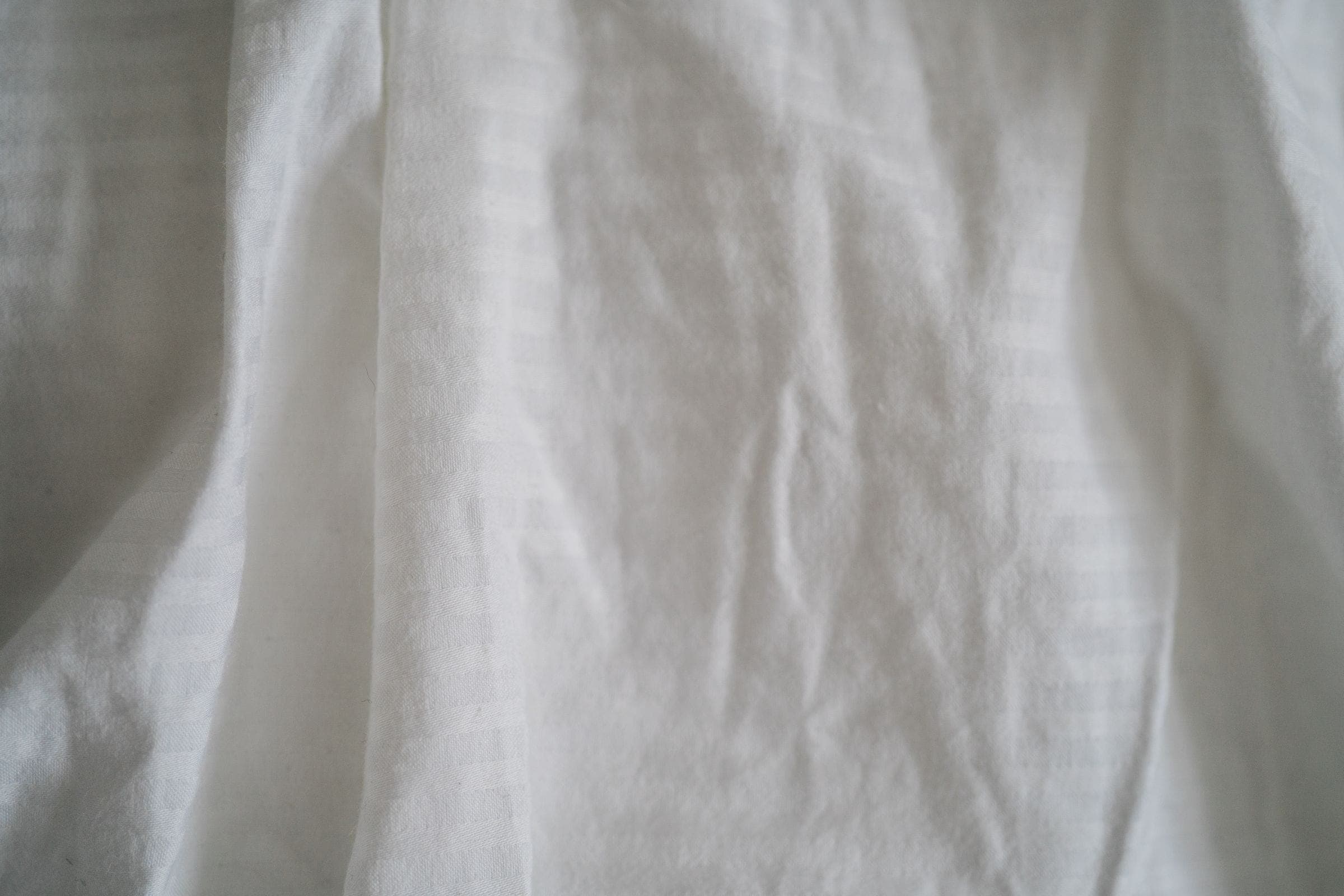
Fabrics and care · 8 October 2026 · 3 min read
How to tell real silk from polyester
How to tell real silk from polyester before sending fabric for stitching: safe checks by label, sheen, feel, sound and creasing, and what each one cannot tell you.
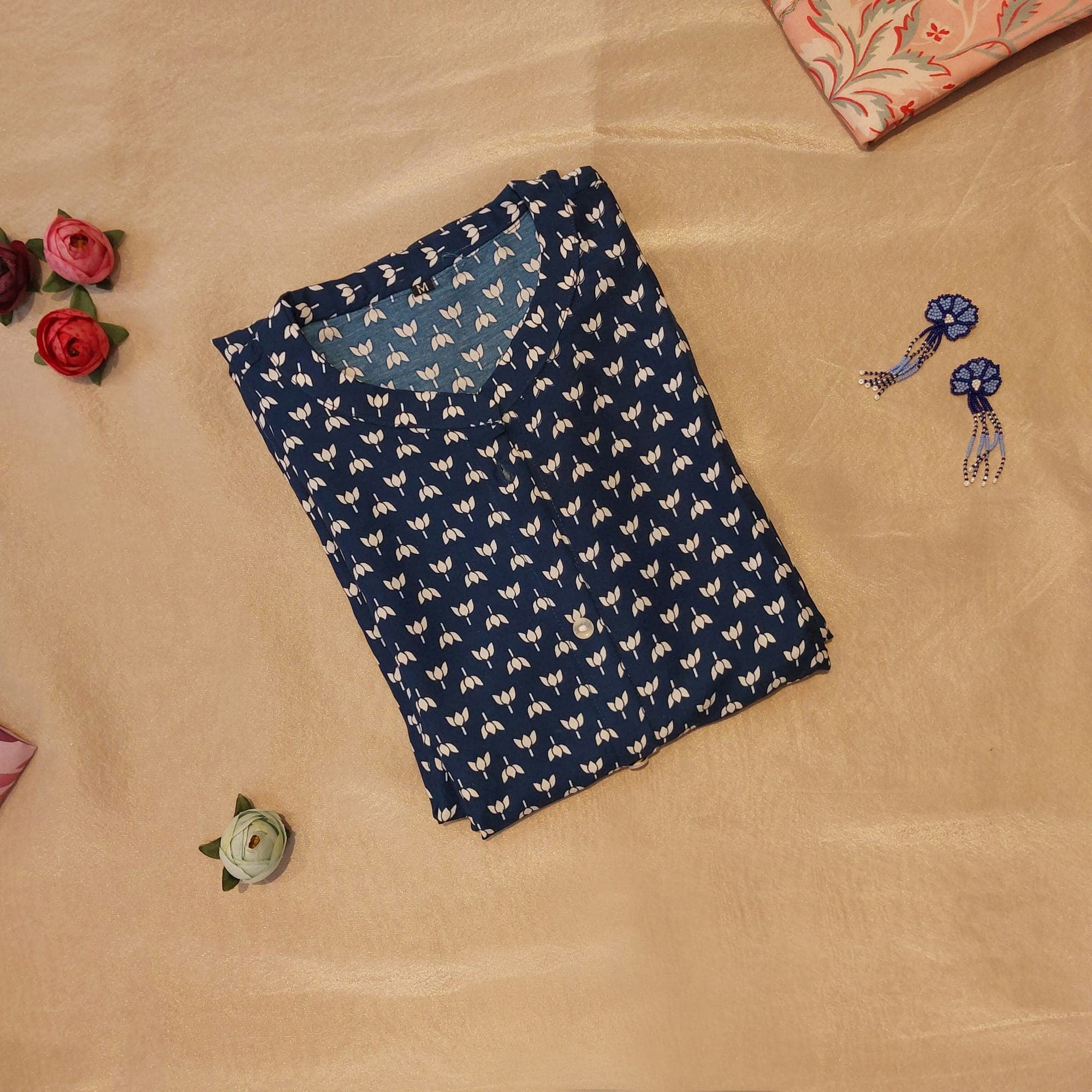 Inspiration
Start with the label, then look and feel
Read the label first; then use your eyes and hands. Real silk usually has a soft lustre that shifts with the light, warms quickly in the hand and creases into soft wrinkles. Polyester tends to shine more evenly, stays slick and springs back from a squeeze. No single check is proof, because good polyester is made to imitate silk, so use several together and treat the result as a strong hint.
Why it matters before stitching
The fibre changes how a fabric is handled. Silk can slip under the needle, fray at cut edges, mark where pins go in and spot with water, and some silks shrink when washed. Polyester can melt or glaze under a hot iron. Knowing which one you have helps decide the seam finish, the pressing, the lining and the care advice that goes with the finished outfit.
If you are sending your fabric to us for Stitching Only, you do not need to be certain. Tell us what you know and we confirm the fabric is suitable before you post anything.
Five checks, and what each cannot tell you
- Label and wording: “silk” or “100% silk” names the fibre. “Silky”, “silk touch” and “art silk” do not; art silk means artificial silk, usually viscose or polyester. Limit: labels on cut lengths can be missing or wrong.
- Lustre: silk fibres scatter light into a soft, pearly sheen that seems to shift colour slightly as you tilt the cloth. Polyester often has a flatter or a brighter, uniform shine. Limit: raw silk and silk crepe are fairly matt, and some polyesters are made dull on purpose.
- Feel and warmth: rub a corner between finger and thumb. Silk feels soft, slightly dry and quickly takes on your warmth; polyester feels slicker and can stay cool. Limit: this is subjective and takes practice.
- Sound: some silks, crisp ones especially, give a faint dry rustle when scrunched, a quality traditionally called scroop. Limit: many silks are silent, and polyester taffeta rustles too.
- Crease: crush a hidden corner for a few seconds. Silk keeps soft wrinkles; polyester recovers almost flat. Limit: finishes and blends blur the result.
What does not settle it
Pulling the cloth through a ring proves nothing, since fine polyester slides through just as easily. Price alone is only a hint. The burn test, where a thread is set alight to see whether it smells of burnt hair or melts into a bead, is the one decisive home method, but it needs a flame and a sacrificed thread, and it is not worth the risk to a piece you plan to wear. For a second opinion on chiffon in particular, see our comparison of pure and polyester chiffon.
What to send with your enquiry
A few clear photos tell us more than a guess at the fibre. Our guide to describing unlabelled fabric explains how to take them, and judging fabric quality covers what else to look for.
- A photo of the label or the seller’s description, if you have either.
- A close-up of the cloth in daylight, plus one with light shining through it.
- A short note on how it felt and behaved in the checks above.
- What you want made, so suitability can be judged against the design. You can start a stitching quote here.
Common questions
Does real silk feel cold or warm?
Cool at the very first touch, then it warms to your skin within moments. Polyester often stays slightly cool and slippery for longer.
Is art silk real silk?
No. Art silk is short for artificial silk, a name for man-made fibres such as viscose or polyester made to look like silk.
Do I need to know the fibre before asking for stitching?
It helps but is not essential. Send clear photos and whatever the seller told you, and we confirm whether the fabric is suitable and how it will be handled before you post anything.