
Unstitched suits · 4 October 2026 · 4 min read
Unlabelled fabric? How to describe it for a quote
No label on your fabric? How to describe its weight, feel, sheerness and stretch, the simple checks to do at home, and what to send for a stitching quote.
 Inspiration
You do not need to know its name
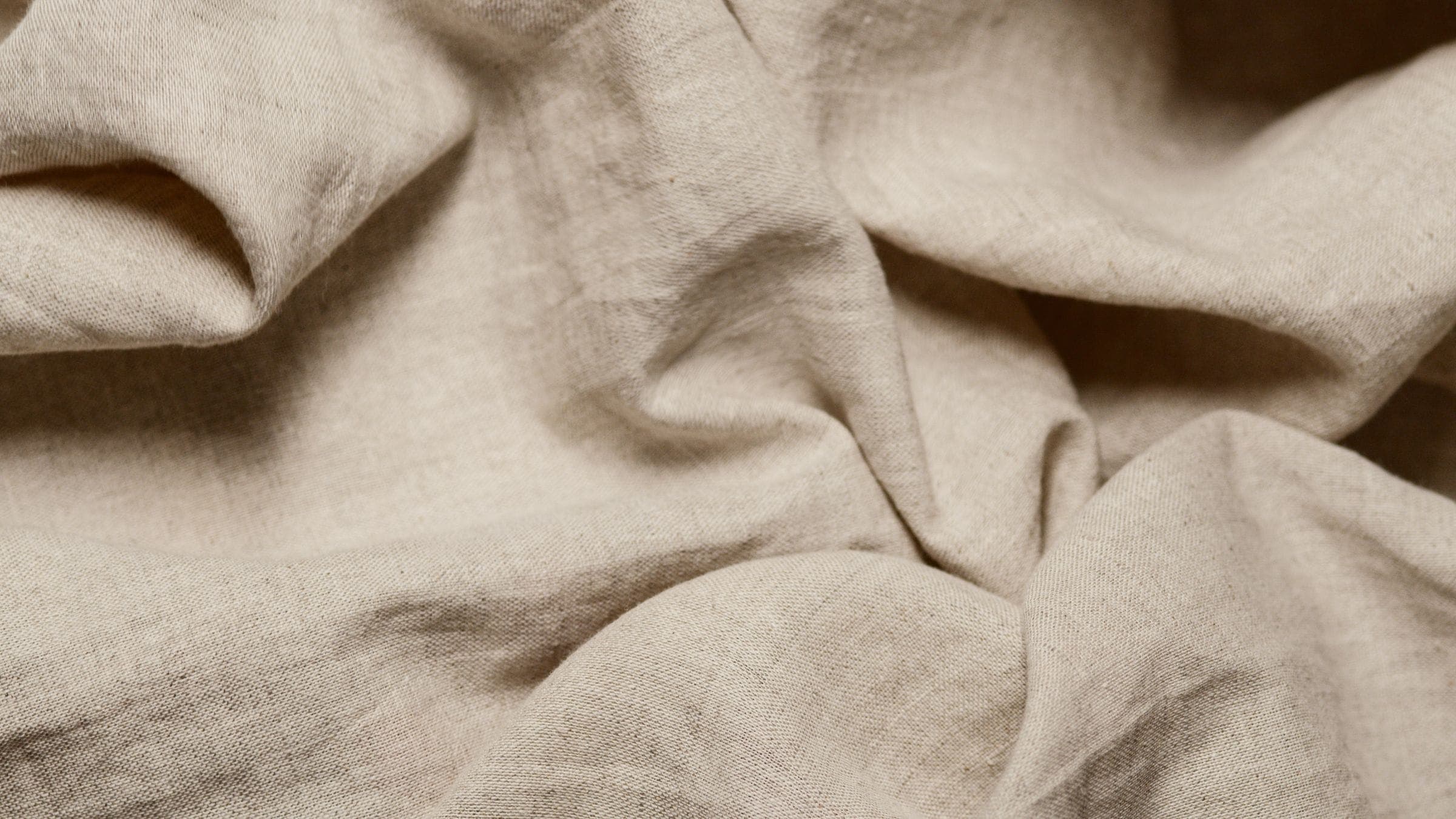
If your fabric has no label, you do not need to identify it exactly before asking for a stitching quote. Describe what you can see and feel: how heavy it is, whether light passes through it, whether it stretches, how it drapes and how the surface looks. With clear photos and those few notes, we can judge whether the fabric suits your design and confirm it before you post anything.
Unlabelled fabric is common. A length bought from a market stall, a gift from a relative, a piece found at the back of a cupboard or a suit whose tag went missing years ago all arrive with no name attached.
Five things to notice
These are the qualities that matter for stitching, whatever the fabric is called.
- Weight: does it feel like a fine handkerchief, a cotton shirt or a coat? Light, medium and heavy are useful words.
- Sheerness: hold it up to a window. Can you see your hand clearly through one layer, faintly, or not at all? That decides whether lining is needed; see does my kameez need lining.
- Stretch: pull gently across the width and along the length. Does it give and spring back?
- Drape: hold it from one corner. Does it fall in soft folds, like chiffon or viscose, or stand away from the body, like organza or a crisp cambric?
- Surface: is it smooth, slubby, ribbed, napped like velvet, or woven with a pattern like jacquard?
Simple checks at home
A few gentle tests add useful information. Crumple a corner in your hand for a few seconds and let go: cotton and linen tend to crease readily, while many synthetics spring back. Look at a cut edge to see whether it frays easily, which affects how seams are finished. Notice whether it feels cool or slightly warm against your wrist. None of these is conclusive on its own, but together they paint a clear picture.
Avoid harsh tests on fabric you care about. If you are worried about the colour running, a colour-fastness test on a hidden corner is safer and more useful.
Clues from where it came from
Context helps too. A three-piece set bought in summer from a Pakistani suit shop is very likely lawn or cambric; a heavier set bought for winter may be khaddar, karandi or marina. Our fabric pages on khaddar, cambric and marina describe how each one looks and feels, which can help you put a name to it. Tell us the season and the kind of shop if you know them.
Photos that show what words cannot
Take these near a window rather than under room lights.
- The whole piece laid flat in daylight, to show colour and pattern.
- A close-up of the surface, near enough to see the weave.
- The fabric held up to the window, to show how sheer it is.
- A corner draped over your hand, to show how it falls.
- Any flaw, mark or border, with a tape measure beside it for scale.
Sending it for a quote
Upload the photos and your notes on the Stitching Only quote form, with the length and width, your measurements and the design you want. If we think the fabric suits a different design better, we say so. Everything is confirmed in writing before you post the fabric to us in Pakistan.
The choosing fabric page explains how suitability is judged, and the unstitched suit stitching page covers the full Stitching Only route. Country pages such as Stitching Only in the UK and in Bahrain add local notes on currency and sending.
Common questions
Will you stitch fabric if neither of us knows exactly what it is?
Often, yes. What matters is how it behaves: its weight, drape, sheerness and stretch. We judge suitability from your photos and notes and confirm it before you post anything.
Does the fibre affect how my finished outfit should be washed?
Yes. Natural fibres and synthetics can need different care. If the fabric is unknown, wash the finished outfit gently in cool water until you know how it behaves.
Should I do a burn test to identify my fabric?
We do not recommend it. It damages the fabric and carries a fire risk. Describing the weight, feel and drape, with good photos, is enough for a quote.
