
Fabrics and care · 8 October 2026 · 3 min read
What is ombre fabric? Shaded colour explained
What is ombre fabric? Colour that shades from light to dark or from one hue to another. Dip-dyed versus printed shading, and how the shade direction limits cutting.
 Inspiration
Colour that shades as it goes
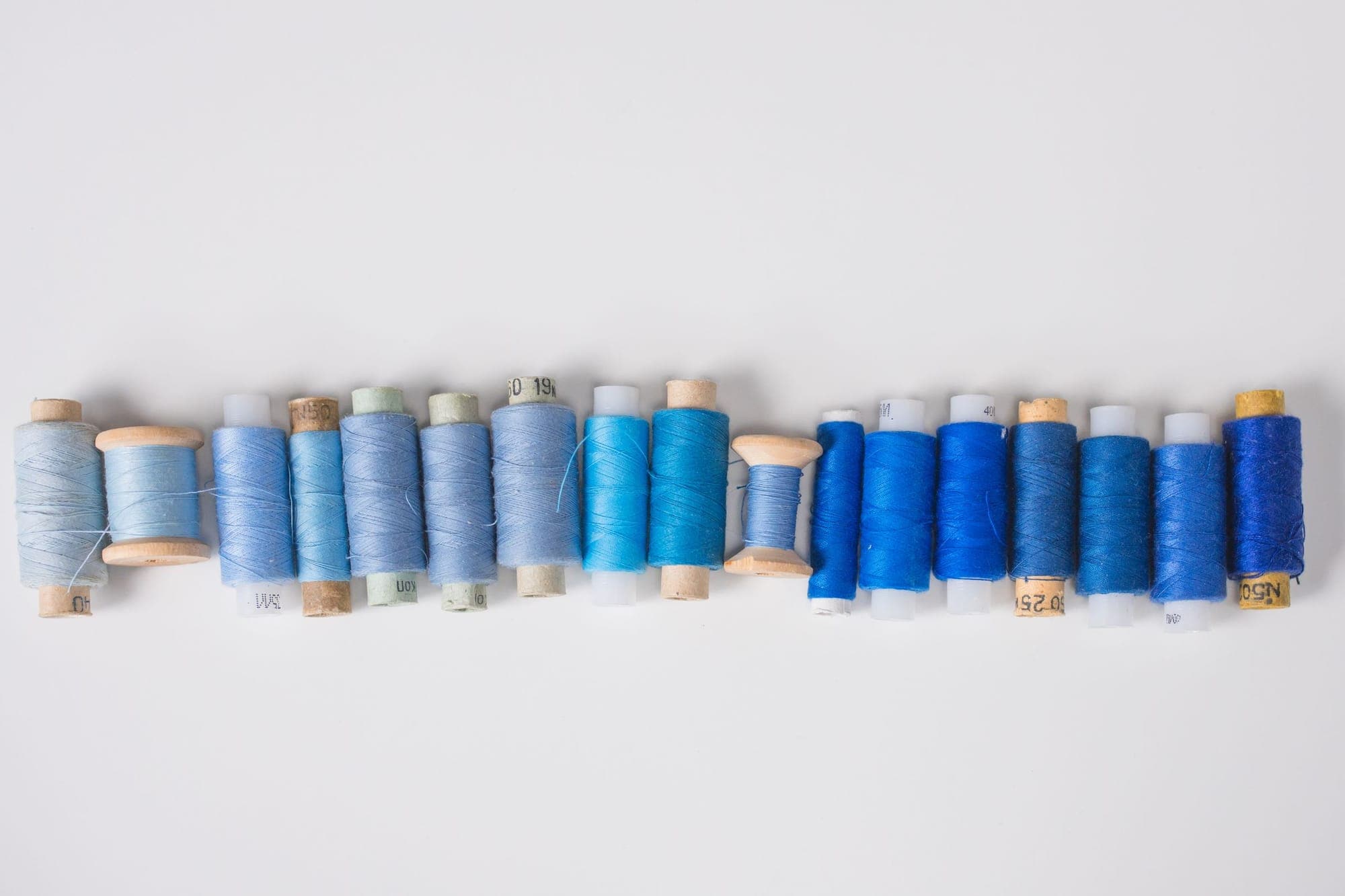
Ombre fabric changes colour gradually across its length or width, from pale to deep in a single colour, or from one colour melting into another. The word comes from the French for shaded. In Pakistani wear you meet it most often as a shaded dupatta, but whole kameez lengths, saris and co-ord fabrics come in ombre too.
Unlike a pattern, a gradient has a direction and a beginning and an end. That one fact shapes everything about cutting and wearing it.
Dip-dyed, printed or woven
There are three common ways to make shaded cloth, and they look and behave differently.
- Dip-dyed: the cloth is lowered into a dye bath in stages, or held at different depths for different times, so colour soaks in deepest at one end. The blend is soft and slightly irregular, both faces are coloured, and no two pieces are quite alike. Hand-dyed shading can release some colour at first, so a colour-fastness test is worthwhile.
- Printed: a digital or screen print reproduces the gradient. It can be perfectly smooth and repeatable and can combine shading with a pattern, but the back is often paler. Our guide to print methods explains why.
- Woven: occasionally the shading is built from yarns in graded colours, as in some shaded stripes, so the colour runs right through the thread.
Why the shade direction limits cutting
Every pattern piece has to respect the gradient. If the shade runs along the length, a kameez front and back must come from the same zone so they meet evenly at the side seams, and sleeves need to pick up the shade at a matching point. If it runs across the width, the deepest colour sits along one edge, which suits a hem but leaves little choice about where it goes. In practice that means:
- Deciding where the deep colour lands: dark at the hem grounds an outfit, while dark at the shoulders draws the eye up. Choose before cutting.
- Matching pieces: front, back and sleeves need cloth from matching parts of the gradient, which can use more fabric than a plain suit.
- Keeping the cut simple: a straight kameez shows the gradient most smoothly, while panels and gathers break it into bands.
- Living with the length: if the gradient spans the full kameez, shortening it later trims part of the shading away.
- Checking quantity first: see checking you have enough fabric before you post anything.
Shaded dupattas and what to pair them with
A shaded dupatta usually runs end to end, or from one long edge to the other. Take the plain kameez or trouser colour from one end of the gradient for a tonal outfit, or from the middle for a softer match. Our guide to matching dupatta and trouser colours has more ideas. Colour names and screens vary, so share a daylight photo when you ask for a match. Shading also pairs well with texture: a tie-dyed chunri dupatta is the dotted cousin of ombre and is sometimes dyed in shaded bands too.
Ordering with ombre fabric
For Stitching Only, photograph the whole length laid flat in daylight so the gradient shows, and say where you want the deepest colour; we confirm that the layout works and that there is enough fabric before you post it. If you want a shaded outfit made from fabric we supply, describe it on the quote form and we confirm what is possible in writing.
Common questions
What is the difference between ombre and tie-dye?
Ombre is a smooth gradient from one shade to another. Tie-dye, such as chunri, makes a pattern of dots or shapes by binding parts of the cloth before it is dyed.
Can an ombre kameez be shortened later?
It can, but shortening removes part of the gradient at the hem, so the balance of colour changes. That is why the length is worth deciding carefully before cutting.
Does dip-dyed fabric fade unevenly?
Hand-dyed shading usually softens fairly evenly over many washes. Washing cool, inside out, and drying in the shade keeps it looking as intended.
