Styles and design · 8 October 2026 · 4 min read
Beige, fawn, camel or skin: which neutral is which?
Fawn vs beige, camel vs tan and the shop term skin, placed on one scale from pale to deep and pink to yellow, so you can name the exact neutral you mean in a brief.
 Inspiration
Quick answer: fawn is greyer and deeper than beige
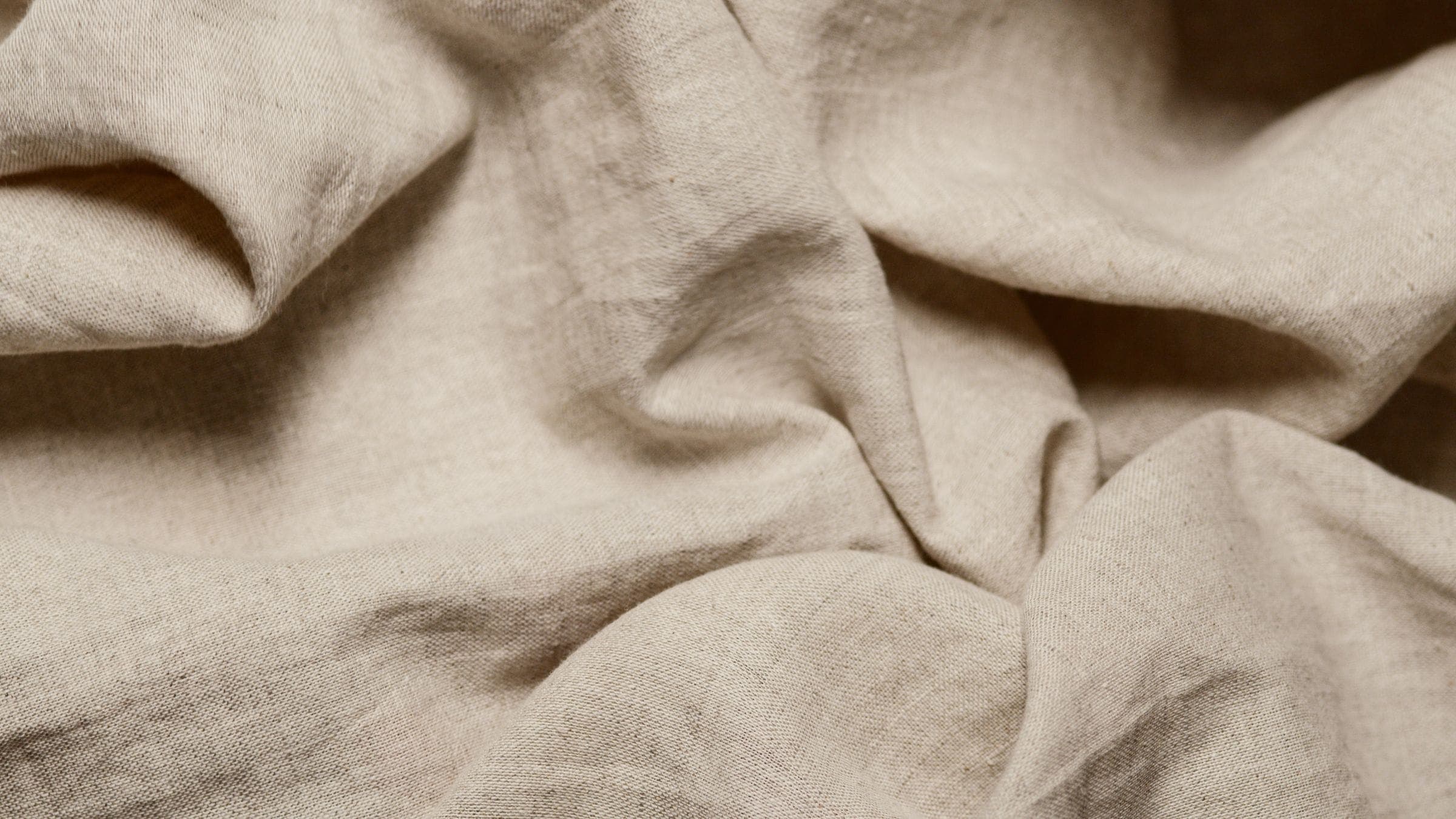
Beige is a pale, sandy neutral with a soft yellow lean. Fawn is a shade or two deeper and greyer, with a hint of pink or mauve, like the coat of a young deer. Camel is deeper again and clearly golden, and tan is a warm light brown beyond camel. Skin, a common shop name in Pakistan, usually means a pale peachy or pinkish beige close to a nude.
Those are the usual meanings, but sellers use the names loosely and screens change them further. The scale below helps you say which one you mean, and a photo settles it.
One scale for the warm neutrals
It helps to place these colours on two lines at once: how light or deep they are, and whether they lean pink or yellow. Reading from palest to deepest:
- Skin: very light, leaning pink or peach. Often chosen for net or chiffon dupattas and linings because it disappears against many complexions. Some sellers call the same colour nude or blush beige.
- Beige: light, leaning yellow or sand. The everyday neutral of lawn and cotton suits.
- Fawn: light to mid, greyed, leaning slightly pink or mauve. It looks quieter than beige and can read almost taupe under cool light.
- Camel: mid depth, leaning golden yellow. Familiar from wool coats and winter shawls; it looks rich in karandi and khaddar.
- Tan: mid to deep, leaning orange-brown. Closer to leather than to sand, and it sits on the edge of brown.
Where the names overlap
The trouble comes at the edges. A greyish beige may be sold as fawn by one shop and stone by another. A pale camel can look like a deep beige in a dim room. Skin is used for anything from a pinkish ivory to a light peach. Mushroom, biscuit, sand, oatmeal and taupe all live in the same family and are used just as freely.
Light changes these colours more than bright ones, because there is so little colour in them. Warm indoor bulbs push everything towards yellow, so fawn looks like beige; cool daylight greys them, so beige can look like fawn. Check any neutral by a window during the day, and compare it with something white so your eye has a reference.
Naming the neutral you want in a brief
Because the words are unreliable, describe the colour on both lines of the scale. For example: “a light beige with a yellow, sandy lean, not pink” or “a mid camel, golden, deeper than beige but lighter than tan”. Better still, send a photo of something you own in that colour, taken in daylight beside a white sheet of paper. Our guide to photographing fabric for a quote shows how.
If you are matching a plain trouser or dupatta to a printed piece, the article on buying a plain fabric to match a printed piece explains how close you can expect to get. Whites and creams are a separate question with their own pitfalls.
When you ask for a quote, the fabric colour is agreed in writing before cutting, and a small difference in shade from the photo is normal. Our Fabric + Stitching page explains how the fabric is chosen.
Common questions
Is fawn the same as taupe?
They are close relatives. Both are greyed neutrals, but taupe is usually darker and browner, while fawn is lighter with a slight pink or mauve tone.
What does skin colour mean in a Pakistani fabric shop?
It usually means a pale peachy or pinkish beige, close to what Western shops call nude. Because the exact shade varies a lot between shops, ask for a daylight photo before you buy.
Which is warmer, camel or beige?
Camel is warmer and deeper, with a clear golden tone. Beige is lighter and softer, and can lean slightly yellow or slightly grey depending on the seller.