
Styles and design · 4 October 2026 · 5 min read
Design your own shalwar kameez online, step by step
How to design your own shalwar kameez online: the choices to make in order, from pieces and cut to neckline, sleeves, trousers and fabric, then a quote to approve.
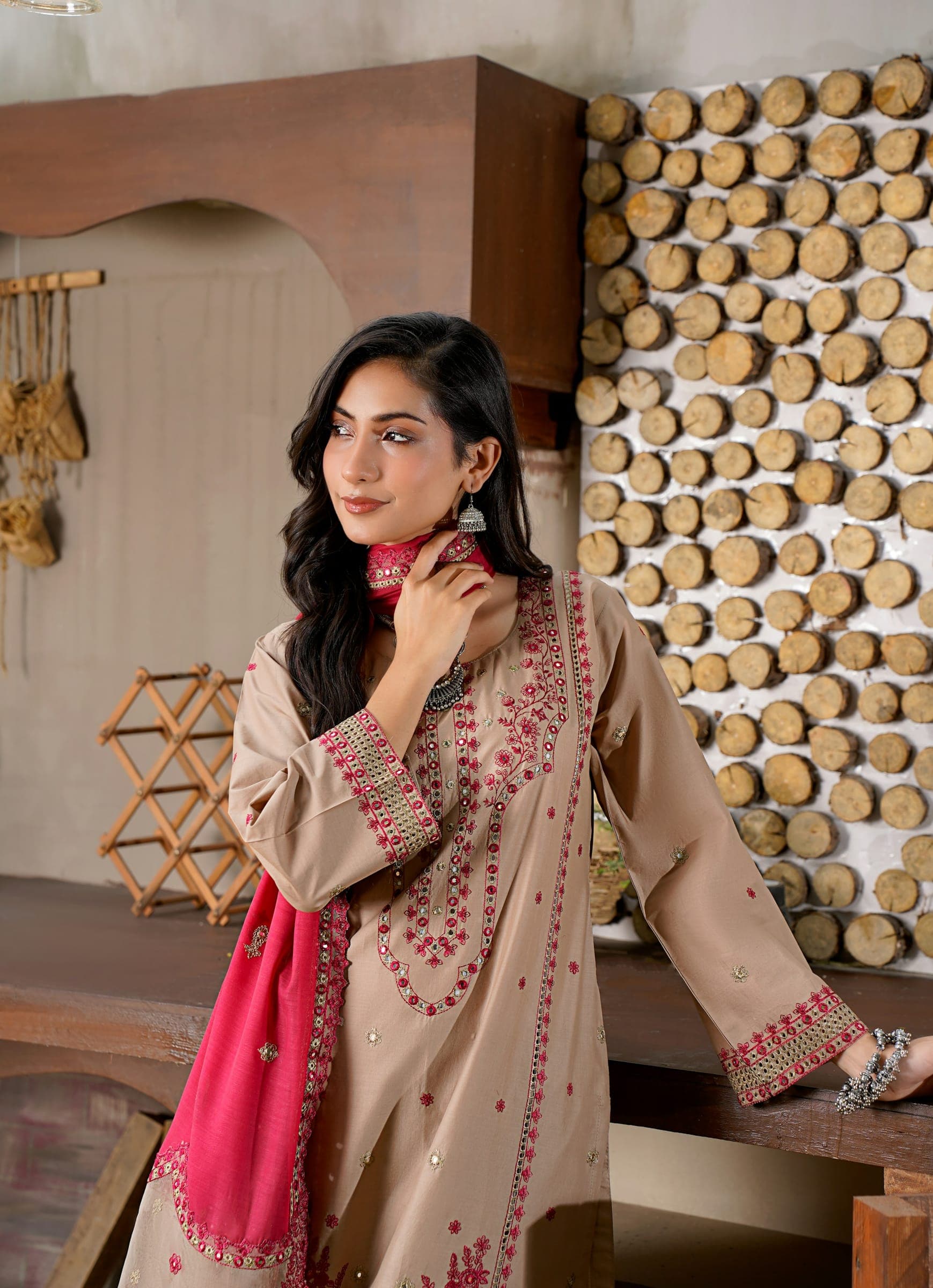 Inspiration
How to design your own shalwar kameez online
You can design your own shalwar kameez online by making a handful of decisions in a sensible order, writing them down with any pictures that help, and agreeing the finished design in writing before a single piece of fabric is cut. You do not need to draw, know the technical names or have a perfect reference photo. You need to know how you want to feel in the outfit, where you will wear it, and which details matter most to you.
With our Send Your Design service, that brief becomes an outfit cut to your measurements in Pakistan and shipped to you, wherever you live. This guide walks through the choices in the order that makes each one easier.
Step 1: decide the pieces and the purpose
Start with the occasion, because it settles half the other questions. A kurta for the office needs to survive a long day at a desk; an outfit for Eid can carry more colour and finish; a weekend suit wants easy trousers and a fabric that forgives creases.
Then choose the pieces. A three-piece suit is kameez, trousers and dupatta. A two-piece leaves out the dupatta. A single kurta or kameez is a perfectly normal order on its own, and you can add a waistcoat or jacket if the look calls for one. Write the purpose next to your choice, for example “three-piece for family dinners, needs to be comfortable sitting on the floor”.
Step 2: choose the cut
The cut is the outline of the kameez, and it shapes everything you add later. The main families are:
- Straight: a clean column that suits everyday wear and work. See our straight kameez guide.
- A-line: narrow at the top and gently wider at the hem, which is easy to move in and kind to most figures. More in the A-line kameez guide.
- Kalidar or flared: many panels that open into a full hem, for a dressier, swirling look. The kalidar frock page explains how much fabric it takes.
- Angrakha: an overlapping, wrap-style front, usually tied at the side. See the angrakha guide.
Step 3: neckline, sleeves and length
These three details do most of the work in a design, so it pays to choose them together rather than one at a time. A deep or wide neckline often looks balanced with a longer sleeve; a high band collar can carry a short or sleeveless arm. Browse the necklines library and the sleeves library and save the ones you like.
For length, the quote form offers hip, mid-thigh, knee, calf and floor. A photo is a poor guide here, because a knee-length kameez on a tall model can fall to mid-calf on someone shorter, so give the length you want in centimetres or inches. Our guide to kameez length for your height helps you choose, and the side slits page covers how high the slits should go.
Step 4: trousers and dupatta
Choose trousers for comfort first and style second. A classic shalwar is roomy and cool; straight trousers and cigarette pants look sharper with a shorter kameez; wide-leg trousers, sharara and gharara add movement for occasions. The trouser styles library compares them side by side.
If you are having a dupatta, decide how it is finished: a plain rolled edge, a lace border or a contrast trim. Our dupatta finishing ideas show what each one does to the look.
Step 5: fabric, colour and finish
You have two routes. With Fabric + Stitching we propose fabric to suit your design and share photos and descriptions of it in your quote. With Stitching Only you send your own fabric, after we have confirmed it suits the design and that there is enough of it. Either way, match the fabric to the cut: a flared kalidar needs something that drapes, a crisp straight kurta wants a fabric with a little body.
Then decide on lining (our guide on whether a kameez needs lining helps) and the level of embellishment: none, delicate work at the neckline or sleeves, detailed work on the neckline, sleeves and hem, or a bolder statement finish for Eid and parties. Ask for it in your quote, and we confirm what is possible on your fabric and design.
Sending your design
When your choices are written down, open the custom quote form, upload any pictures, add your notes and enter your measurements in centimetres or inches (the size guide shows how). If you are unsure about a detail, choose “advise me” and we suggest something in your quote.
Your written quote shows the agreed design, fabric, measurements and total cost, including delivery and any import duties, taxes and fees, so there is nothing to pay when the parcel arrives. You pay in full once you approve it, and we make the outfit in 5 to 7 working days before shipping it. Ordering from Britain? The UK custom design page explains how it works from there.
Common questions
Can I design my own shalwar kameez if I cannot draw?
Yes. A clear written description and one or two reference photos are enough. Choose the pieces, cut, neckline, sleeves, length and trousers, and say what matters most to you. We confirm every detail with you in writing before cutting.
Do I need to order a full three-piece suit?
No. A single kurta or kameez is a normal order, and so is a two-piece without a dupatta. Choose the pieces you actually want.
What if I am not sure which neckline or sleeve to choose?
Choose advise me on the quote form and tell us how you will wear the outfit. We suggest an option in your quote, and nothing is cut until you have agreed it.
