Fabrics and care · 8 October 2026 · 3 min read
Is raw silk real silk?
Is raw silk real silk? In its proper sense yes, but much fabric sold as raw silk for suits is a blend or polyester. What the name means and how to check.
 Inspiration
Yes in the dictionary, not always on the shelf
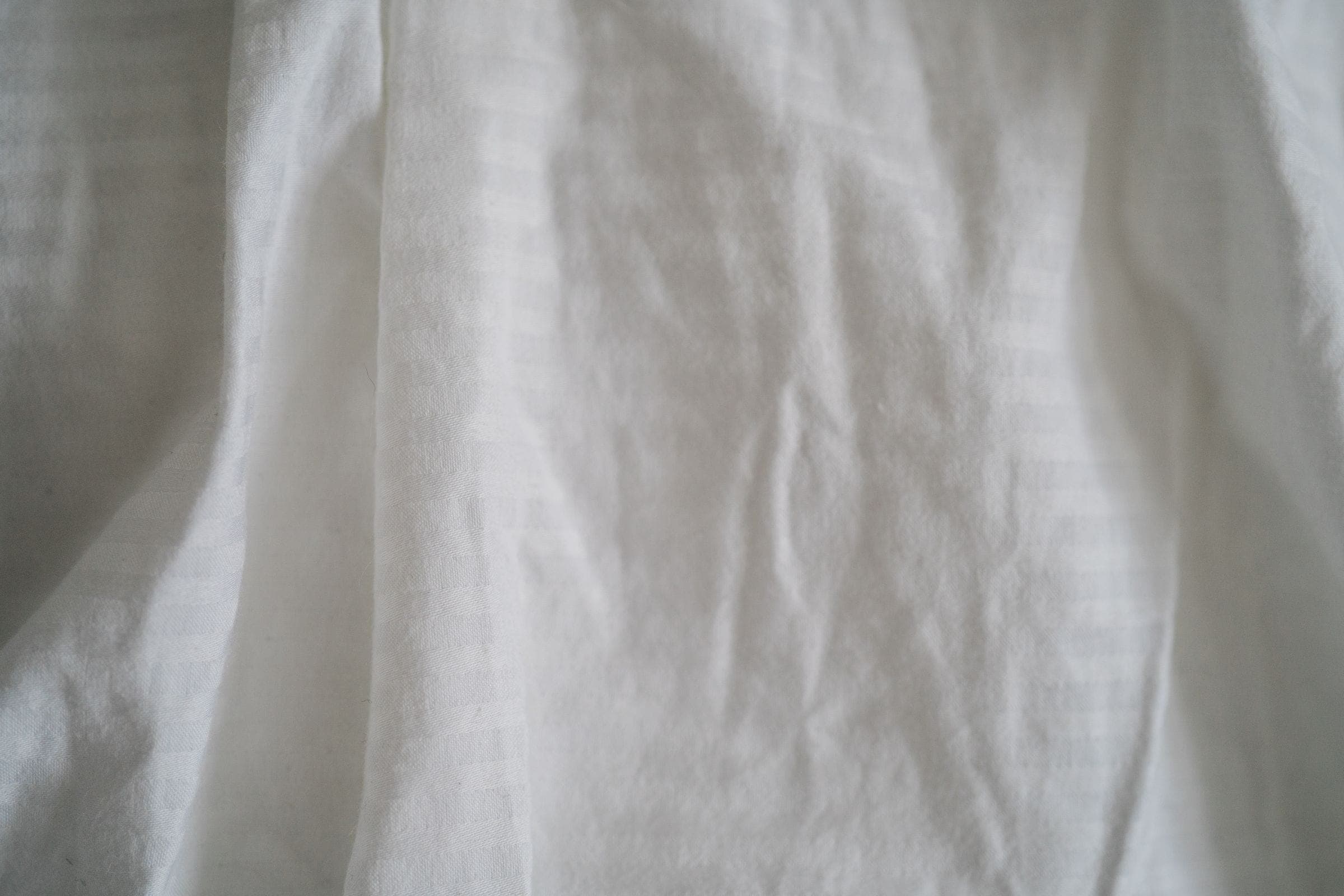
In its proper sense, raw silk is real silk: silk that has not had its natural gum washed out. But in South Asian fabric shops the words raw silk describe a look, a crisp cloth with a slubbed, softly matt surface, and a great deal of fabric sold under that name for suits and trousers is polyester, viscose or a blend. So raw silk can be real silk, and the name alone does not tell you whether yours is.
Three things the name can mean
- In the silk trade: silk filament as it is reeled from the cocoon, still coated in sericin, the gum the silkworm uses to bind it. The gum makes it dull and slightly stiff. Boiling it off is what gives ordinary silk its softness and shine.
- In Western fabric shops: often silk noil, a matt, nubbly cloth spun from the short fibres left over from silk processing. It is real silk, with a feel closer to cotton.
- On Pakistani and Indian suits: a crisp, textured fabric with irregular ridges running across it, in the manner of dupioni silk. This is the meaning most shoppers have in mind, and it covers real silk and imitations alike.
Why so much of it is not silk
Silk is costly to produce and needs careful cleaning. Polyester can be spun with deliberate slubs and woven to give a very similar crisp, textured face for much less, and it washes easily, keeps strong colour and does not mark with water. For trousers that will be sat in and washed often, many people prefer it. The trouble is only that the same two words are used for both, sometimes with the word pure added and sometimes not.
A blend sits in between: silk with viscose or polyester, or cotton with a silk-look yarn. Our cotton silk and raw silk guide covers how these fabrics wear and how they are stitched.
How to check what you have
If the fabric has no label, our guide to describing unlabelled fabric lists what to note down.
- The label: look for a composition with percentages. Raw silk on its own is a style name; 100 per cent silk is a fibre claim.
- The slubs: in real silk they are irregular in size and spacing. In imitations they tend to repeat at even intervals.
- The feel: silk feels dry and warm in the hand and makes a soft crunching rustle when squeezed. Polyester feels smoother, cooler and more slippery.
- The crease: crush a corner. Silk holds a soft crease. Polyester springs back almost flat.
- The cost: real silk costs noticeably more for the same design.
- Ask for it in writing: the surest answer comes from the seller. Ask for the fibre content on the receipt or in a message before you buy; a seller who knows the cloth will tell you, and one who will not is telling you something too.
Does it matter which it is?
It matters for comfort, care and cutting more than for looks. Real silk breathes and feels lighter on the skin, but it is usually dry clean only and can mark with water. Polyester raw silk is warmer to wear and far easier to wash. Whoever stitches it also needs to know, because the two are pressed at different heats and silk shows needle holes where a seam is unpicked.
So when you send raw silk for Stitching Only, tell us what the label says, or that you are not sure, and include a close photo of the surface. We confirm the fabric is suitable and how much the design needs before you post anything. You can send the details here. For the wider family of names, see our map of silk types, and for judging a whole pack before you buy, our guide to fabric quality in an unstitched suit.
Common questions
What is raw silk made of?
True raw silk is made of silk filament that still carries its natural gum. Fabric sold as raw silk for suits may be silk, a silk blend, viscose or polyester, so the composition on the label is what counts.
What is the difference between raw silk and pure silk?
Pure silk is a statement about fibre: the cloth is all silk. Raw silk describes a finish or texture: matt, crisp and slubbed. A fabric can be both, one or, in the case of imitations, only the second.
Is polyester raw silk bad?
No. It is a different fabric with the same look. It is easier to wash, holds colour well and suits trousers and everyday formal wear. It is warmer and less breathable than real silk, so choose according to how you will wear it.