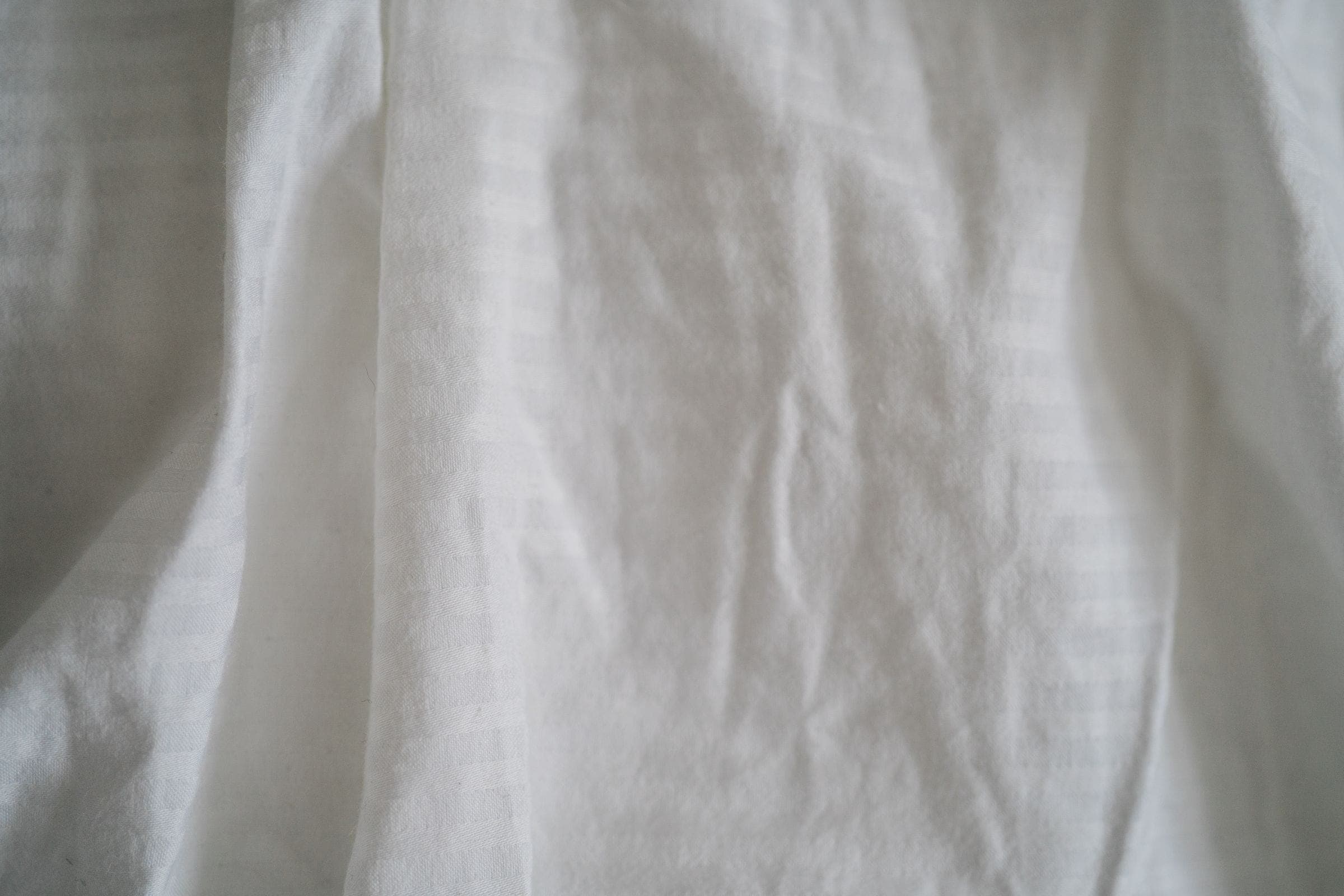
Fabrics and care · 30 September 2026 · 4 min read
Cotton silk and raw silk: the in-between fabrics for Eid and gatherings
What cotton silk and raw silk are, how they differ in sheen, weight and drape, which cuts suit each, and how to stitch and care for them for Eid and gatherings.
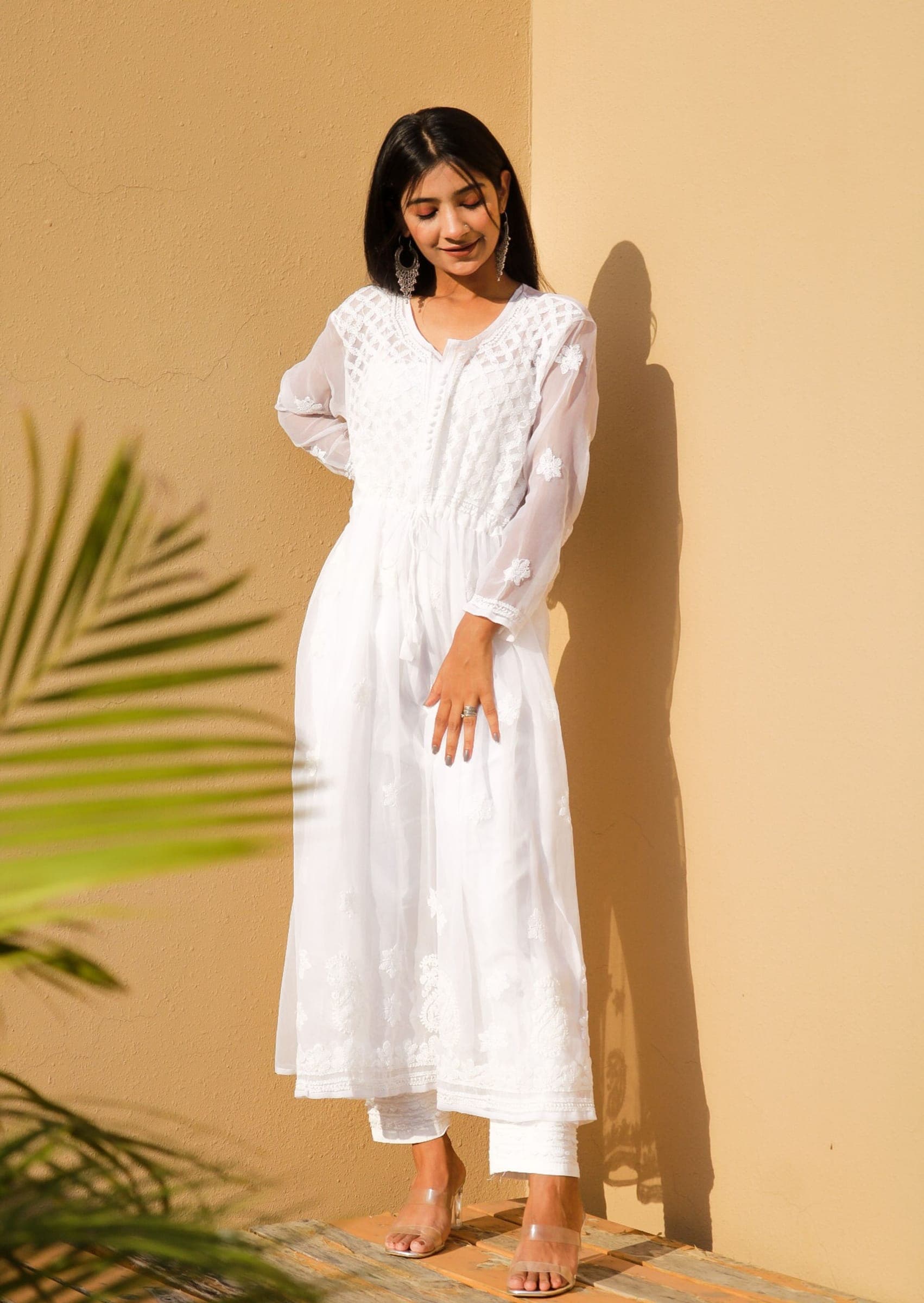 Inspiration
Why the in-between fabrics are useful
Lawn can feel too casual for a dinner or Eid morning, and a full chiffon or organza outfit can feel like too much. Cotton silk and raw silk sit neatly in between: smarter than cotton, calmer than formalwear, and wearable across more of the year. Both appear in festive and winter collections, and both are sold by the metre.
The names are used loosely, so the most useful habit is reading the fibre composition on the label rather than trusting the name alone. Both take embroidery and prints well, so you will often find them with a worked neckline, a printed border or a jacquard dupatta. Our label guide shows where to find it.
Cotton silk
A true cotton silk is a blend of the two fibres: the cotton brings breathability and softness, the silk a gentle sheen and a fluid drape. Some fabrics sold as cotton silk are cotton blended with viscose or polyester to give a similar look, so check the label if the fibre matters to you.
- Feel: smooth and light to mid weight, with a soft lustre rather than a shine.
- Drape: falls closer to the body than cambric, so it suits A-line, straight and gently flared cuts.
- Warmth: not especially warm on its own, but comfortable in heated rooms, which is why it works for gatherings in cooler months.
- Sheerness: lighter cotton silks can be slightly sheer in pale shades, so check against the light.
Raw silk
In the textile trade, raw silk strictly means silk that still carries some of its natural gum. In South Asian shops the name usually describes a slubby, textured silk with a dry, crisp handle and a subtle, uneven sheen. Many fabrics sold as raw silk are polyester or blends made to imitate that texture, so again, the label matters.
- Feel: crisp and structured, with visible slubs that are part of the character, not faults.
- Shape: holds a clean silhouette, so it suits straight kurtas, band collars, angrakha styles and structured trousers.
- Sheen: a matt to soft glow that looks rich in jewel colours.
- Weight: heavier than cotton silk, so it layers well for autumn and winter occasions.
Stitching notes for both
- Fraying: raw silk in particular frays readily, so seams are best neatly finished or enclosed by a lining.
- Needle marks: silk can show holes where stitching is unpicked, so settle the fit and design before cutting and give accurate measurements. Our measuring guide helps.
- Water marks: some silks spot if splashed or steamed unevenly, so test steam on a hidden area before pressing.
- Lining: a soft lining makes raw silk comfortable against the skin and helps cotton silk hang smoothly. See when a kameez needs lining.
- Pressing: a low to medium heat on the reverse, through a pressing cloth, avoids shine.
Choosing between them, and ordering
Choose cotton silk for a soft, easy piece that moves, such as a flowing A-line kurta for an Eid lunch or a family dawat. Choose raw silk when you want structure and richness, such as a straight kurta with a band collar over cigarette pants for an evening gathering. The two pair well too: a raw silk kurta with cotton silk trousers, or the reverse. If Eid falls in the colder months, either fabric layers comfortably under a shawl, and our winter fabrics guide covers the warmer options. Our Eid ideas and gatherings page have more.
Both are usually safest dry cleaned, though some cotton silks can be hand washed; follow the care label. When you are ready, send photos and the label through the stitching quote form and tell us your occasion date. Production time and shipping costs are confirmed in your written quote; we cannot guarantee delivery dates, so leave plenty of time before the occasion. The custom stitching page explains the process.
Common questions
What is the difference between cotton silk and raw silk?
Cotton silk is a soft, light blend with a gentle sheen and a fluid drape, while raw silk is crisper and heavier with a slubby texture. Cotton silk suits flowing cuts; raw silk suits structured ones.
Is raw silk real silk?
Sometimes. The name describes a textured, slubby silk, but many fabrics sold as raw silk are polyester or blends made to look similar, so check the fibre composition on the label.
Can I wash a raw silk kurta at home?
It is usually safer to dry clean raw silk, because it can water mark, lose its crispness or release colour. Follow the care label, and if it allows hand washing, test a hidden area first.