
Fabrics and care · 8 October 2026 · 3 min read
Small holes in clothes: moths or something else?
Small holes in clothes, but not moths? How to tell moth damage from friction, washing machine snags and weak fabric, by where the holes are and what the fibre is.
 Inspiration
Start with the fibre and the place
Small holes in clothes usually have one of four causes: moths or carpet beetles, friction against something you wear or lean on, a snag in the washing machine, or fabric that has weakened. Two clues usually tell you which: what the fabric is made of, and where on the garment the holes appear.
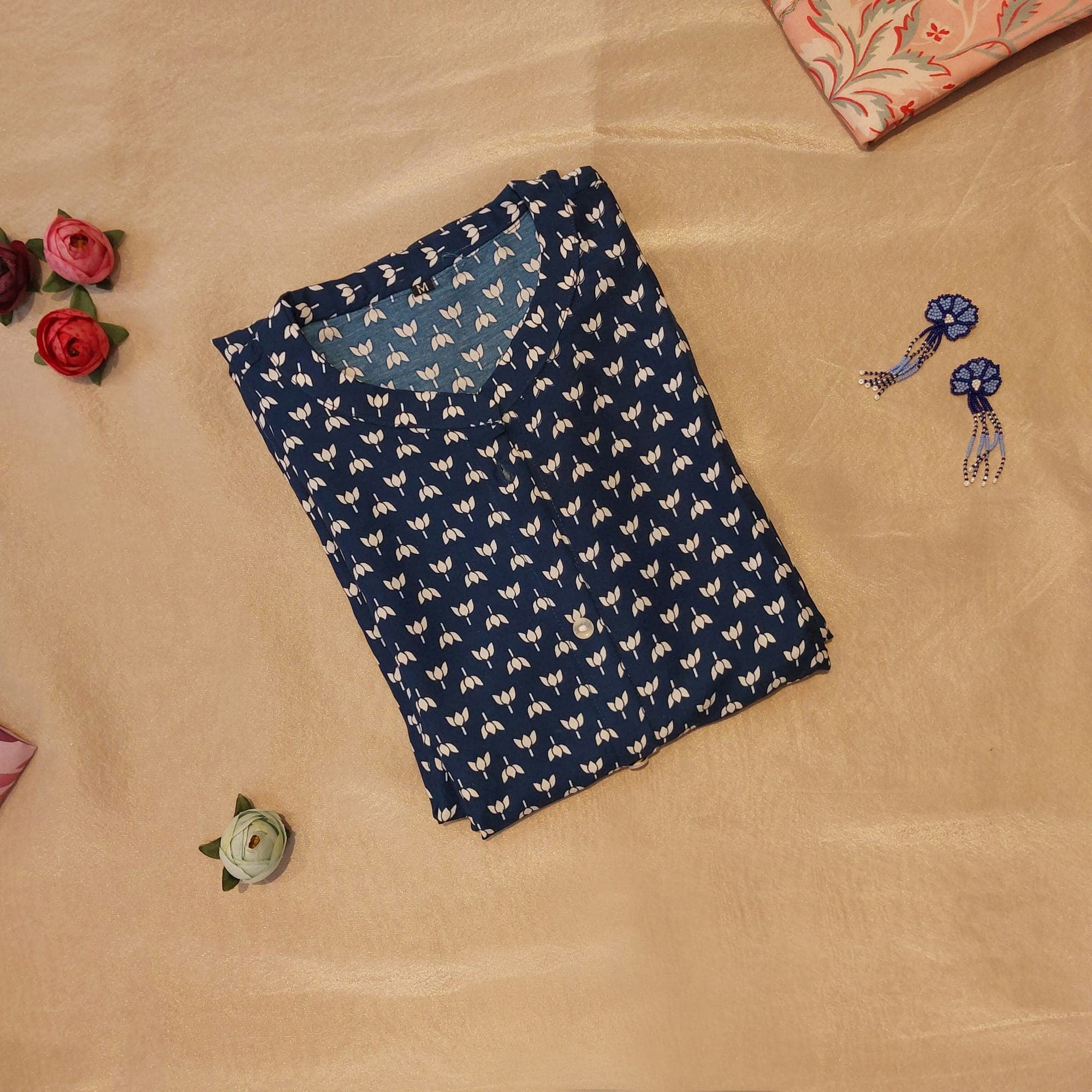
Clothes moth larvae feed mainly on animal fibres such as wool, cashmere and silk, and on blends containing them. They rarely touch plain cotton, linen or polyester unless it is soiled with food or sweat. So a cluster of tiny holes on the front of a cotton lawn kurta is almost certainly not moths.
Signs it is moths
Moth or carpet beetle damage tends to have a recognisable pattern.
- Irregular holes of different sizes, sometimes with thin, grazed patches around them.
- Damage in hidden, undisturbed places: under collars, in folds, along seams, on clothes left in storage.
- Wool, cashmere, silk or blended pieces affected while cotton beside them is untouched.
- Fine silky webbing, small cases or tiny gritty droppings in folds or on the shelf.
- New holes on clothes you have not worn for months.
Signs it is friction
Tiny holes in a line or a small cluster at the front, around the waist or lower belly, are the classic friction pattern. They come from the fabric rubbing against something hard, over and over: a belt buckle, a jeans button worn underneath, a kitchen worktop, a desk edge, a seat belt or a bag strap. Fine lawn and thin cotton jersey show it first. The holes are small, similar in size, and line up with whatever the garment rubs against.
Signs it is the machine or weak fabric
Other patterns point elsewhere.
- Snags and small tears after washing, anywhere on the garment, often with pulled threads: zips, hooks, bra fastenings or a rough spot in the drum. Close zips and wash delicates in a mesh bag; our article on washing machine settings for kurtas has more.
- Holes with thin edges that tear easily: the fibre itself has weakened, from age, sun, sweat or chlorine bleach. A bleach spill often leaves a pale ring around the hole.
- Splits along old fold lines: fabric stored folded for years, silk especially, can crack along the crease.
- Holes along a seam: the stitching has pulled through fine fabric, or the seam allowance has frayed away. That calls for a repair rather than a hunt for pests.
What to do next
If it is moths, deal with the whole wardrobe, not just one garment: wash or clean the affected and nearby pieces, vacuum shelves and corners, and store clean clothes as our guide to storing dupattas and embroidered suits explains. If it is friction or the machine, the fix is a change of habit: a smoother belt, a layer between the kurta and a jeans button, mesh bags and closed zips.
Small holes can be darned by hand, or backed with a little fusible mending tape from a haberdashery; on a print, a careful darn in matching thread hardly shows. If a favourite kurta is past mending, custom stitching can make a new one to your measurements. Our lawn guide explains the fabric’s weight, and you can request a quote when you are ready.
Common questions
Why do my cotton kurtas get tiny holes at the front?
Almost always friction: the fabric rubbing on a belt buckle, a jeans button, a worktop or a bag strap. Moths rarely eat plain cotton, so look at what that part of the kurta touches during the day.
Can moths damage a cotton suit?
Rarely on their own, but they may graze cotton that is soiled with food or sweat, or a cotton blend containing wool or silk. Clean clothes before storing them.
How can I tell whether moths are still active?
Look for fresh webbing, small cases or larvae in folds and shelf corners, and for new holes on clothes that have been put away. Pheromone traps sold for clothes moths can also show whether adults are about.
