Styles and design · 8 October 2026 · 3 min read
What does cut on the bias mean? Bias-cut clothes explained
What does cut on the bias mean? Cutting cloth on the diagonal so it stretches and drapes, where bias cuts are used, from binding to churidars, and trade-offs.
 Inspiration
The diagonal of the cloth
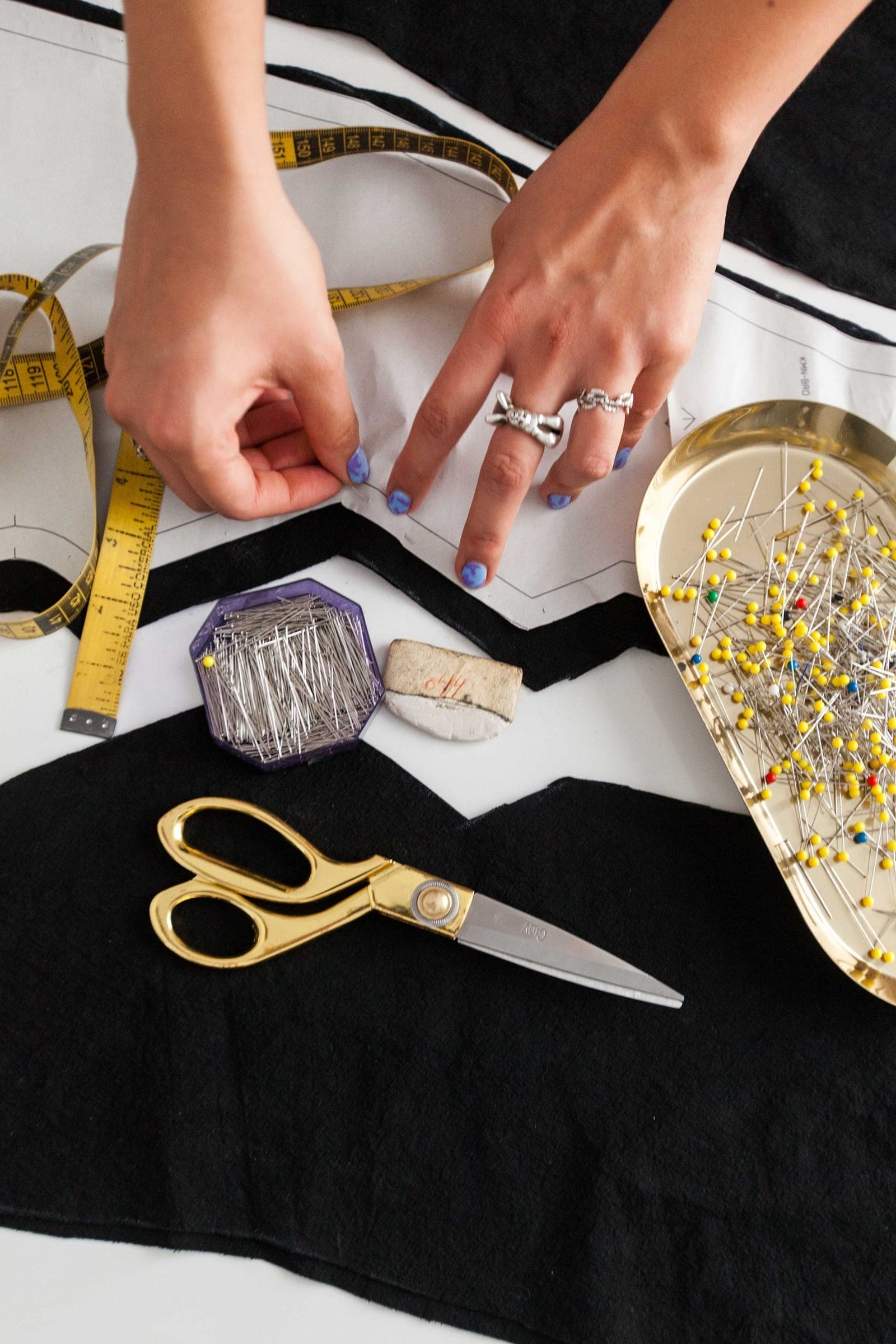
Cutting on the bias means laying a pattern piece diagonally across a woven fabric, at 45 degrees to the lengthwise and crosswise threads, instead of along them. That exact diagonal is called the true bias; pieces cut at a smaller angle are loosely described as on the bias too.
Every woven fabric has three directions: the lengthwise grain, the crosswise grain and the bias between them. Our article on what fabric grain is explains the first two, and the bias only makes sense once you know them.
Why bias-cut fabric behaves differently
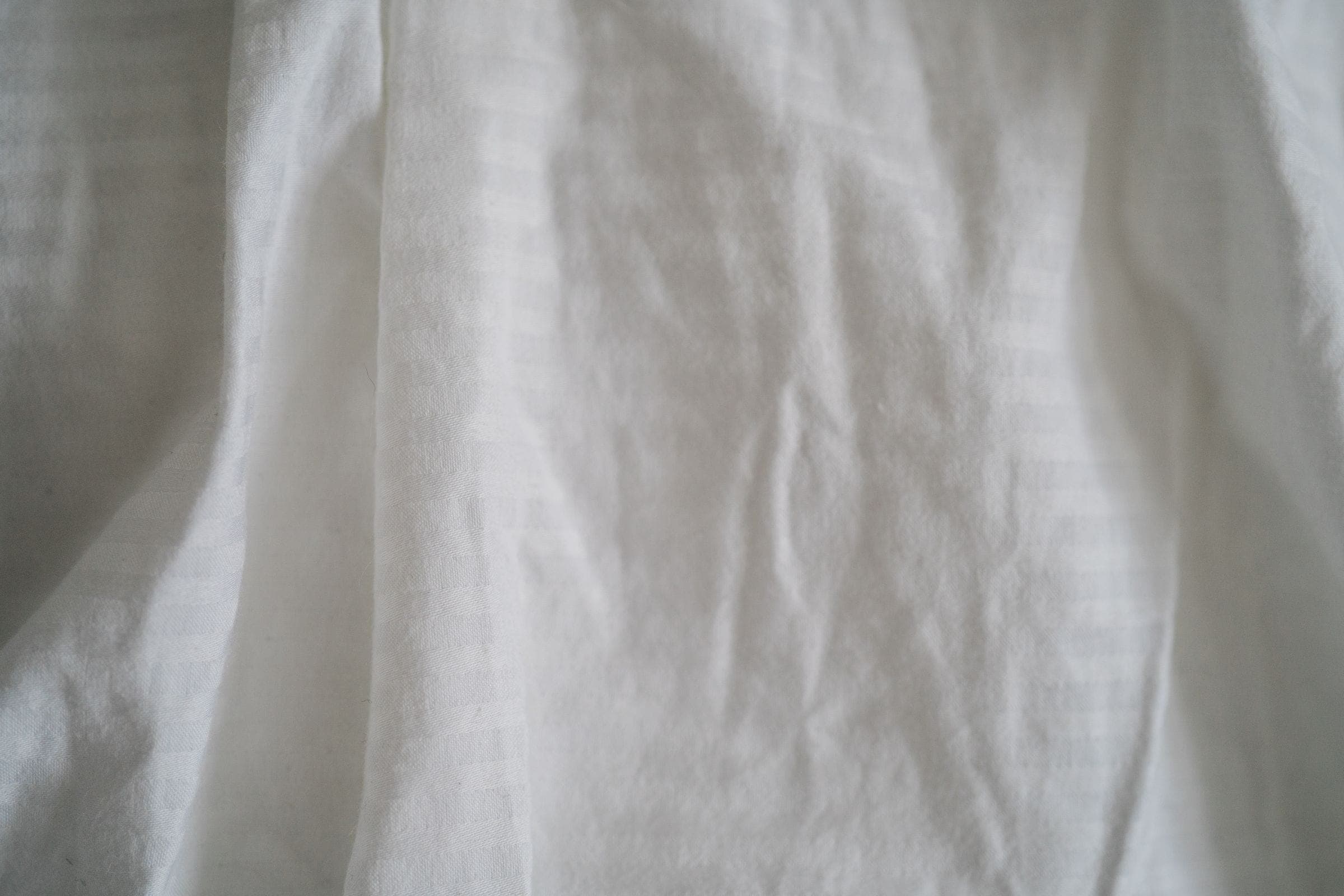
Along the grain, the threads resist pulling. On the diagonal, the little squares of the weave can pull into diamonds, so the cloth stretches noticeably even when it contains no elastane. That give is what makes bias-cut fabric fall in soft, fluid folds, curve round the body and move as you walk.
The same quality has a down side. Bias-cut pieces cling more, show more of the shape underneath, and keep stretching under their own weight for a while after they are sewn.
Where the bias is used
Bias cutting turns up wherever a fabric has to bend, stretch or drape. The slinky bias-cut evening dress is most closely associated with the Parisian designer Madeleine Vionnet in the 1920s and 1930s, but the technique is far older and far more everyday than that.
- Binding and piping: narrow strips cut on the bias bend smoothly round curved necklines and armholes; our piping and trims guide shows how they are used.
- Churidars: traditionally cut on the bias so the long, narrow leg stretches over the calf and gathers into rings at the ankle; see the churidar style page.
- Skirts and flared hems: parts of A-line, flared and circle skirts fall on the bias, which is why they ripple.
- Slip dresses and draped tops: cut on the bias for a fluid line that skims the body.
- Cowl necklines: the extra fabric drapes into folds far better on the bias.
The trade-offs
A bias cut is a choice with costs. Diagonal pieces leave awkward corners of cloth unused, so the same garment usually needs more fabric. Hems drop unevenly as the fabric relaxes, so a careful maker lets the garment hang before levelling the hem. Seams can ripple if they are stretched while sewing, slippery fabrics are hard to cut accurately, and stripes or checks turn into diagonals, which may or may not be the look you want. Our article on how fabric changes fit and drape explains why the same design behaves differently in different cloths.
Asking for a bias cut
A full kameez is rarely cut entirely on the bias, but bias panels, flared hems, cowl necks and churidars all are. Bias cutting is not a choice on our quote form, so describe what you want and send a photo; we confirm what is possible on your fabric, and whether there is enough of it, in the written quote. Our custom stitching service explains the rest of the process, and you can ask for a quote with your photo attached.
Common questions
Does bias cutting suit every fabric?
No. It works best in fabrics that drape, such as crepe, satin, georgette and soft viscose. Stiff or loosely woven fabrics can twist or lose shape, and very slippery ones are hard to cut accurately.
Why did my bias hem go uneven?
Bias-cut fabric keeps stretching under its own weight for some time after sewing, and some parts drop more than others. Dressmakers usually let the garment hang before levelling the hem for that reason.
What is bias binding?
A narrow strip of fabric cut on the bias, folded and used to wrap a raw edge such as a neckline or armhole. Because it is cut diagonally, it bends smoothly round curves without puckering.