
Styles and design · 8 October 2026 · 4 min read
What does self fabric mean? Self vs contrast trims
Self fabric means made from the same cloth as the garment, as in self piping or a self belt. How it compares with contrast, and how to word it.
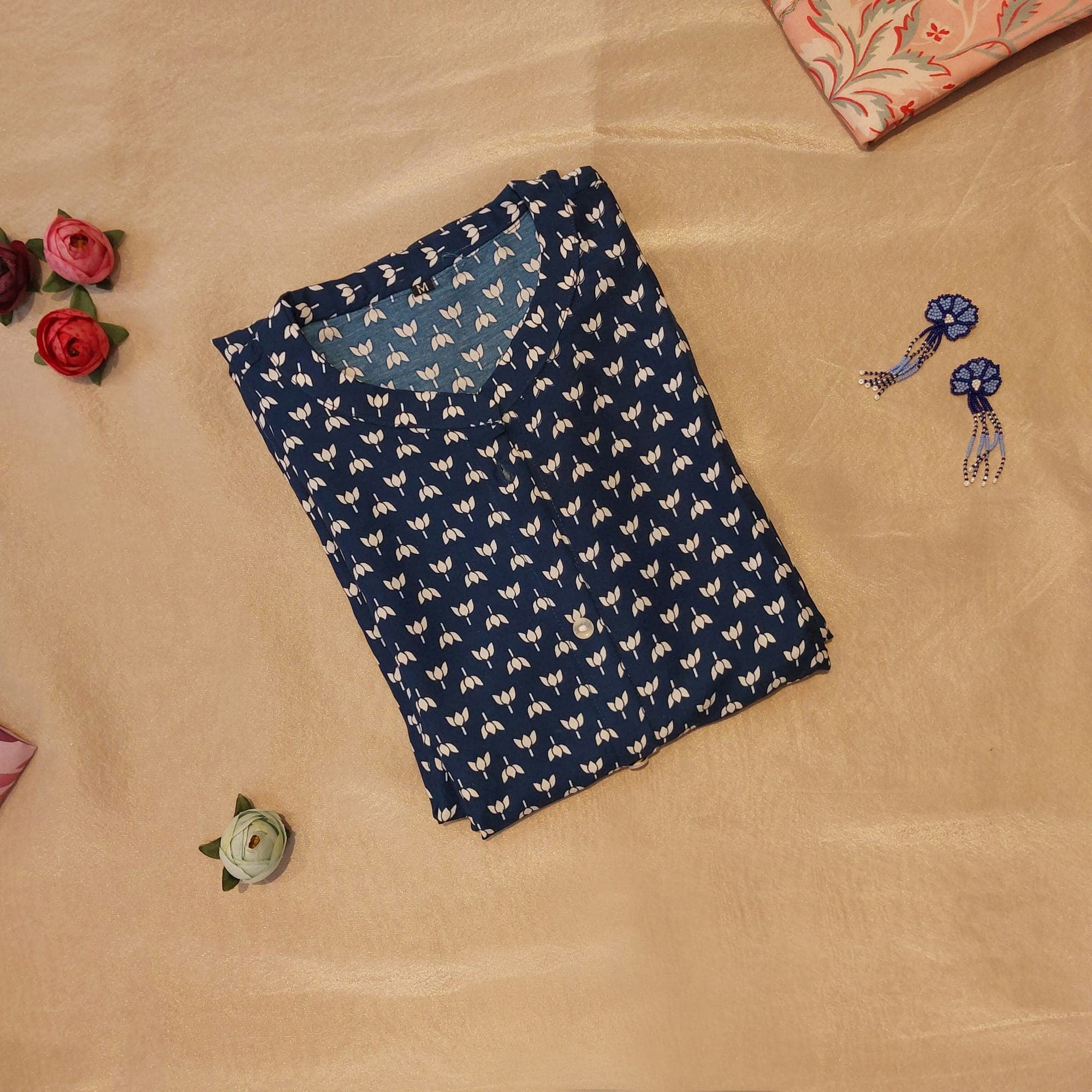 Inspiration
Self means the same cloth
In tailoring, “self” means made from the same fabric as the main garment. Self piping is piping cut from the kameez fabric itself; a self belt is a belt sewn from the dress fabric; self-covered buttons are button shapes wrapped in the garment’s cloth. The word turns up on product descriptions, on tailors’ notes and in quotes.
The opposite is contrast: a trim in a different fabric, colour or both. Contrast piping in the dupatta colour, or a contrast cuff in plain cotton on a printed kurta, are typical examples.
Common self details
Almost any trim can be made in self fabric. These are the ones you will meet most.
- Self piping. A narrow folded strip of the same fabric sewn into a neckline, cuff or hem. It gives a crisp edge without adding a new colour. Our piping and trims guide shows where piping goes.
- Self belt or tie. A belt or sash from the garment fabric, common on shirt dresses, wrap styles and abayas.
- Self-covered buttons. Buttons wrapped in the same cloth, so they blend in. Often used on plain plackets and cuffs.
- Self facing or lining. A facing or lining cut from the outer fabric, used when that fabric is light enough, or when the inside shows.
- Self loops and ties. Button loops or neck ties from thin tubes of the same cloth.
Self colour, self print and other uses
The word stretches a little in everyday use, so read it in context. “Self colour” usually means the same colour as the fabric, but not necessarily the same fabric: self-colour embroidery is thread in the fabric’s own shade, giving a tone-on-tone effect. A “self print” or self pattern, on the other hand, describes a pattern woven or printed tone on tone into the fabric itself, which is a different use again.
When a description says “self”, it is fair to ask whether it means the same cloth or only the same colour. On a quote, the safe wording names the source: “piping from the kameez fabric” or “piping in a matching colour”.
Choosing between self and contrast
Self trims make a garment look calm and expensive: the detail shows as texture and line rather than colour. They suit plain fabrics, office wear and outfits where the print or embroidery is already busy. Contrast trims add a deliberate accent and can tie the kameez to the dupatta or trousers; our guide to matching dupatta and trouser colours has ideas for that.
One practical point: self trims use cloth from your fabric. Piping is usually cut on the bias, which takes more than its finished length suggests, and a self belt needs a long strip. If you are supplying an unstitched suit, there may be enough left over, and using leftover fabric from your suit explains how to check.
How to word it in an order
Say what the trim is, where it goes and what it is made from. For example: “self piping on neckline and sleeves; self belt with two loops; contrast cuffs in the dupatta fabric.” Add a photo if the placement is unusual.
For Stitching Only, we confirm before you post anything that your fabric covers the trims as well as the main pieces. Add the wording to the notes on the quote form or the Stitching Only quote, and the trims are listed in your written quote.
Common questions
Is self piping the same colour as the fabric?
Yes, because it is cut from the same cloth. On a printed fabric, self piping shows a slice of the print, which can look busy or lively depending on the pattern.
Does self lining work for every fabric?
No. It suits light, smooth fabrics such as lawn or voile. A heavy or textured fabric lined with itself becomes thick, so a thinner lining is used instead.
What does self colour embroidery mean?
Embroidery in thread of the same shade as the fabric, so the pattern shows through texture and sheen rather than colour.
