
Fabrics and care · 8 October 2026 · 3 min read
What is latha? The plain cotton for shalwars
What is latha fabric? The plain, medium-weight cotton, usually white, used for shalwars, trousers and linings. How it compares with cambric, and when to choose it.
 Inspiration
Plain, practical cotton
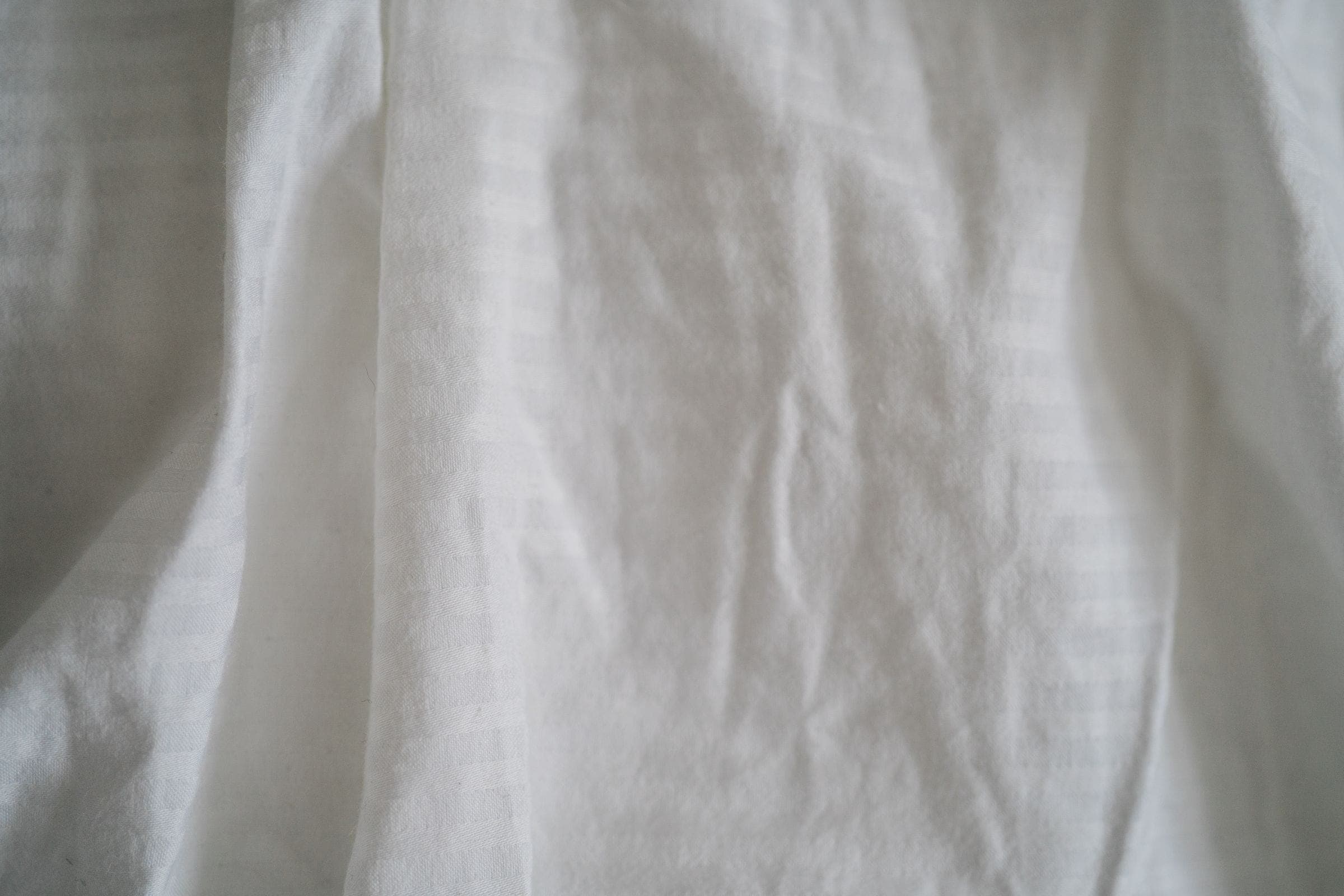
Latha, also spelt lattha, is the everyday name in Pakistan for a plain, medium-weight cotton cloth, usually white or off-white and sold by the metre. It has long been the cloth for shalwars, plain trousers, linings and household sewing, and tailors and fabric sellers use the word for a basic, sturdy cotton rather than any particular brand or grade.
As with many market names, there is no fixed standard. One shop’s latha is fine and smooth; another’s is coarser and more open. Some is bleached bright white, some left creamy, and plain dyed latha is sold too. It is usually cotton, though blends exist, so a glance at the label or a question to the seller is worthwhile.
Latha and cambric compared
Both are plain-weave cottons and they often do the same jobs, but they feel different. Our cambric guide has the fuller story on cambric.
- Surface: cambric is smooth and slightly glossy from finishing. Latha is plainer and more matt.
- Density: cambric is fine and closely woven. Latha ranges from fine to fairly coarse.
- Role: cambric is sold printed and embroidered as suit fabric. Latha is mostly plain, a working cloth for trousers and linings.
- After washing: latha softens and can look a little crumpled. Cambric holds a crisper press.
When latha is the practical choice
Latha earns its place in a few specific situations.
- A plain white or cream shalwar: it gathers comfortably at the waist and stands up to daily wear; see our page on the shalwar.
- A trouser for a printed kameez: when a suit has no matching trouser, plain or dyed latha fills the gap. Our guide to matching a plain fabric to a print helps with colour.
- A lining with some body: heavier than voile, latha makes an opaque lining under a sheer kameez in cooler weather, though it is warmer than fine lawn. Compare options in choosing lining.
- Hot-weather basics: a fine latha breathes and absorbs moisture like any cotton.
Buying and preparing latha
Because quality varies, hold it up to the light and rub it between your fingers before buying: an even weave without thin patches wears longer. Cotton like this can shrink in its first wash, so allow a little extra if you have not pre-washed it, and wash the length before cutting. Our guide to buying fabric by the metre helps you work out how much to buy.
White latha shows marks and can turn grey or yellow over time if washed with colours. Wash whites separately, dry them in fresh air and follow the label.
Using latha in your order
If you buy latha for the trousers of a suit, it can travel with the rest of your fabric for Stitching Only, once we have seen photos and confirmed it suits the design and is enough. Say on the quote form whether it has been washed.
Common questions
Is latha the same as lawn?
No. Lawn is a fine, light, often printed cotton for kameez and dupattas, while latha is a plainer, usually heavier cotton used mainly for trousers, shalwars and linings.
Is latha good for summer?
A fine latha is breathable and comfortable in heat, like any cotton. Coarser, heavier latha suits trousers better than a kameez in very hot weather.
Does latha shrink?
It can shrink in its first wash, as most cotton does. Washing the length before it is cut keeps the finished trousers the length you wanted.