
Occasions and ordering · 8 October 2026 · 3 min read
What to wear for a cultural dress day at work
What to wear for cultural day at work: a shalwar kameez that represents home yet lasts an office day, with a sensible length, an easy dupatta and a talking point.
 Inspiration
Choose home, but choose something you can work in
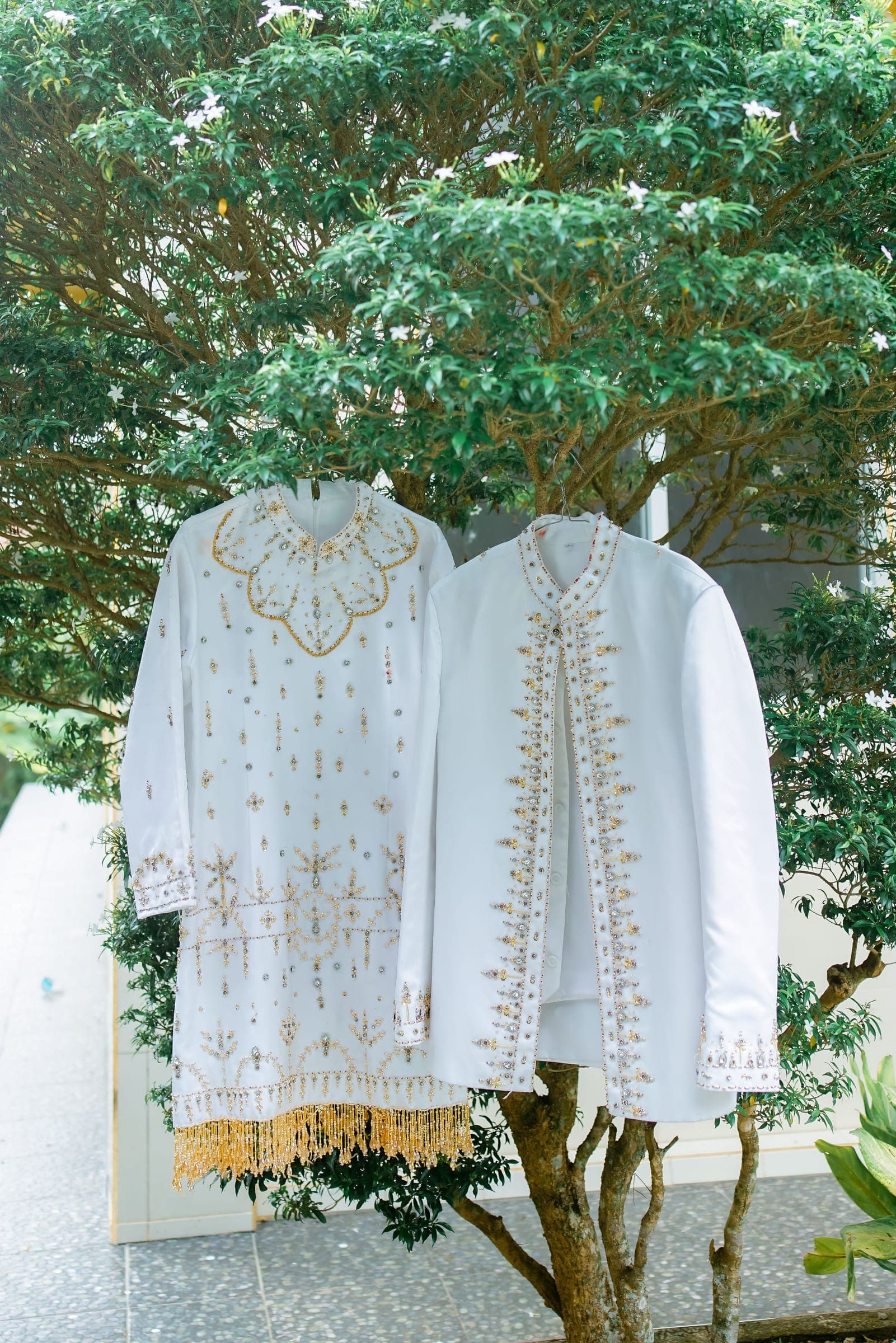
Wear a shalwar kameez or kurta set that clearly says where you are from but still survives an ordinary day at your desk: a knee-length kameez, trousers you can walk and sit in, a dupatta you can drape once and forget, and one or two details, such as a regional print or neat thread work, that colleagues can ask about.
Culture days tempt people towards their Eid or wedding outfits. Those look wonderful at lunchtime but feel heavy by mid-afternoon, especially with a commute, meetings and a crowded kitchen. Aim for the level of a smart dawat rather than a wedding.
Length and trousers for a full day
A kameez between knee and mid-calf looks traditional and still lets you climb stairs and get in and out of a car. Floor-length frocks and wide gharara legs are dramatic, but they catch on office chairs and escalators.
Straight trousers, cigarette trousers and a classic shalwar all work at a desk. Our article on kameez length and trouser pairings shows which combinations balance well. If you want the look of a sharara, keep it to a day without much walking.
A dupatta that behaves at work
A full chiffon dupatta can catch in a chair’s wheels, a printer tray or a closing lift door. You can still wear one; just make it manageable:
- Choose a slightly shorter or narrower dupatta, or a stole.
- Drape it over one shoulder and pin it, rather than leaving both ends loose.
- Pick cotton, lawn or a soft silk blend, which stay put better than slippery chiffon.
- Take it off and fold it over your chair back during focused work, then put it on again for the photo.
- See our dupatta styling guide for drapes that suit each neckline.
Details that invite good questions
Part of the fun of a culture day is explaining what you are wearing. A print or craft with a story gives you something easy to talk about: an ajrak-style print from Sindh, a phulkari-inspired dupatta from Punjab, block printing or tone-on-tone thread work at the neckline. Know the names of the pieces (kameez, shalwar, dupatta) and where the style comes from.
If you want embroidery added, describe the look or send a photo, and we confirm what is possible on your fabric in the written quote. Our custom embroidery service covers both outfits we stitch and embroidery on your own fabric.
Have your suit from home stitched
Many people already have an unstitched suit sent by family that is waiting for the right occasion. A culture day is a good reason. With Stitching Only, you confirm the fabric with us first, send it to Pakistan, and we cut and stitch it to your measurements. Making takes 5 to 7 working days once your fabric has arrived and the quote is paid in full, and both shipping stages add time, so start early. Ask for a stitching-only quote.
For more ideas for the rest of the working year, see our office-wear kurtas guide.
Common questions
Is it too much to wear an Eid outfit to work?
Not if your workplace is relaxed and you will be comfortable all day. A lightly embellished Eid suit can be perfect. Heavy embroidery, stiff fabrics and very long dupattas are the parts that become tiring at a desk.
What can I say when colleagues ask about my outfit?
Name the pieces, say where the style or print comes from and when people at home usually wear it. A sentence or two is plenty, and most colleagues are simply curious.
Can I wear jeans or trousers with a kurta instead?
Yes. A traditional kurta over smart trousers or jeans is a gentle way to join in, especially if the rest of your day involves site visits or travel.
