
Abayas · 4 October 2026 · 5 min read
Abaya fabrics guide: nida, crepe, jacquard and more
Our abaya fabrics guide compares nida, crepe, jacquard, chiffon, georgette, linen and cotton blends: how each drapes, breathes and wears, and what to ask for.
 Inspiration
Start with how you will wear it
The right abaya fabric depends on three things: the weather you live in, how you want the abaya to hang, and how much care you are happy to give it. In short, nida is the light, easy everyday choice for heat; crepe gives weight and a fluid hang; jacquard brings a woven pattern and more structure; chiffon and georgette make sheer outer layers over an opaque dress; and linen or cotton blends breathe well but crease. This abaya fabrics guide walks through each one so you can describe what you want with confidence.
Fabric names are used loosely in shops and online listings, so treat any name as a starting point rather than a promise. Two rolls both sold as “crepe” can feel completely different in the hand. What matters is weight, surface, opacity and drape, and those are things you can check.
The main abaya fabric types at a glance
Each of these has its own article in our journal if you want more depth.
- Nida: light, smooth, usually polyester, with a soft matte or gently lustrous face. Popular in the Gulf for daily wear because it drapes well and shrugs off creases. See what nida fabric is.
- Crepe: a grainy, pebbled surface made by tightly twisted yarns. Medium and heavy crepes hang straight and swing as you walk. More in our crepe abaya guide.
- Jacquard: a pattern woven into the cloth rather than printed or embroidered on top. Often tone on tone. Read jacquard abayas.
- Chiffon and georgette: sheer, airy and floaty, usually worn over an inner dress or with a lining. See chiffon and georgette abayas.
- Linen and cotton blends: breathable natural fibres, matte and relaxed, with more creasing. See linen and cotton abayas.
Four checks for any abaya fabric
Whether you are holding a length of cloth in a souq or looking at photos on your phone, these four checks tell you most of what you need to know.
- Drape: hold a corner and let the rest fall. A fabric that drops in soft vertical folds will flow; one that stands away in stiff angles will give a crisper outline.
- Opacity: put your hand behind a single layer in daylight. If you can see your fingers clearly, plan for a lining or an inner dress. Our lined or unlined abaya guide explains the options.
- Creasing: squeeze a handful tightly for a few seconds, then let go. Deep creases that stay put will show after a car journey or a long sit.
- Sheen: look at the fabric near a window and under indoor light. A surface that looks matte in shade can turn glossy in sun. See matte or shiny abaya fabric.
Matching fabric to your climate
Someone dressing for a humid August in Dubai needs a very different abaya from someone walking to work through a wet January in Manchester. Gulf heat calls for light, quick-drying fabrics and, for many people, a single layer. Colder places need weight, a lining or a warm layer underneath, and a hem that copes with rain.
We have separate guides to abaya fabrics for Gulf summer heat and winter abayas for UK and US weather, which go into fibre, weight and layering in detail.
How fabric affects the stitching
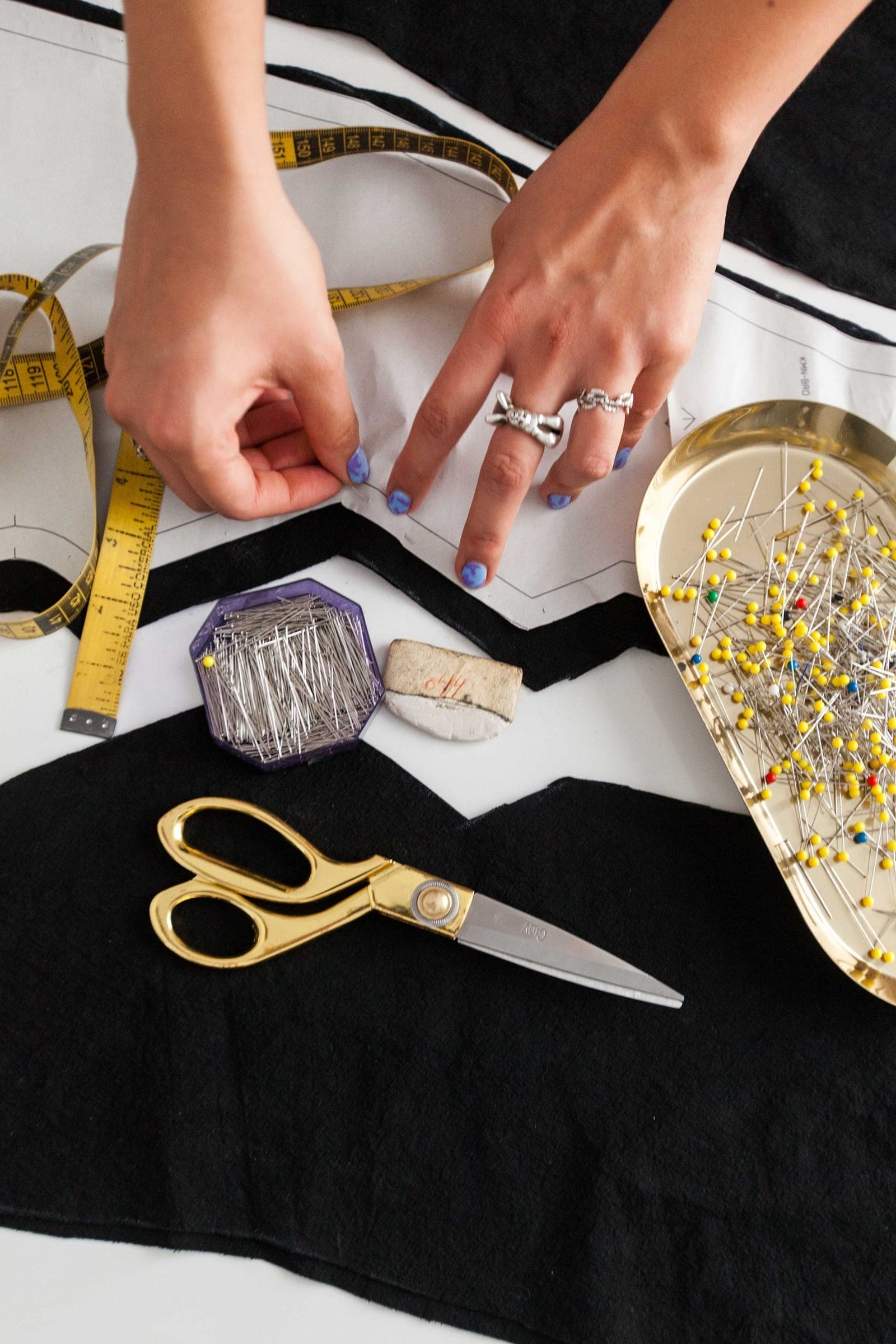
Fabric choice changes how an abaya is made, not only how it looks. Sheer chiffon needs narrow, enclosed seams and a fine rolled hem, because ordinary seam edges would show through. Slippery fabrics move on the cutting table and take more care to cut straight. Heavy crepe can drop slightly after hanging, so the hem is best set once the fabric has settled. Jacquard with a one-way pattern needs every panel cut in the same direction, which can use more cloth.
None of this is a reason to avoid a fabric you love. It simply means the fabric and the design should be agreed together, which is exactly what happens in a written quote.
Choosing your abaya fabric with us
We make abayas to measure in Pakistan in two ways. With Fabric + Stitching, you tell us the look and feel you want, and we share photos and descriptions of the fabric we propose with your quote; no particular fabric is promised until it appears there. With Stitching Only, you buy your own abaya fabric anywhere and send us photos first, and we confirm that it suits your design and that there is enough before you post anything. Our guide to choosing fabric covers both routes.
When you are ready, start a Fabric + Stitching quote or a Stitching Only quote, and mention your climate and how you plan to wear the abaya. That one line helps us suggest a sensible fabric weight and lining.
Common questions
What is the most popular fabric for abayas?
Nida and crepe are both widely used, especially in the Gulf, because they are light, opaque in darker shades and drape well. Jacquard, chiffon, georgette, linen and cotton blends are popular for particular looks or climates.
Which abaya fabric creases least?
Smooth polyester fabrics such as nida and many crepes resist creasing well. Linen and cotton crease the most, which some people enjoy as part of their relaxed look and others find untidy.
Do you stock a fixed range of abaya fabrics?
We do not publish a fixed list. With Fabric + Stitching we propose fabric for your design and share photos and descriptions with your quote, or you can send your own fabric for Stitching Only once we have confirmed it.
