
Abayas · 4 October 2026 · 5 min read
Abaya fabrics for Gulf summer heat and humidity
Choosing abaya fabric for a Gulf summer: dry inland heat vs humid coastal heat, which fabrics breathe, colour and sun, and coping with air-conditioned interiors.
 Inspiration
What to look for in a summer abaya
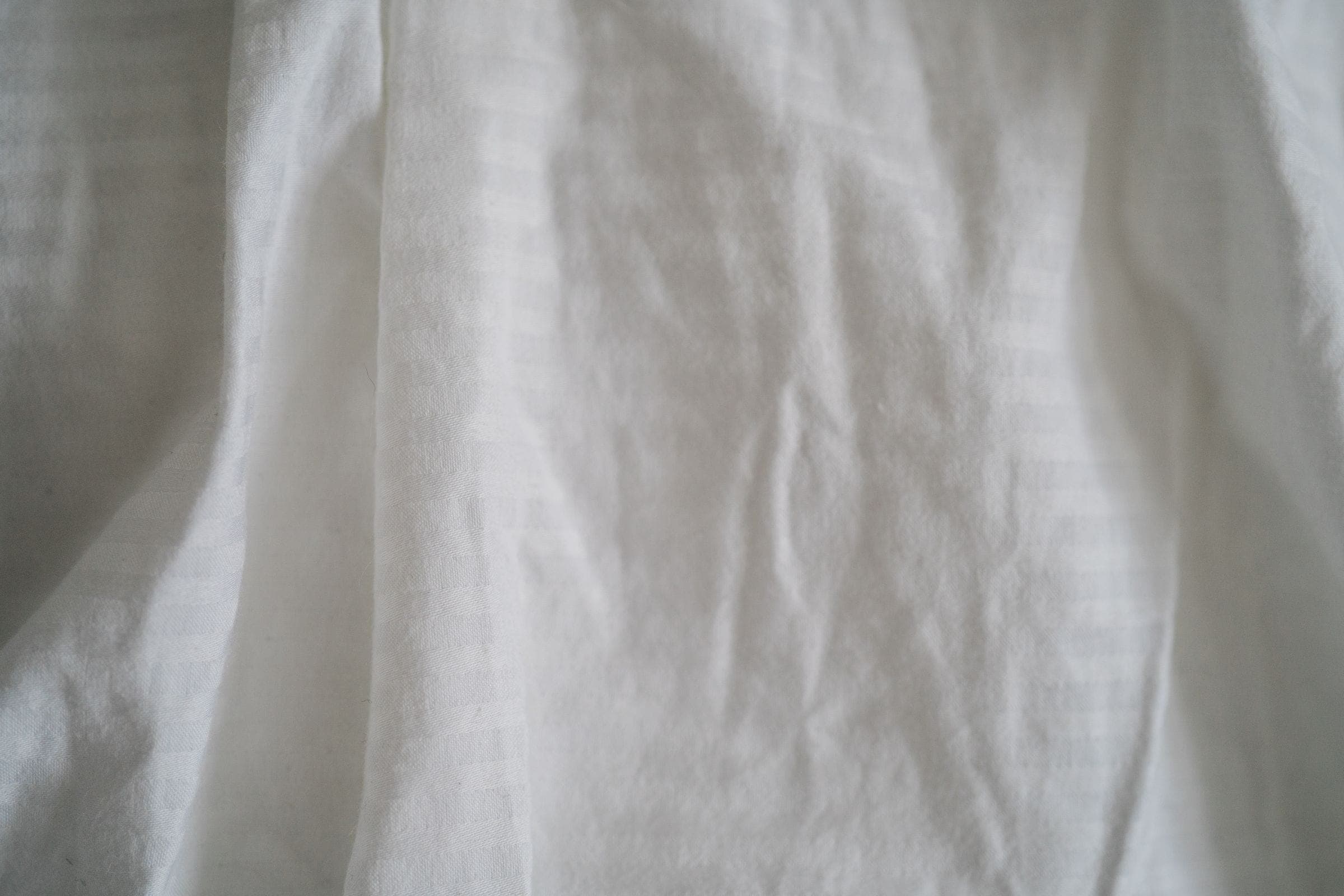
For Gulf summer heat, choose an abaya fabric that is light, thin enough for air to pass through, quick to dry and opaque in a single layer, so you do not need a lining. In practice that usually means light nida, light or medium crepe, or a linen or cotton blend, worn loose over breathable clothing. Heavier crepes, jacquards and full linings are better saved for the cooler months.
The details depend on which kind of heat you live with, because the Gulf has two.
Dry heat and humid heat
Inland cities such as Riyadh or Al Ain have fierce, dry heat. Sweat evaporates fast, so a thin synthetic like nida feels fine, and the main concern is shading the skin from strong sun. Coastal cities including Dubai, Doha, Kuwait City, Manama, Jeddah and Muscat combine high temperatures with heavy humidity for much of the summer. There, sweat does not evaporate easily, and a fabric that absorbs moisture becomes far more valuable.
If you live on the coast and find synthetics clammy, look at linen blends, viscose crepe or a cotton inner layer under a light nida. Our article on linen and cotton abayas goes further.
Fabrics for the hottest months
- Light nida: thin, quick-drying and resistant to creases. A dependable everyday choice in dry heat. See what nida fabric is.
- Light or medium crepe: opaque without much bulk; viscose crepe breathes better in humidity than polyester.
- Linen and viscose blends: cool and absorbent, with fewer creases than pure linen.
- Chiffon or georgette over cotton: a sheer outer layer over a cotton inner dress can feel lighter than one thick layer.
- Fabrics to save for winter: heavy crepe, dense jacquard, wool blends and anything fully lined.
Colour and the sun
Dark colours absorb more of the sun’s energy than light ones, so a black abaya in direct sun warms up faster than a beige or grey one. Many people still prefer black for its tradition and practicality, and the difference matters less if most of your day is spent indoors or in the car. If you are outdoors a lot, a lighter shade, or black in a thinner and looser fabric, is worth considering. Our guide to black or coloured abayas weighs this up.
Strong sun also fades dyes, black included. Dry abayas in the shade and keep them away from bright windows.
Air conditioning and layers
Gulf summer life swings between blazing streets and chilly malls, offices and cars. A single-layer abaya over a light cotton or viscose dress handles both: the outer layer shades you outside, and the inner layer feels comfortable in cold interiors. Our guide to what to wear under an abaya has ideas for both heat and cold.
Heat also means washing more often, which wears fabric faster. Rotating two or three abayas spreads the wear, and deodorant marks on black are easiest to prevent by letting deodorant dry before dressing.
Ordering a summer abaya
Our custom abaya service makes abayas to measure in Pakistan and ships them to every Gulf country. In the UAE, Saudi Arabia, Qatar, Kuwait and Bahrain you choose to be quoted in US dollars, euros or pounds; in Oman the currency is agreed per enquiry. Your written quote includes delivery and any import duties, taxes and customs or courier fees, so there is nothing to pay on arrival. Fabric + Stitching in the UAE and Stitching Only work the same way across the region.
Production takes 5 to 7 working days after approval and full payment, and shipping is added on top, so it pays to order before the hottest weeks. Start a summer abaya quote and tell us whether you live inland or on the coast.
Common questions
What is the coolest abaya fabric for summer?
Light linen blends, viscose crepe and light nida are among the coolest. In humid coastal heat, fabrics that absorb moisture such as linen and viscose usually feel more comfortable than polyester.
Is a black abaya hotter than a coloured one?
In direct sun, yes, because dark colours absorb more heat. The difference matters less indoors or in shade, and a thin, loose black abaya can still be comfortable.
Should a summer abaya be lined?
Usually not, if the fabric is opaque. A lining adds warmth. Choose an opaque single-layer fabric, or wear a light cotton inner dress under a sheer one.