Occasions and ordering · 8 October 2026 · 3 min read
Do you need a dupatta at a formal event?
Can you wear a suit without a dupatta to a function? Often yes. Where a two-piece is accepted, where custom still expects a dupatta, and lighter substitutes.
 Inspiration
Not always, but it depends on the occasion
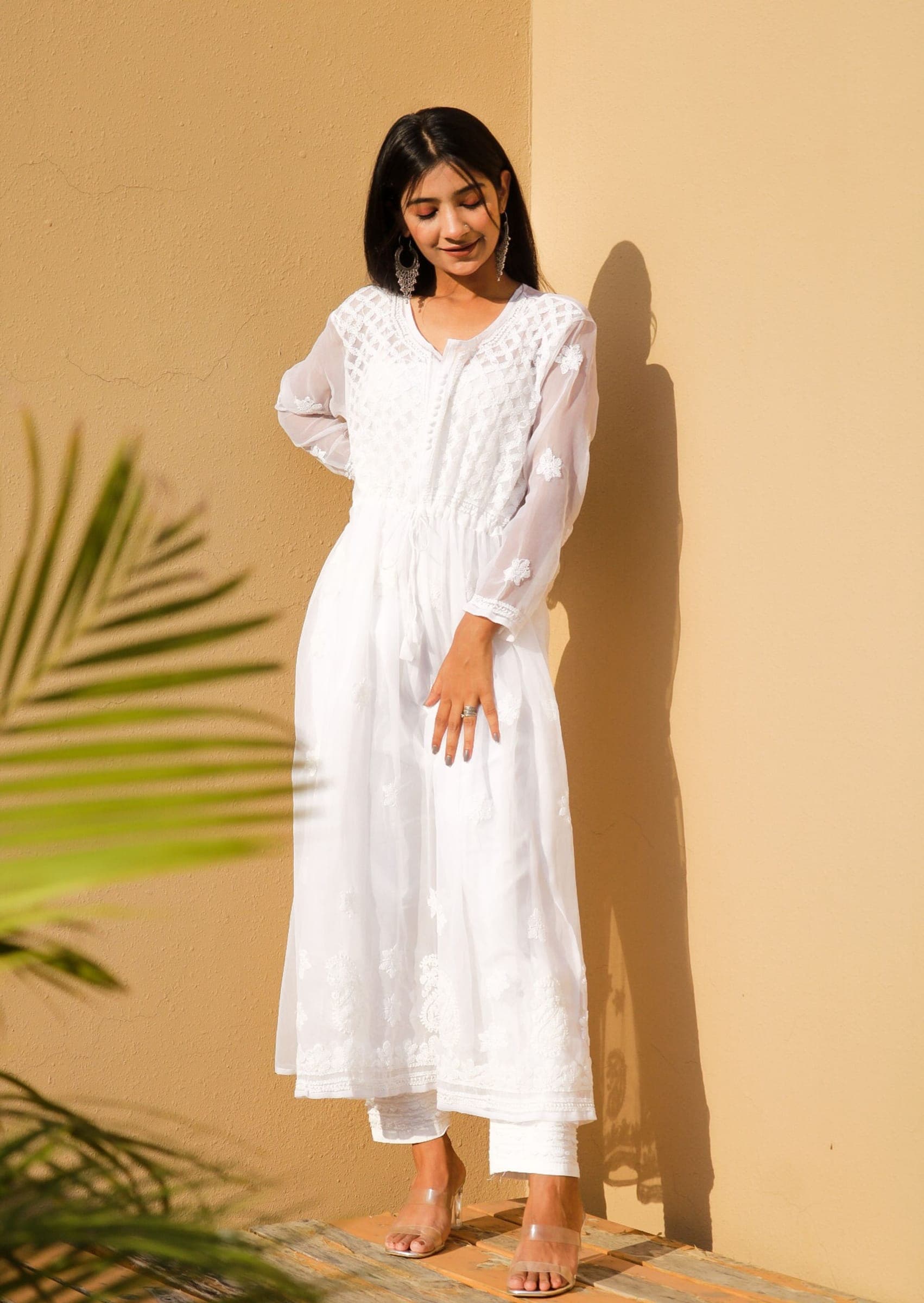
No, not at every formal event. A well-made two-piece, kurta and trousers without a dupatta, is widely accepted at parties, dinners, office functions and many wedding receptions. A dupatta is still expected by custom at religious gatherings, at a nikkah, in conservative households and often in front of elders.
Our article on kurta and trouser sets covers everyday two-pieces. This one is about functions, where the expectations are less obvious.
Occasion by occasion
Customs vary between families and communities, so treat this as a guide to what is common, not a rule.
- Dinner parties, birthdays and office events: a two-piece is normal.
- Mehndi and dholki: often fine without, especially for dancing, though many guests carry a dupatta for photos.
- Walima and receptions in a hall or hotel: increasingly accepted, particularly with a formal kurta and good fabric.
- Nikkah ceremonies: a dupatta or head covering is usually expected, at least during the ceremony itself.
- Milad, Quran khwani and other religious gatherings: a dupatta to cover the head is expected.
- Visiting elders or a traditional family: wear one, or at least carry one.
Making a two-piece look formal enough
Without a dupatta, the kameez carries the whole outfit, so the details matter more. A two-piece in plain cotton looks casual at a function, while the same cut in a richer fabric with careful finishing looks deliberate.
Choose a fabric with some presence, such as cotton silk, raw silk, jacquard or velvet in winter. Put the embroidery where a dupatta would have hidden it, at the neckline and across the yoke. A longer kameez, knee to calf length, looks more formal than a hip-length kurta. Trousers in the same colour or fabric make the set read as one outfit. Our wedding guest guide shows the formality expected at each wedding event.
Lighter substitutes for a full dupatta
If you find a full-size dupatta hard to manage, there are lighter ways to meet the custom. Our guide to dupatta sizes and styles explains the lengths and widths.
- A stole: narrower and shorter, worn over the shoulders or loosely over the head.
- A scarf in your bag: enough to cover your head for a recitation or prayer, then put away.
- A pinned dupatta: fixed at one shoulder so it stays put while you eat or dance.
- A shawl in winter: does the same job and keeps you warm.
Choosing the pieces when you order
When you order through our custom stitching service, you choose the pieces on the quote form: kameez, trousers, dupatta, or a waistcoat. If you are not sure, order a three-piece and decide on the night; a dupatta is far easier to leave at home than to wish you had. Request a quote with a photo of the look. Making takes 5 to 7 working days after approval and full payment, plus shipping.
Common questions
Is it rude to go without a dupatta at a wedding?
At most receptions and parties today, no. At the nikkah itself or with very traditional families it can be noticed, so carry one if you are unsure.
Can I carry the dupatta instead of wearing it?
Yes. Draping it over your arm or bag is common, and it means you have it for a prayer, a recitation or the family photo.
Is a two-piece fine for Eid?
For most Eid gatherings, yes, but many families still wear a dupatta for Eid prayers and visits to elders. Take one with you.