
Abayas · 4 October 2026 · 5 min read
How to measure for an abaya, step by step
How to measure for an abaya at home: the measurements a made-to-measure abaya needs, how to take each one with a soft tape, and what to write in your quote notes.
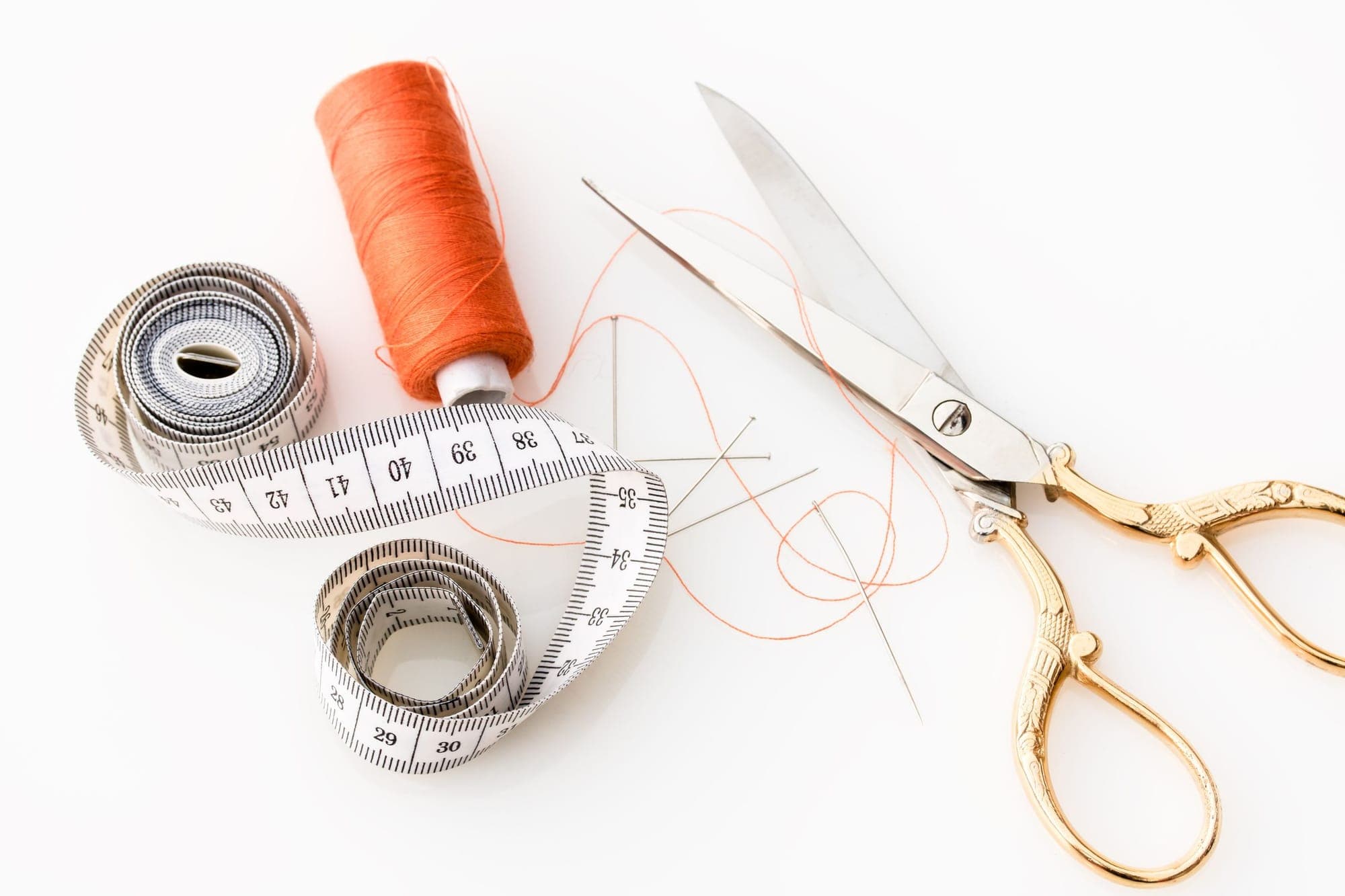 Inspiration
What a made-to-measure abaya needs from you
To measure for an abaya you need a soft tape, the shoes you plan to wear and about fifteen minutes. The core numbers are your bust, waist, hips, shoulder width, sleeve length, wrist and the full length from the top of your shoulder to the floor with shoes on. Add your height and your upper arm if you have them. With those, a made-to-measure abaya can be cut to sit properly on you rather than on a size label.
An abaya is simpler to measure than a fitted kameez, because it is meant to skim the body rather than follow it closely. That does not make the numbers less important. Length and sleeves are what people notice first when an abaya is wrong, and both depend on careful measuring. This guide covers the method; our custom abaya service explains how the order itself works.
Get ready before you pick up the tape
A few minutes of preparation saves a lot of second-guessing later.
- Use a soft tailor’s tape, not a metal builder’s tape. A metal tape cannot follow the curve of your bust or hips.
- Wear what you normally wear under an abaya. If you usually have a long dress or trousers and a top underneath, measure over them, not over thin clothing alone.
- Put on your usual shoes for the length measurement. A flat sandal and a block heel can differ by several centimetres at the hem.
- Ask someone to help with the shoulder and length if you can. If you are on your own, our guide to measuring yourself without help has workarounds.
- Choose centimetres or inches and stick to one. The quote form accepts either; mixing them is a common source of errors, as measuring in inches or centimetres explains.
The abaya measurements, one by one
Stand naturally with your feet together and breathe normally. Keep the tape snug but not tight; you should be able to slide a finger underneath.
- Bust: around the fullest part, with the tape level under your arms and across your back.
- Waist: around your natural waist, even if your abaya will hang loose there. It helps if you want a belt or a slightly shaped back.
- Hips: around the fullest part of your hips and seat. For a straight abaya this decides whether you can walk and sit comfortably.
- Shoulder: across your back from one shoulder point to the other, where a set-in sleeve seam would sit.
- Sleeve length: from the shoulder point down to where you want the sleeve to end, with your arm relaxed and slightly bent.
- Wrist: around your wrist, or around your hand if you want a narrow cuff that slips on without a fastening.
- Upper arm: around the fullest part of the arm, so a slim sleeve is not tight when you lift a bag.
- Full length: from the highest point of your shoulder, next to your neck, straight down to the floor, wearing your shoes.
- Height: without shoes, standing against a wall. It is a useful cross-check on the length.
Length: the measurement that matters most
Most abaya disappointments come down to length. Measure from the shoulder by the neck rather than from the back of the neck, because the shoulder point is easier to find again and it matches how our size guide describes garment lengths. Then decide how far above the floor you want the hem: just grazing the top of your shoe, or a little higher so it stays clean on wet pavements and stairs.
Write the floor measurement and your preferred clearance separately, for example “shoulder to floor in my shoes 148 cm, hem 2 cm above the floor”. That way nobody has to guess which number you meant. There is more on this in our article on abaya length with shoes.
If you would rather not measure from scratch
The quote form offers other routes. You can choose a standard UK size and we confirm the key measurements with you, or you can measure an abaya you already own and like. Our guide to measuring an abaya you already own shows how. If you are unsure about any step, the measuring help page explains how to ask us for guidance before you submit.
Whichever route you choose, it helps to know the difference between your body measurements and the finished size of the garment. Our page on body and garment measurements sets it out clearly.
Sending your measurements
Enter your numbers on the abaya quote form and use the notes box for anything the boxes do not cover: the shoes you measured in, whether you like a roomy or closer shape, and the layers you wear underneath. Add a photo or sketch of the style you want. The design and every measurement are agreed with you in writing before anything is cut, so you have a chance to check them against your notes.
We make abayas in Pakistan and ship them worldwide, whether you live in Dubai, London or anywhere else. Production takes 5 to 7 working days once the quote is approved and paid in full; shipping time depends on your country and is added on top.
Common questions
Which measurements do I need for an abaya?
Bust, waist, hips, shoulder, sleeve length, wrist, upper arm and the full length from the top of your shoulder to the floor wearing your shoes. Your height is a useful extra check.
Should I measure over clothes?
Measure over the kind of clothes you normally wear under an abaya. If you usually wear a dress or trousers and a top beneath it, measure over those so the abaya has room for them.
Can I give you a dress size instead?
Yes. You can choose a standard UK size on the quote form and we confirm the key measurements with you before anything is cut. The length is still best measured with your own shoes on.
