Fit, measuring and alterations · 30 September 2026 · 4 min read
Using a kameez that fits as your template
How to measure a kameez or kurta that already fits you well, which points to take, why garment numbers differ from body numbers, and when to post the kameez instead.
 Inspiration
Why a favourite kameez is so useful
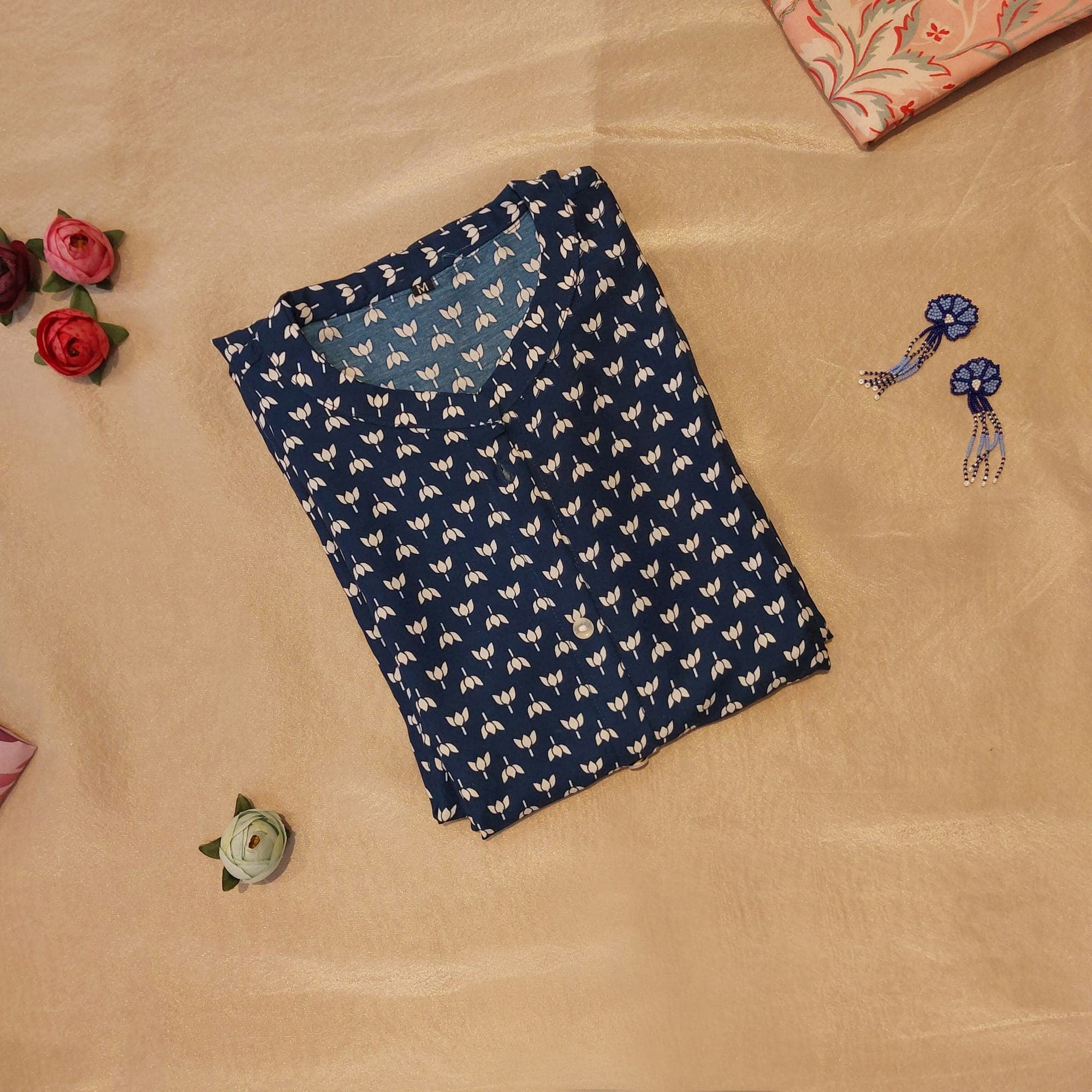
If you already own a kameez or kurta that fits the way you like, it holds information no tape round your body can give: the ease you are comfortable in, the lengths you like and an armhole that lets you move. Many people find measuring a garment easier than measuring themselves, and it is one of the options on our stitching quote form.
There are two ways to use it. You can measure it at home and send the numbers, or post the garment itself to us in Pakistan and we measure it; we confirm how to send it before you post anything. Either way, the key is knowing that a garment measurement is not the same as a body measurement.
Garment numbers are not body numbers
A tape round your bust gives your body measurement. The same point on a kameez that fits includes the ease, the extra room for movement, so it is always larger. If garment numbers are read as body numbers, the ease is added a second time and the new kameez comes out loose. Label them clearly. Our guide to ease explains how much room different fits allow.
Check the kameez really fits where it matters. One you love the length of but which pulls across the bust is still useful for lengths, just not for the chest. You can mix sources freely: body measurements for some points, garment measurements for others, as long as each is labelled.
How to measure the kameez
Lay the kameez flat on a table, front facing up, with any buttons or hooks closed. Smooth it out without stretching it, then measure these points. Double any width taken straight across the front.
- Chest: straight across, about 2.5 cm (1 inch) below the armholes. Double it.
- Waist: across the narrowest part, if the kameez is shaped. Double it.
- Hip: across at the top of the side slits, or at the widest point if there are none. Double it.
- Shoulder: turn the kameez over and measure across the back from one shoulder seam to the other.
- Armhole: stand the tape on its edge and follow the curve of the seam from the shoulder point to the underarm, on the front and then the back, and add the two.
- Kameez length: from the highest point of the shoulder, where the shoulder seam meets the neckline, straight down to the hem.
- Sleeve: from the shoulder seam to the end of the sleeve along the top fold, then across the upper sleeve just below the armhole and across the sleeve hem. Double both widths.
- Front neck depth: from where the shoulder seam meets the neckline, straight down to the lowest point of the front neck.
- Slits: from the hem up to the top of the side slit.
Trousers work the same way
For trousers, measure a pair you like: the outside seam from the top of the waistband to the hem for length, and the hem opening laid flat and doubled for the trouser bottom. For fitted styles, add the front rise, from the waistband down the front seam to the crotch point. Our trouser fit guide explains why the rise matters for straight trousers and cigarette pants but rarely for a shalwar.
Measure it or send it?
Measuring at home is quicker, and your kameez stays with you. Posting it to us in Pakistan gives the fullest picture, including details you might not think to measure, such as the shape of the armhole or where a dart sits, but it adds an international shipping stage to your order. It makes most sense when the fit is hard to describe, or when you want a new kameez based closely on an old favourite. Choose “Send a garment that fits” on the form and we confirm the sending arrangements with you before you post anything; our guide to posting fabric for stitching has packing tips that apply to garments too.
Whichever you choose, tell us what you would change. “Same fit, but 5 cm longer” or “same, but a little looser at the hips” is exactly the kind of note that turns a good template into a better kameez. Then add your fabric and design choices; the custom stitching page explains how it all comes together.
Common questions
Can I send a kameez that fits instead of measuring myself?
Yes, choose the option to send a garment that fits and we take the measurements from it. We confirm how to send it to us in Pakistan before you post anything. Tell us anything you would change, such as the length or the room at the hips.
Should I double the chest measurement of a kameez laid flat?
Yes, a kameez laid flat shows only the front, so double the measurement across the chest, waist and hips to get the full round. Or give us the flat number and say that it is a flat measurement.
Are garment measurements the same as body measurements?
No, a garment that fits already includes ease for movement, so its numbers are larger than your body’s. Always label which kind you are sending so the ease is not added twice.