Styles and design · 8 October 2026 · 4 min read
What colour piping should you choose for a kameez?
Piping colour for a suit: matching for a quiet finish, tonal for a soft outline, or contrast picked from the print. How to choose, and how to name the shade clearly.
 Inspiration
Pick one of three approaches
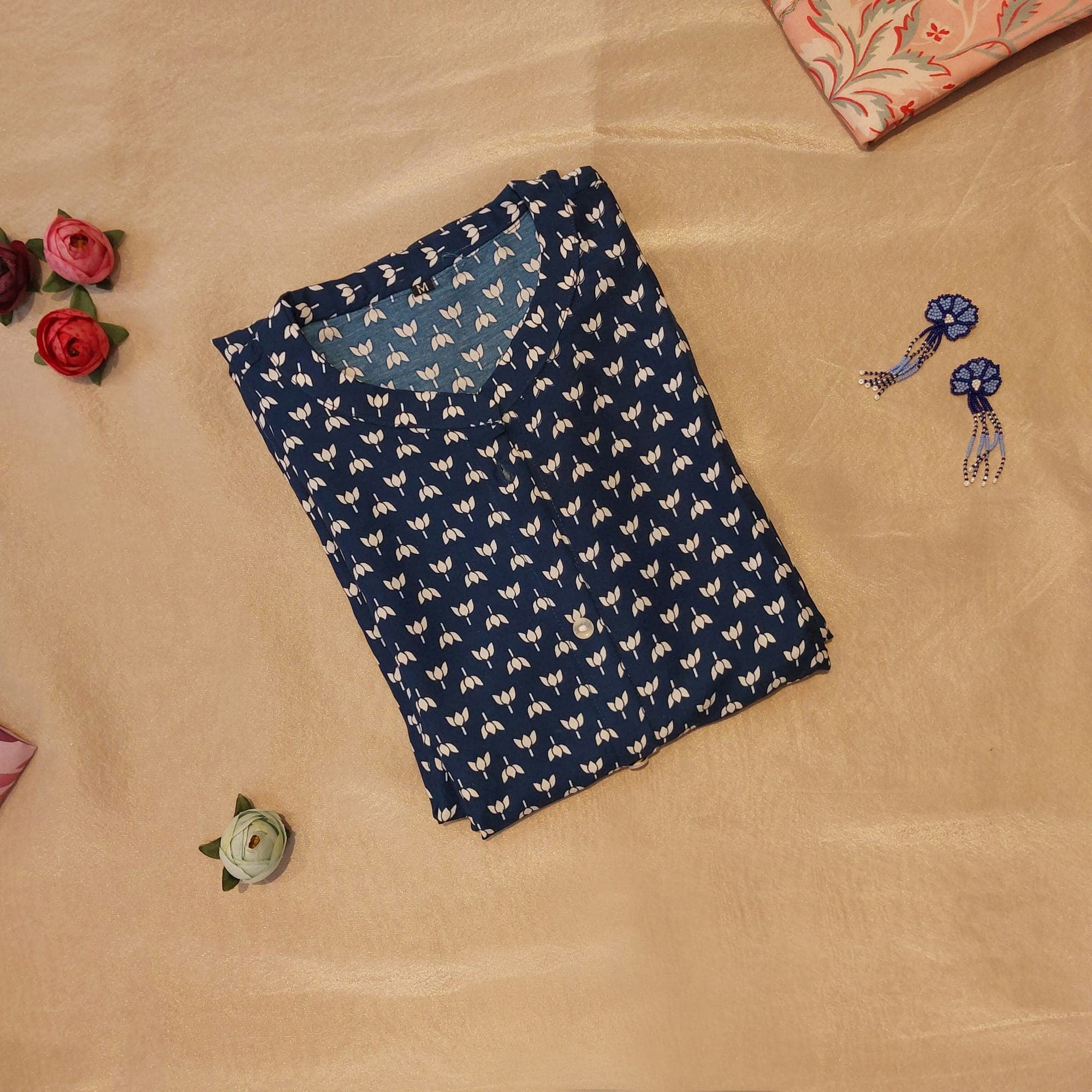
Piping colour comes down to one decision: matching piping for a quiet, finished edge, tonal piping a shade lighter or darker than the base for a soft outline, or contrast piping for a clear line. On a printed kameez, the easiest contrast is a colour that already appears in the print. On a white or pale plain kameez, piping in the colour of your trousers or dupatta ties the outfit together.
- Matching: the same colour as the kameez. It adds structure and a neat edge without drawing the eye. Good for office wear and for heavily printed fabric.
- Tonal: one or two steps away from the base, such as dark teal on teal. It outlines the neckline and sleeves gently and suits plain fabrics with some texture.
- Contrast: a different colour altogether. It frames the neckline, placket and hems and makes a plain kameez look deliberate.
Reading a printed kameez
Look at a print and you will usually find three kinds of colour: the base or ground, the main colour of the motifs, and one or two accent colours used sparingly, often in outlines or small details. Each gives a different result as piping.
Piping in the main motif colour tends to disappear into the print. Piping in the darkest outline colour gives a crisp frame, which is a reliable choice for busy florals. Piping in a small accent colour, a touch of mustard in a blue print for example, makes that accent stand out across the whole outfit. If the print is very busy, a light contrast piping can get lost; a solid dark one usually reads better. The guide to pairing printed and plain pieces uses the same logic for whole garments.
White and pale suits
White piping on a white kameez gives texture only, which can be lovely on a dobby or self-woven cotton. Navy or black on white is graphic and smart. A pastel picked from the dupatta is softer. For an evening piece, piping in a fabric with sheen, such as a satin or a metallic-look cloth, catches the light at the neckline.
One practical warning: dark piping on white can bleed in the wash if the dye is not fast. Test the piping fabric first using the colour-fastness test before it is stitched to anything pale.
Fabric from your own suit
The surest match is piping cut from fabric you already have. Leftover trouser fabric, a strip from the dupatta length or offcuts from the kameez itself all make piping that agrees with the outfit, because it is the outfit. Our guide on using leftover fabric shows what spare pieces can become, and matching dupatta and trouser colours helps when the trousers set the colour.
Naming the shade to someone who cannot see your screen
Colour names such as bottle green, mehndi or tea pink vary from seller to seller, and every screen shows colours a little differently. Describe the piping colour by pointing to something real instead: “the darkest leaf green in the print”, “the same as the trouser fabric”, “the mustard in the small flowers”. Photograph the fabric in daylight with a sheet of white paper beside it, and if you have bought separate piping fabric, photograph it lying on the suit.
With custom stitching, the piping colour is agreed in your written quote along with the rest of the design, and you can add it to your notes when you ask for a quote. Where piping usually sits is covered in our piping and trims guide.
Common questions
Should the piping match the buttons?
It does not have to. Matching them gives a tidy, planned look, but buttons in the base colour with contrast piping, or the other way round, also works. Pick one of the two to carry the contrast.
Can I have two colours of piping?
Yes, double piping uses two narrow rows side by side, often one tonal and one contrast. It needs a little more care to sew evenly, so describe it or send a photo and it is confirmed in the quote.
Where does contrast piping draw the eye?
To wherever it sits. Piping along the neckline and placket leads the eye up and down the centre front, while contrast at the hem and sleeve ends marks those lines across the body.