
Styles and design · 8 October 2026 · 3 min read
What does eastern wear mean? Eastern vs western clothes
Eastern wear meaning: what Pakistani shops file under eastern and western wear, where the line blurs with kurtas and co-ords, and why sizes differ between the two.
 Inspiration
What the term means
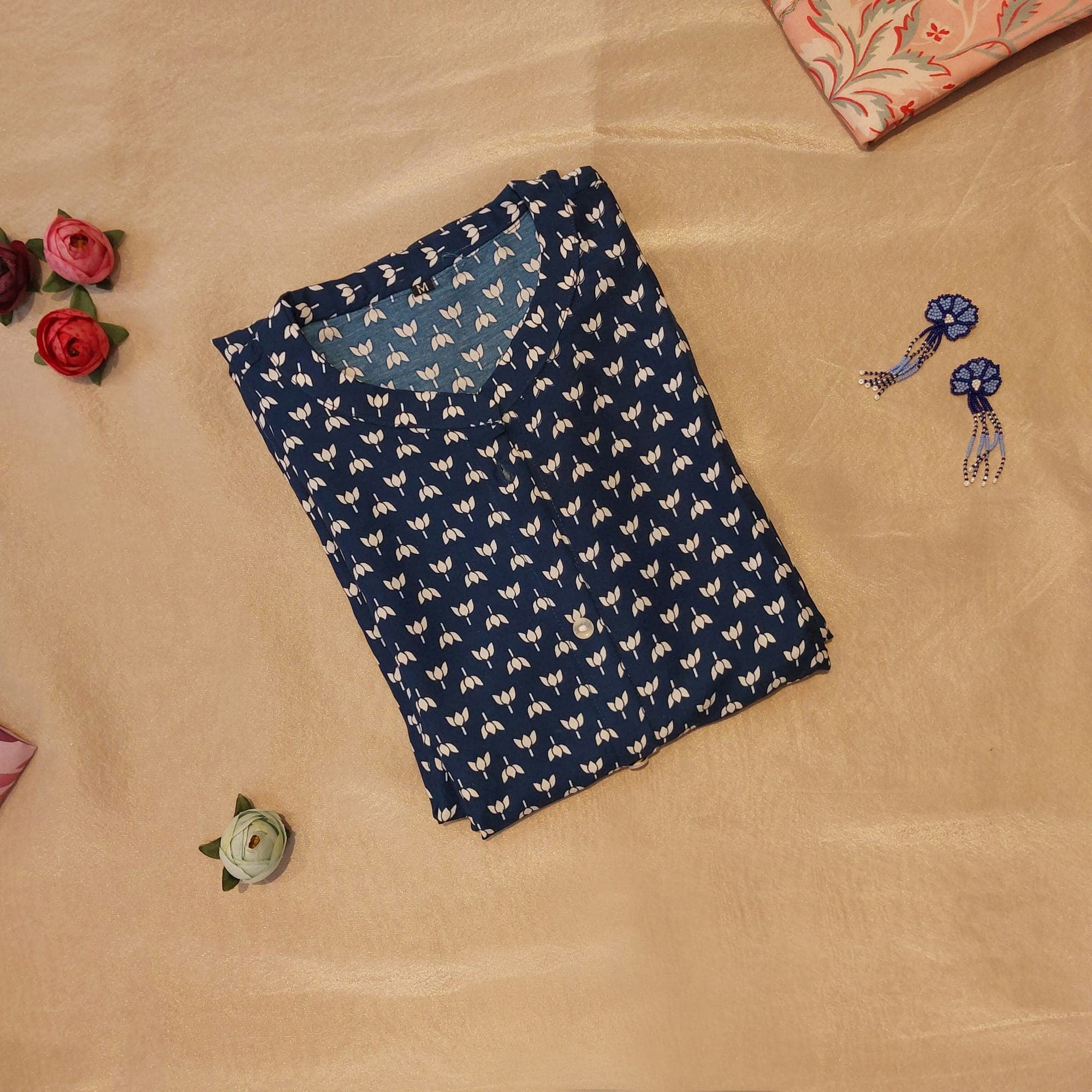
Eastern wear is the name Pakistani shops and brands give to South Asian clothing: the shalwar kameez, kurtas and kurtis, gharara, sharara, lehenga, saree, angrakha, dupattas and shawls. Western wear is everything cut in the European style, such as jeans, dresses, shirts, skirts, jackets and T-shirts. The words describe the style of the clothes, not where they are made or sold.
You will see the split on brand websites and in department stores in Pakistan, and hear it in conversation: something eastern for a family wedding, something western for a casual outing. Desi, from desh (country or homeland), is a broader everyday word for anything South Asian, so “desi clothes” and “eastern wear” usually mean the same thing.
What usually goes in each section
Every shop draws the line a little differently, but this is the usual pattern.
- Eastern: two- and three-piece shalwar kameez, kurtas and kurtis, the shalwars, churidars and trousers made to go with them, gharara and sharara sets, lehengas, dupattas, shawls and waistcoats worn over a kameez.
- Western: dresses, jumpsuits, tops, shirts and blouses, skirts, jeans, trousers cut to be worn without a tunic, coats and blazers.
- Fusion or eastern-western: a third section some shops add for pieces that sit in between.
Where the line blurs
Plenty of clothes belong to both worlds. A short kurti worn with jeans, a co-ord set of tunic and wide trousers, a shirt dress with a band collar or a loose kaftan can be filed under either heading, or under fusion. Our ideas for kurtas with western pieces and the co-ord sets guide show how far the mixing goes.
So the label tells you where to look in a shop, not how formal or traditional the garment is. Eastern wear includes very modern cuts, and western wear can be as modest as you like.
Why sizes differ between the two
Ready-made eastern wear is usually sized on a brand’s own chart, often small, medium and large or a chest width, with generous ease because a kameez is meant to be worn loose. Western wear in the same shop may use numeric sizes and a closer cut. That is how one woman ends up a medium in kameez and a size ten in dresses from the same label.
The measurements that matter also differ. In eastern clothes kameez length, ghera (hem width) and armhole matter most; in western clothes waist shaping, hip and back length matter more. Our pages on brand size charts vs made to measure and body vs garment measurements explain why your own measurements are the safer starting point.
Ordering either kind made to measure
We make both: shalwar kameez, kurtas, co-ords, abayas and Western pieces such as dresses, skirts, tops and trousers, all to your measurements. On the quote form you pick an outfit type, so choose a shalwar kameez or kurta for eastern pieces and Western wear for dresses and the like, then describe the details in your notes. Made-to-measure western dresses covers the western side, and our custom stitching service explains how an order works. Start your quote with a photo of the look you want.
Common questions
Is a kurta with jeans eastern or western?
Both, really. The kurta is eastern and the jeans are western, so most people would call the outfit fusion. Shops usually list the kurta itself under eastern wear.
Does eastern wear mean traditional clothes?
Not necessarily. Eastern wear covers very modern cuts too, such as short kurtis, co-ords and cigarette trousers. It means the garments come from the South Asian wardrobe, whatever their design.
