Fabrics and care · 8 October 2026 · 3 min read
What is bemberg chiffon (bamber chiffon)?
What is bemberg chiffon, or bamber chiffon? The name comes from a regenerated cellulose yarn, neither silk nor polyester, so the label and the feel decide.
 Inspiration
Bemberg chiffon in brief
Bemberg chiffon, often written bamber chiffon in Pakistani listings, is a soft, matt, lightweight chiffon named after Bemberg, a trade name for cupro. Cupro is a regenerated cellulose fibre made from cotton linters, the short fuzz left on cotton seeds once the long fibres are taken off. So strictly speaking, bemberg is neither silk nor polyester: it belongs to the same plant-based family as viscose.
In practice the name is used loosely. Many fabrics sold as bamber chiffon are polyester or blends finished to feel soft and matt, so the name tells you about the look the seller is aiming for, while the label and the feel tell you what you are actually buying.
What cupro is like
Cupro is made by dissolving cellulose and pushing it through tiny holes to form very fine filaments. It has long been used as a lining in tailored jackets, because it is smooth, breathable and builds up less static than polyester.
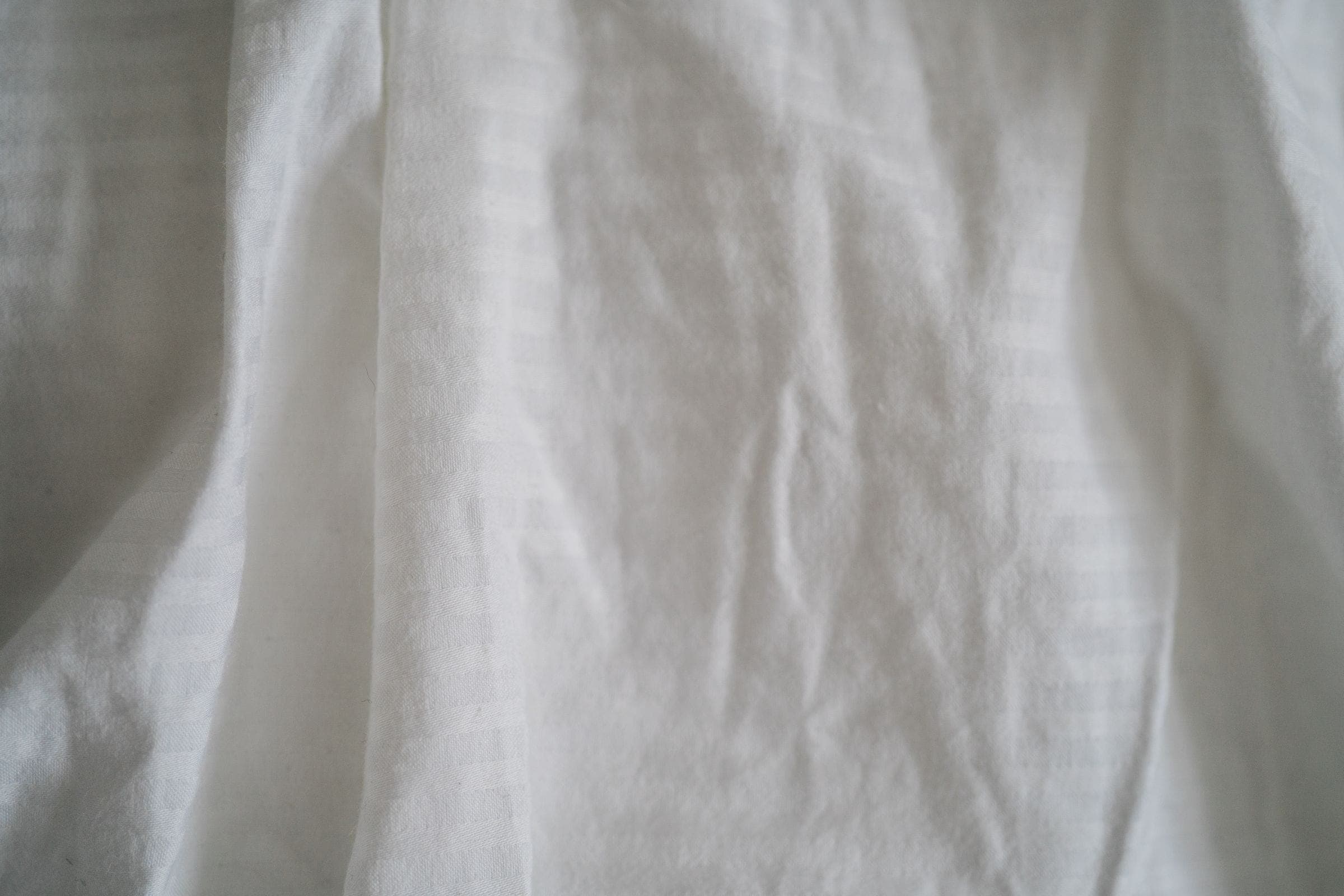
- Hand: soft and silky, with a gentle, almost peach-like touch.
- Look: a low, matt lustre rather than a shine.
- Comfort: it absorbs moisture and breathes, so it feels cool.
- Drape: fluid and heavy for its weight, falling close to the body.
- Care: weaker when wet and prone to shrinking or water marks, so gentle washing matters.
Bamber chiffon vs ordinary chiffon
Most chiffon sold for dupattas today is polyester: crisp to the touch, slightly springy and shinier. A true cupro chiffon feels softer and drier and falls more heavily, and silk chiffon is lighter still, with a fine, faintly grainy feel. Our comparison of georgette and chiffon and our chiffon guide cover the wider family.
Labels are often missing, so a few home checks help. Use a tiny offcut or a thread from the seam allowance, never the visible fabric.
- Feel: cellulose fibres feel cooler and less slippery than polyester.
- Creasing: crush a corner. Cupro and viscose crease more readily than polyester.
- Water: a drop soaks into cellulose but tends to bead on polyester.
- Ask the seller: a fabric shop can usually confirm the fibre from the bolt label or its supplier, which is safer and more reliable than any home test.
Why the label and the feel decide
The same name covers fabrics that behave very differently in the wash and in wear. Real cupro can shrink and needs gentle care; polyester holds its size and dries fast but feels warmer. If a listing says bamber chiffon and gives no composition, ask the seller, or describe the feel when you send it to us. Our article on describing unlabelled fabric lists the details that help.
Using it in an outfit
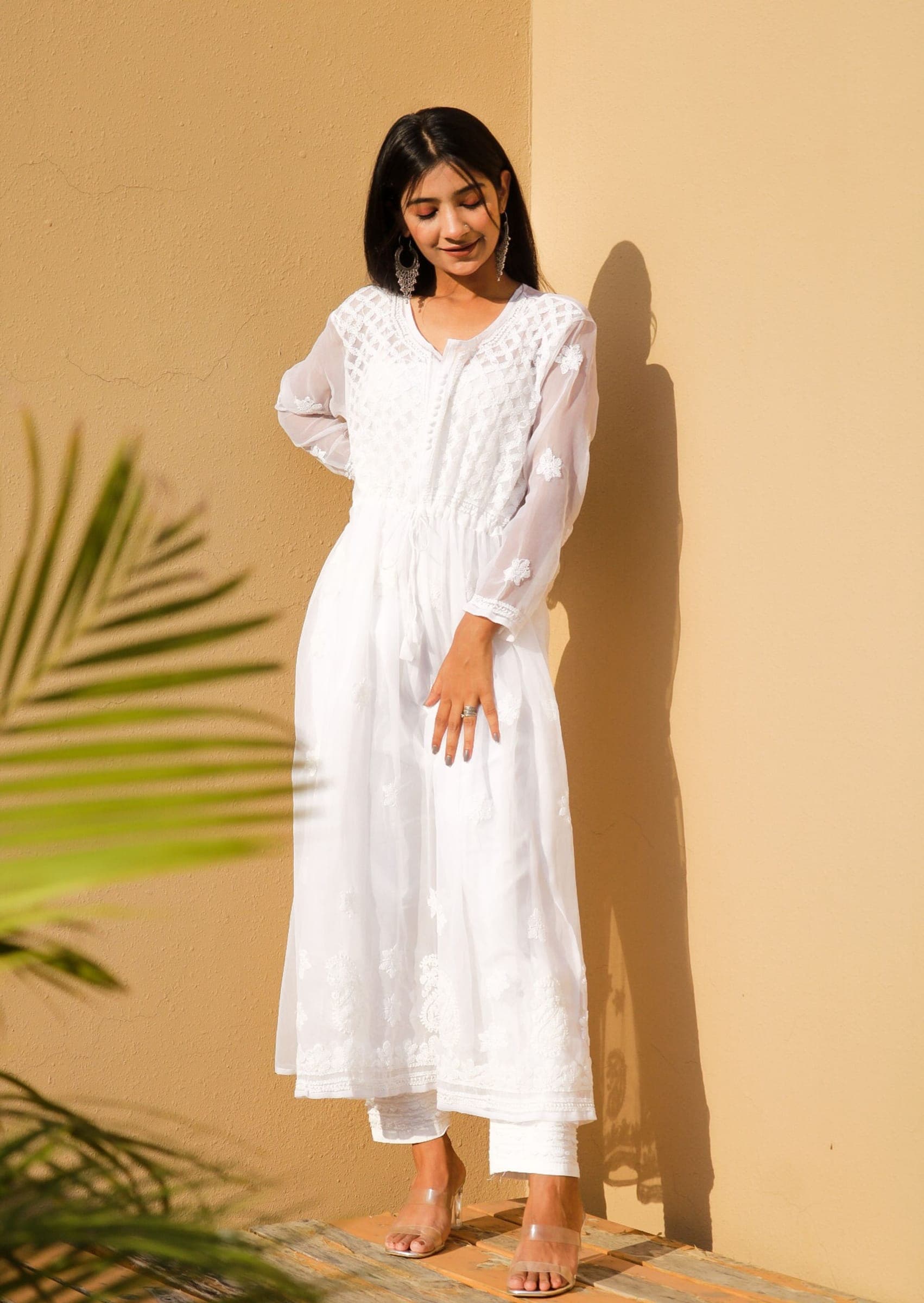
Its soft, matt fall makes bemberg-type chiffon popular for dupattas, sleeves and overlays where a crisp polyester would look stiff. As a kameez it needs a lining or an inner slip, like any chiffon. If it is cupro, a test wash before cutting is worth considering; our article on viscose and rayon kurtas explains how cellulose fabrics shrink.
To have a bamber chiffon suit made up, send photos and any label for Stitching Only. We confirm suitability before you post anything; begin on the stitching quote form.
Common questions
Is bemberg the same as silk?
No. Bemberg, or cupro, is a regenerated cellulose fibre made from cotton linters. It feels soft and silky, which is why it is compared with silk, but it is a different fibre.
Does bamber chiffon need special care?
If it is genuine cupro, yes: wash it gently in cool water, do not wring it, and dry it flat or on a hanger. If it is polyester, it is easier to look after. Follow the label in either case.