Fabrics and care · 30 September 2026 · 4 min read
Viscose and rayon kurtas: soft drape, shrinkage and care
What viscose and rayon are, why they drape so softly, why they can shrink or stretch in the wash, and how to stitch, wash and iron viscose so it keeps its shape.
 Inspiration
What viscose and rayon are
Viscose and rayon are the same family of fibre. Both are made from plant cellulose, usually wood pulp, which is processed and spun into a fibre. In the UK and Europe it is usually called viscose; in the USA and on many Indian kurtas it is labelled rayon. Modal and lyocell are related fibres, also made from cellulose.
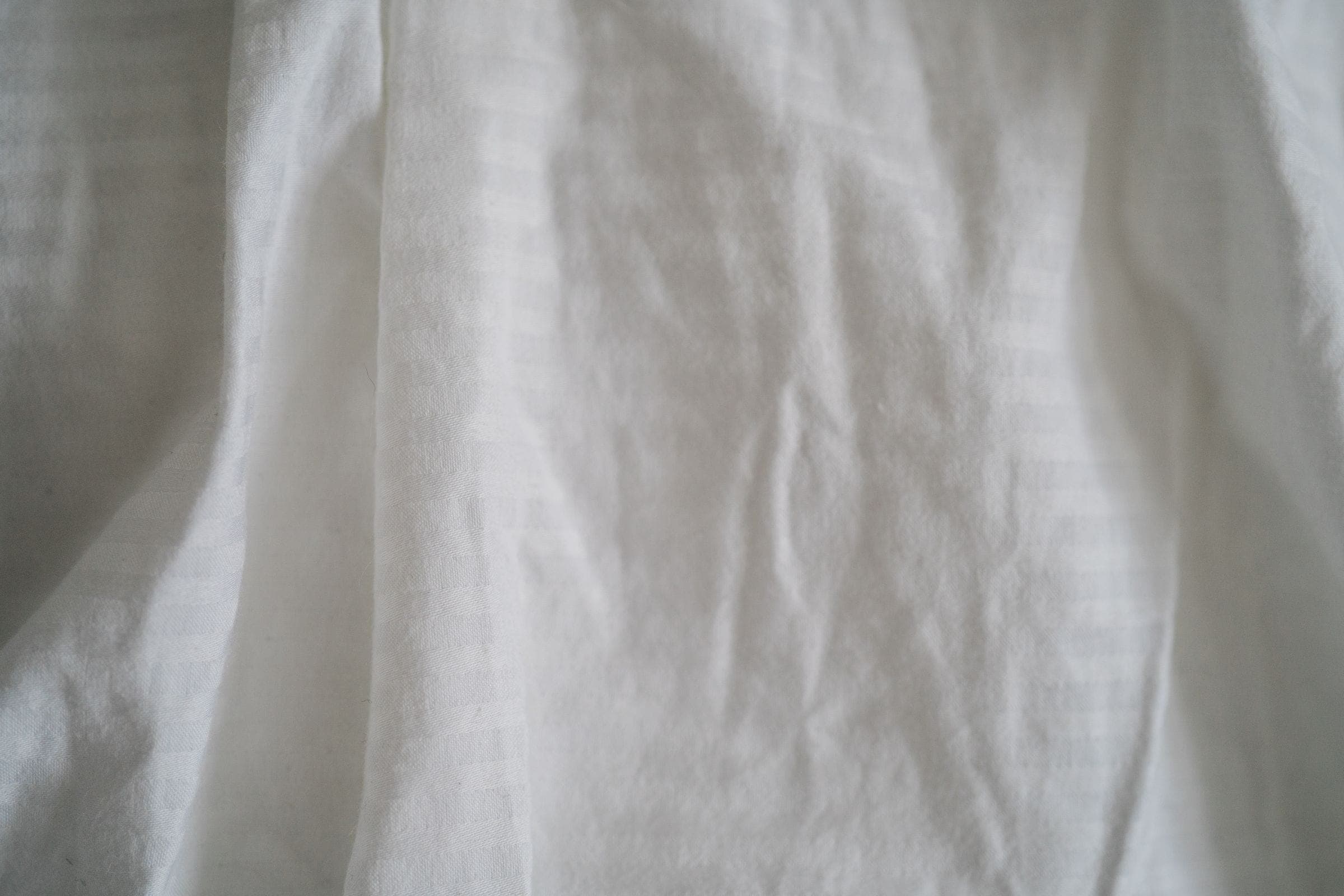
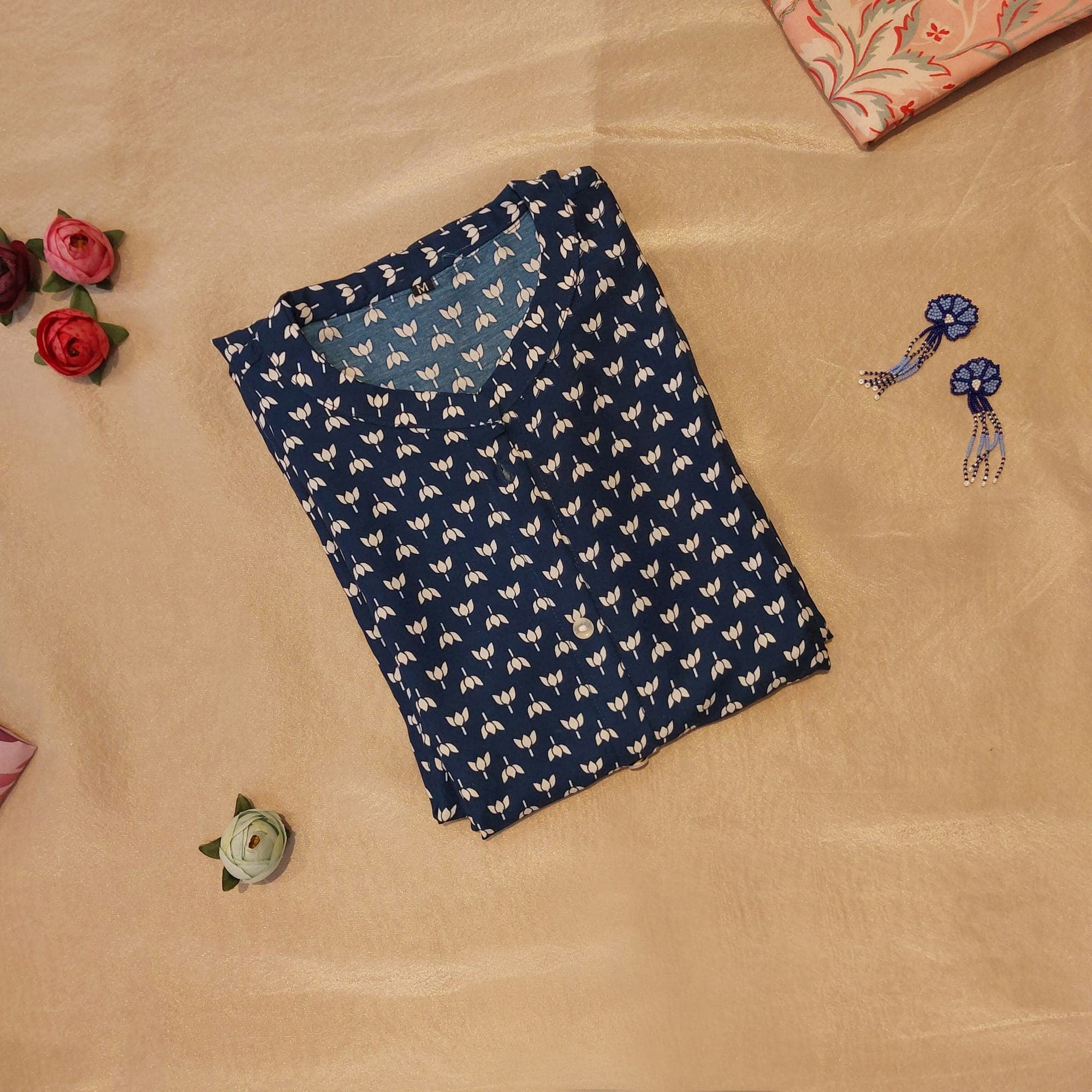
Viscose is popular because it drapes beautifully, feels cool and smooth and takes dye in rich, clear colours. It is breathable and absorbent, so it is comfortable in warm weather. You will find it in printed Indian kurtas, viscose crepe, viscose and linen blends and some winter shawls. Our Indian dress material guide explains how Indian and Pakistani fabric sets differ.
Why viscose behaves differently from cotton
- Weaker when wet: viscose loses much of its strength when wet, so it can stretch, distort or tear if wrung or handled roughly in the wash.
- Shrinkage: viscose can shrink noticeably, especially in warm water or a tumble dryer, and sometimes more than cotton.
- Creasing: it creases readily, though the creases usually drop out with a light steam.
- Drape: it hangs close to the body and moves with you, so it suits flowing cuts.
- Shine: a hot iron on the right side can leave shiny patches.
- Wear: some viscose fabrics pill or wear thin where they rub, such as under the arms and at the seat, so gentle washing helps them last.
Cuts that suit viscose
Viscose’s soft drape suits A-line and gently flared kurtas, kaftan-style kameez, palazzos and relaxed trousers. It is less suited to crisp collars and very structured shapes unless the collar is interfaced. Our kaftan style guide and A-line vs straight guide help you choose a shape.
Because viscose is slippery and can drop slightly as it hangs, it needs careful cutting, and a flared hem is best levelled after the garment has hung for a while. Allow a comfortable amount of ease: a closely fitted viscose kurta that shrinks slightly in its first wash can quickly feel tight. If you are between sizes, tell us, and our ease guide explains how loose is comfortable.
Lighter viscose, such as viscose voile or crepe, can be slightly sheer in pale colours and can cling. A light lining or half lining helps it skim rather than stick; our lining guide covers the options.
Washing and ironing viscose
Follow the care label first: some viscose is dry clean only, and some washes well on a cool, gentle cycle. Where washing is allowed, these habits help, and any new method is worth testing on a hidden area first.
- Cool water, gentle cycle or hand wash: heat encourages shrinkage.
- Do not wring: roll the kurta in a towel and press the water out instead.
- Dry flat or on a padded hanger: a heavy wet kurta can stretch on a thin hanger, so reshape it while damp.
- No tumble dryer: it is one of the most common reasons a viscose kurta shrinks.
- Iron inside out on a low to medium setting, while slightly damp, or steam it instead.
- Wash bright prints separately at first: viscose prints can release dye in early washes, and our colour-fastness test shows whether they will.
Pre-washing and ordering
Because viscose can shrink, many people wash viscose fabric before it is cut, the same way they plan to wash the finished kurta. Our pre-washing guide covers how to do it without fraying the edges. Tell us on the stitching quote form whether the fabric is viscose or rayon, whether it has been washed and how you like the fit. The custom stitching page explains the rest. If a viscose kurta you already own has shrunk or stretched, a local tailor who can see it on you is the person to ask whether it can be let out or reshaped. If it cannot be altered well, or you would rather have one that fits from the start, we can make a new kurta to your measurements: start a quote.
Common questions
Is viscose the same as rayon?
Yes, broadly. Viscose is a type of rayon made from plant cellulose; viscose is the usual name in the UK and Europe, while rayon is more common on US and Indian labels.
Does viscose shrink?
It can, sometimes noticeably, especially in warm water or a tumble dryer. Washing cool, avoiding the dryer and pre-washing the fabric before stitching all help.
Why has my viscose kurta stretched?
Viscose is weaker when wet, so it can stretch if it is wrung, hung wet on a thin hanger or washed on a rough cycle. Reshape it while damp and dry it flat or on a padded hanger.