
Fabrics and care · 8 October 2026 · 3 min read
What is cotton satin? Satin and sateen
What is cotton satin fabric? Cotton woven in a satin structure for a smooth face and soft lustre. How sateen differs from shiny satin, and which season it suits.
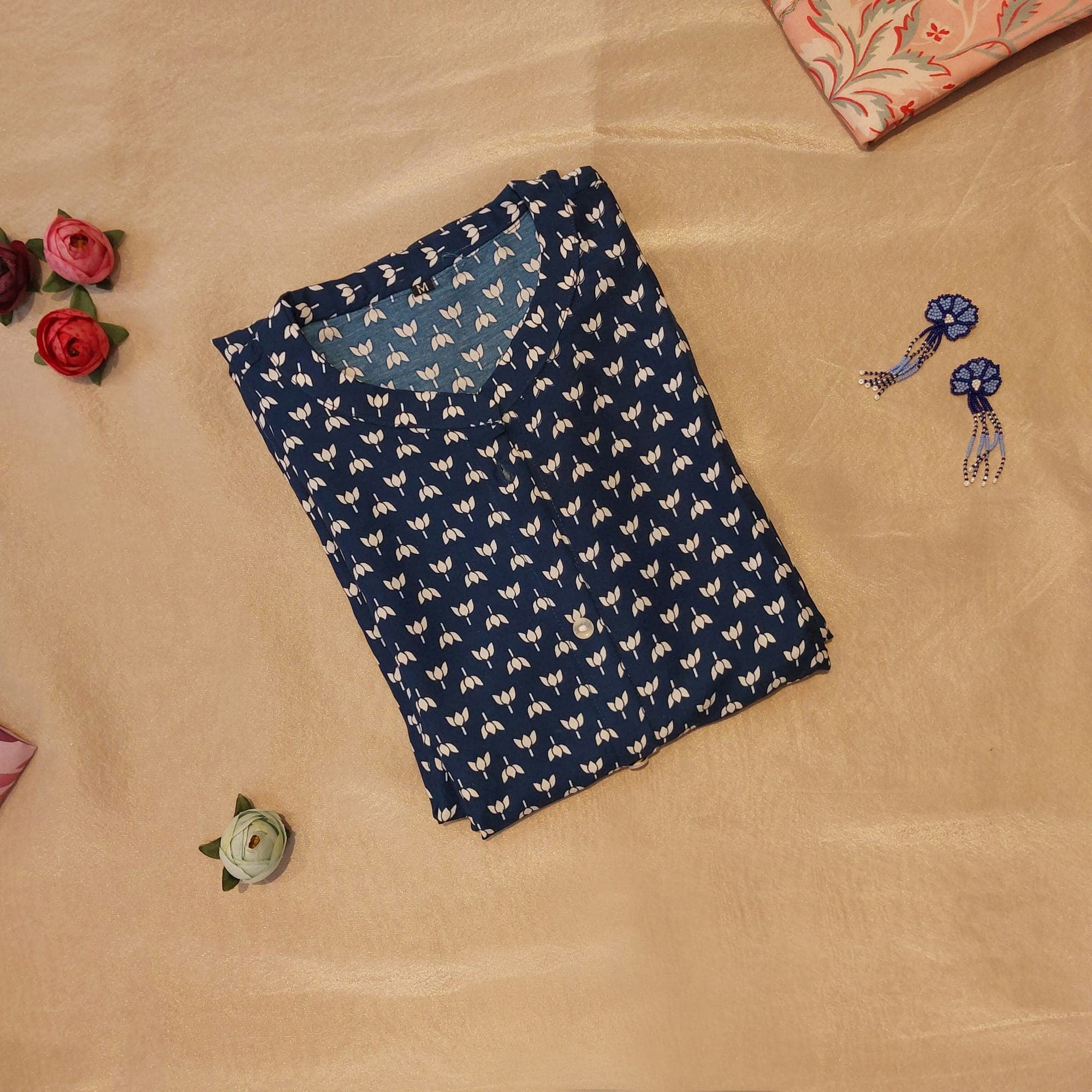 Inspiration
Cotton satin in one paragraph
Cotton satin is cotton woven in a satin structure, which gives it a smooth, dense face with a soft lustre and a duller back. The textile name for it is sateen. It is heavier and warmer than lawn, drapes with a little weight and takes print in rich, deep colour, which is why Pakistani brands bring it out in their autumn and winter collections.
Why it is smooth: the weave
In a plain weave such as lawn, every thread goes over one and under one, so the surface is a tight grid of tiny bumps. In a satin structure, each thread passes over four or more threads before it dips under one, and those dips are scattered so that they never line up. Long stretches of yarn lie flat on the surface and reflect light evenly. That is where the smoothness and the glow come from.
The same structure lets the yarns sit very close together, so cotton satin is dense and opaque. It is also why the surface needs a little care: the long floats can snag or roughen with hard rubbing, and the lustre dulls if the fabric is scrubbed or washed harshly.
Satin and sateen are not the same thing
Satin and sateen share a weave idea but not a look.
- Satin: traditionally made from long, smooth filament yarns such as silk or polyester, with the lengthwise threads floating on the face. The result is glossy and slippery.
- Sateen: made from spun yarns, almost always cotton, usually with the crosswise threads floating on the face. The result is a soft sheen, not a shine, and it still feels like cotton.
- Cotton satin on a label: a sateen. If a fabric is very shiny and slides through your fingers, it is polyester satin, whatever the name says.
Which season is cotton satin for?
The cool part of the year. Its density holds warmth better than lawn or cambric, so it is comfortable in autumn, through a mild winter and on spring evenings, and it suits air-conditioned offices at any time. It is not a fabric for the hottest months, and in a properly cold winter it needs a layer underneath or a shawl on top. For the heavier cold-weather cloths, our winter fabrics guide compares khaddar, karandi and marina.
What it suits
Cotton satin has enough body for clean, tailored shapes and enough softness to hang well. It rarely needs lining. Treat it as cotton for shrinkage, so mention whether it has been washed, and press it on the reverse to protect the face.
- Kameez and long shirts: a straight kameez or gentle A-line shows off the smooth surface and any print.
- Trousers: its density and slight sheen make smart cigarette pants and straight trousers that stay opaque. Some cotton sateen includes a touch of elastane for this reason.
- Collars and plackets: it presses flat and holds an edge.
- Less suited to: heavy gathers and very full flares, where the dense cloth becomes bulky.
Asking for it
With Fabric + Stitching, describe the feel you want, smooth, opaque and softly lustrous for cooler weather, and we propose a fabric in your quote and agree it with you before cutting. If you already have an unstitched cotton satin suit, send photos of each piece and the label with a Stitching Only quote, and we confirm it suits your design before you post it.
Common questions
Is cotton satin shiny?
Only softly. It has a low, even lustre on the face and a matt back, nothing like the mirror shine of polyester satin. The sheen fades a little with washing.
Is cotton satin warm enough for winter?
For a mild winter, yes. It is denser and warmer than lawn or cambric, but lighter than khaddar. In colder weather, wear a thermal layer under it or a shawl over it.
Does cotton satin shrink?
It can, like other cotton. Pre-washing the plain pieces before cutting, if the label allows, settles it, and washing cool afterwards keeps both the size and the sheen.
