
Occasions and ordering · 8 October 2026 · 3 min read
What to wear when a rishta family visits
What to wear for a rishta meeting at home: a neat, comfortable suit that feels like you, with sleeves and a dupatta that stay out of the way when you serve tea.
 Inspiration
Neat, comfortable and recognisably you
When a rishta family visits, wear a neat, well-pressed suit in a soft or clear colour, no dressier than you would wear to a family dawat, with sleeves and a dupatta that will not get in your way if you serve tea. Above all, wear something you feel like yourself in, because the point of the meeting is for people to talk to you.
This is a narrower occasion than a general family gathering. It usually happens at home, it is often the first time two families meet, and you may be asked to bring in the tray. Our dawat outfit guide covers dressing as a host more broadly.
Smart, not wedding smart
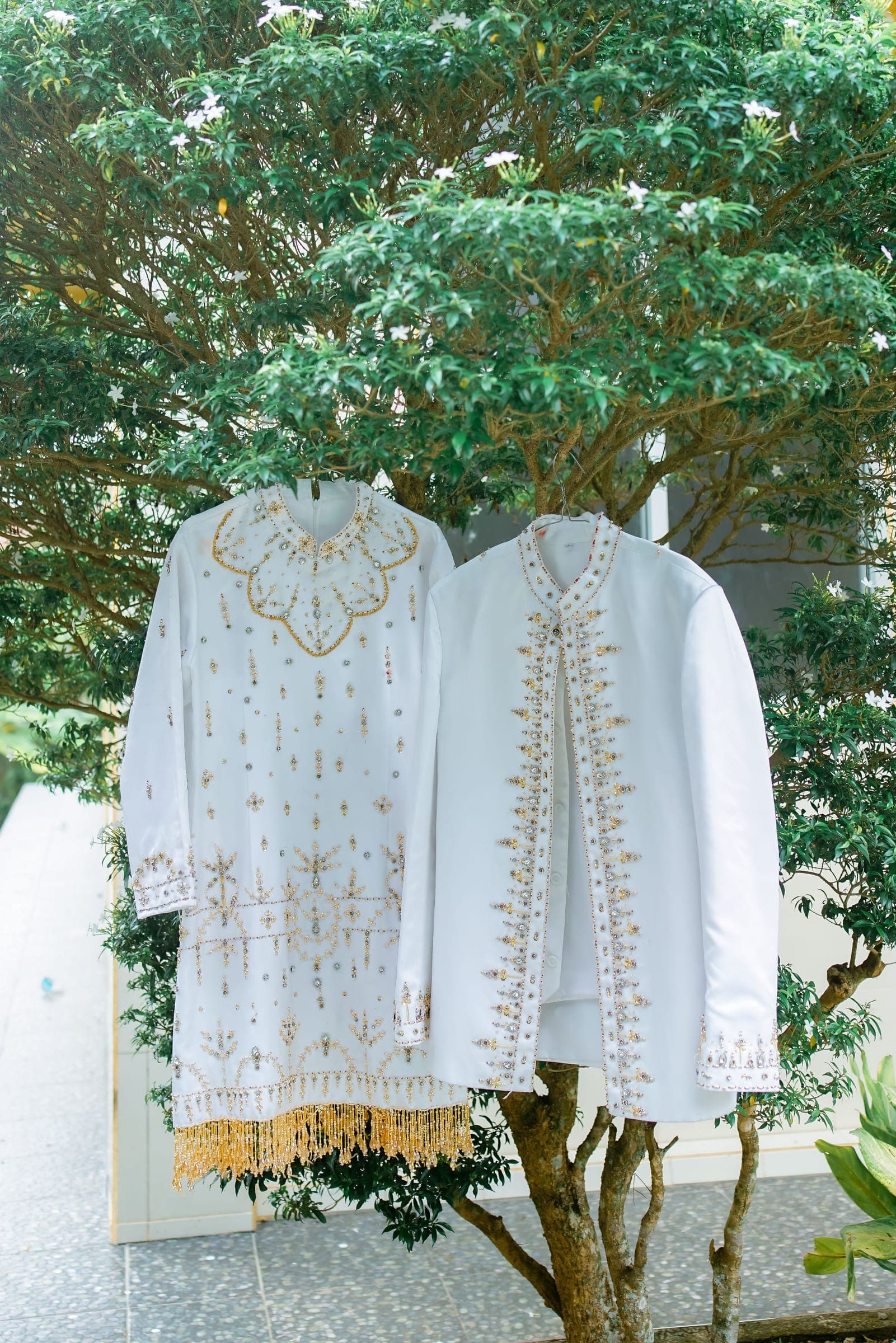
A heavily embroidered party suit can feel like too much in a sitting room in the afternoon, and it can make you self-conscious. A good cotton, cambric or lawn suit with light embroidery, or a plain suit with a nice dupatta, looks cared for without looking staged.
What matters more than the outfit’s cost is that it is clean, ironed and comfortable: no loose threads, no hem that has dropped, nothing that needs constant adjusting. Light jewellery and make-up in the style you normally wear are enough.
Colour and print
Soft and clear mid tones photograph well and feel warm in a home: peach, powder blue, soft pink, sage, mustard, lilac, or white with colour. Small prints and tonal embroidery look polished. Some families read all black as sombre for a happy occasion, so if you love dark colours, a deep green, navy or wine is a gentle middle ground.
There is no colour that will make a better impression than another. Choose the one you are comfortable in.
Sleeves, dupatta and fit for serving tea
If you will carry a tray, pour or hand round plates, a few practical choices save an awkward moment.
- Sleeves: three-quarter sleeves or closer full sleeves stay clear of cups. Wide bell sleeves look lovely but can dip into a teacup.
- Dupatta: a cotton or lightly textured one grips better than slippery chiffon. Pin it at one shoulder, so it does not slide forwards when you bend over the table.
- Head covering: if the family is traditional, your mother or an aunt may suggest covering your head. Practise with the dupatta beforehand.
- Fit: enough room through the shoulders and arms to reach and bend. A kameez cut too close pulls when you lean forward.
- Shoes: comfortable indoor sandals or flats you will not trip in while carrying a tray.
If you rarely wear shalwar kameez
If you usually wear Western clothes, an abaya or a simple kurta and jeans, there is no need to dress as someone else. A smarter version of what you normally wear, such as a long dress with a scarf or a tidy kurta with straight trousers, tells the visitors more about you than an unfamiliar outfit would.
If you would like a suit made for meetings like this, our Fabric + Stitching service makes it to your measurements, with the colour and fabric agreed in the written quote. Request a quote and mention the sleeve and dupatta points above. Making takes 5 to 7 working days after approval and full payment, plus shipping. For other gathering ideas, see weekend and gathering outfits.
Common questions
Should I wear something new for a rishta meeting?
Only if you have worn it once already and know it is comfortable. A familiar suit you feel good in is a far better choice than something new that pulls or creases.
Do I need heavy make-up and jewellery?
No. Wear the amount you normally wear for a family gathering. Looking like yourself helps the conversation more than looking dressed up.
What should I wear when we visit their home in return?
The same level of dress: a neat, comfortable suit and a dupatta. You will not be serving, so a wider sleeve or a softer dupatta is fine.
