Fabric guide
Linen Fabric: What It Is and How to Stitch It
Quick answer
Linen is woven from flax: strong, absorbent and quick to dry, with a textured weave that creases easily and softens with every wash. In Pakistan it’s sold in both summer and winter collections, and “linen” on a label can mean pure linen or a blend. Relaxed cuts suit it best.
What linen is
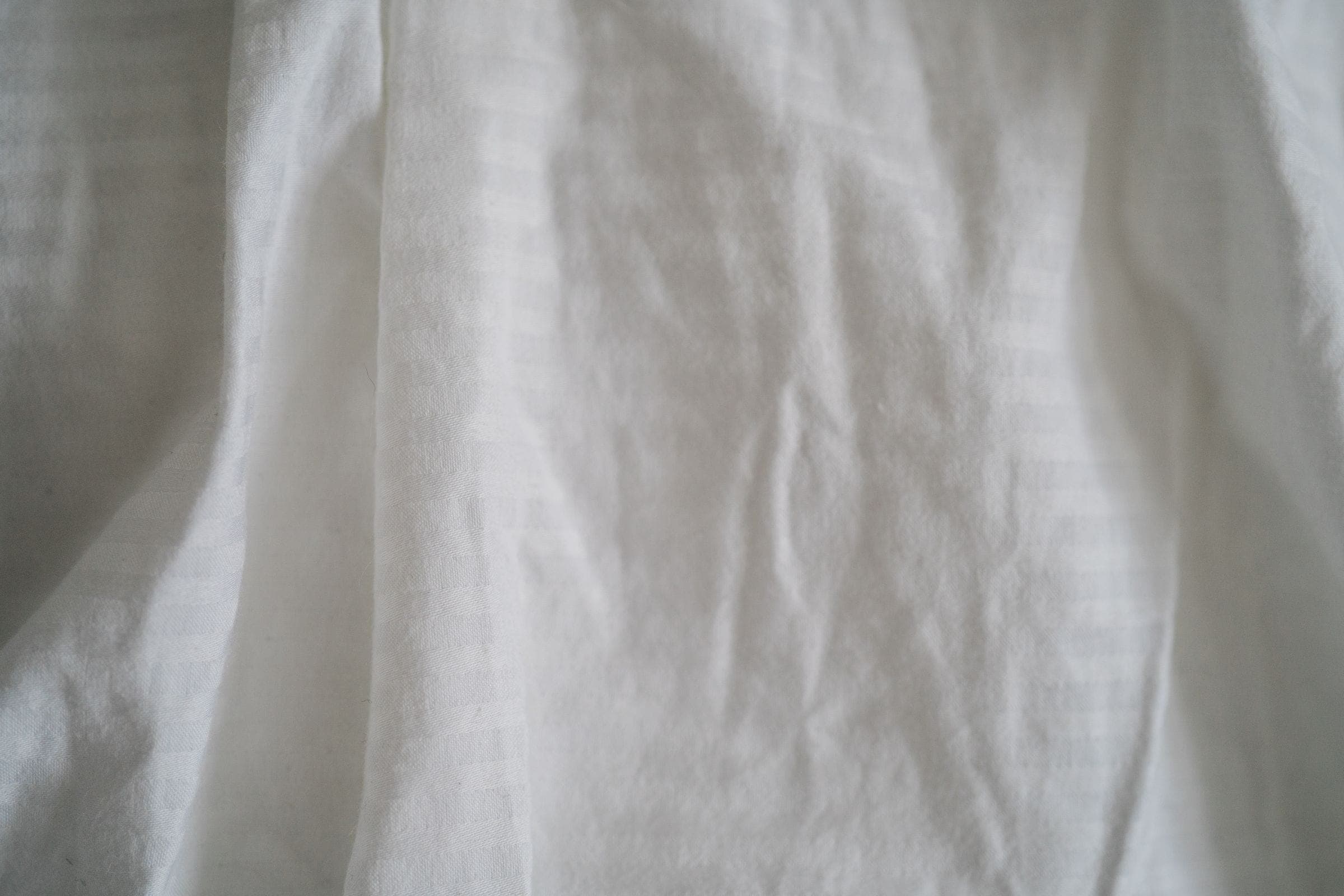
True linen is woven from the fibres of the flax plant. It’s strong, absorbent and dries quickly, and its slightly open, textured weave has a natural slub. Pakistani brands use the name more loosely: a suit labelled linen can be pure linen or a linen blend, and the weight ranges from fine summer linen to the heavier linen in winter collections. The label tells you which you have.
How it feels and when to wear it
Linen feels crisp when new and softens with wear. It creases readily, which is part of its character; blends and heavier weights crease less. Brands disagree on its season: some sell linen as summer wear, others list it for winter. Both are right in their way. Fine linen is cool in the heat, and heavier linen suits Pakistan’s milder winter days, or colder ones with a layer underneath. Our hot-weather outfit ideas show linen in summer.
What to stitch from linen
Linen has little stretch and a crisp drape, so leave a comfortable amount of ease: creases show most where fabric is under strain. A relaxed straight kameez or gently A-line kameez, a band collar with a placket, and side slits all suit it. Wide palazzos or straight trousers make an easy co-ord. Very fitted shapes pull at the seams when you sit or reach, and heavy gathers add bulk.
Lining and finishing
Pale and fine linen can be slightly sheer, so hold it to a window before deciding. A breathable cotton lining or a half lining keeps a summer linen cool without losing coverage; heavier winter linen rarely needs one. Linen frays readily, so seams are neatened carefully, and it takes a crisp press at hems, collars and plackets.
Pre-washing, shrinkage and care
Linen can shrink, sometimes noticeably, and it softens with washing, so pre-washing the plain pieces before cutting is often recommended. Tell us on your quote whether you’ve washed it. Deep and bright dyed linens are worth a colour-fastness test first; our pre-washing guide has the steps. After stitching, follow the label.
- Wash: cool and gentle, with a mild detergent and no bleach.
- Dry: in the shade.
- Iron: while still slightly damp, at the setting the label allows. Our ironing guide has more.
- Store: in breathable cotton bags rather than sealed plastic.
Ordering: Fabric + Stitching or Stitching Only
For Stitching Only, send photos of each linen piece and the label first; we confirm the fabric is suitable and that there’s enough for your design before you send anything. For Fabric + Stitching, tell us whether you want a light linen for summer or a heavier one for cooler months, and the colour; we propose fabric and agree it with you before cutting. There are no free samples. Start on the stitching quote form.
Common questions
Is linen a summer or winter fabric?
Both, depending on the weight, and guides disagree. Fine linen is cool in the heat, while the heavier linen sold in winter collections suits milder winter days.
Does linen shrink?
It can, sometimes noticeably, especially in its first wash. Pre-washing the plain pieces before cutting, then washing cool and drying in the shade, keeps it steady.
Last reviewed 30 September 2026.