Fabrics and care · 30 September 2026 · 4 min read
Organza beyond formal wear: sleeves, dupattas and overlays for every day
How to use organza in everyday outfits: organza dupattas, sleeves and overlays with cotton kurtas, how it behaves when stitched, and how to stop it feeling scratchy.
 Inspiration
What organza is
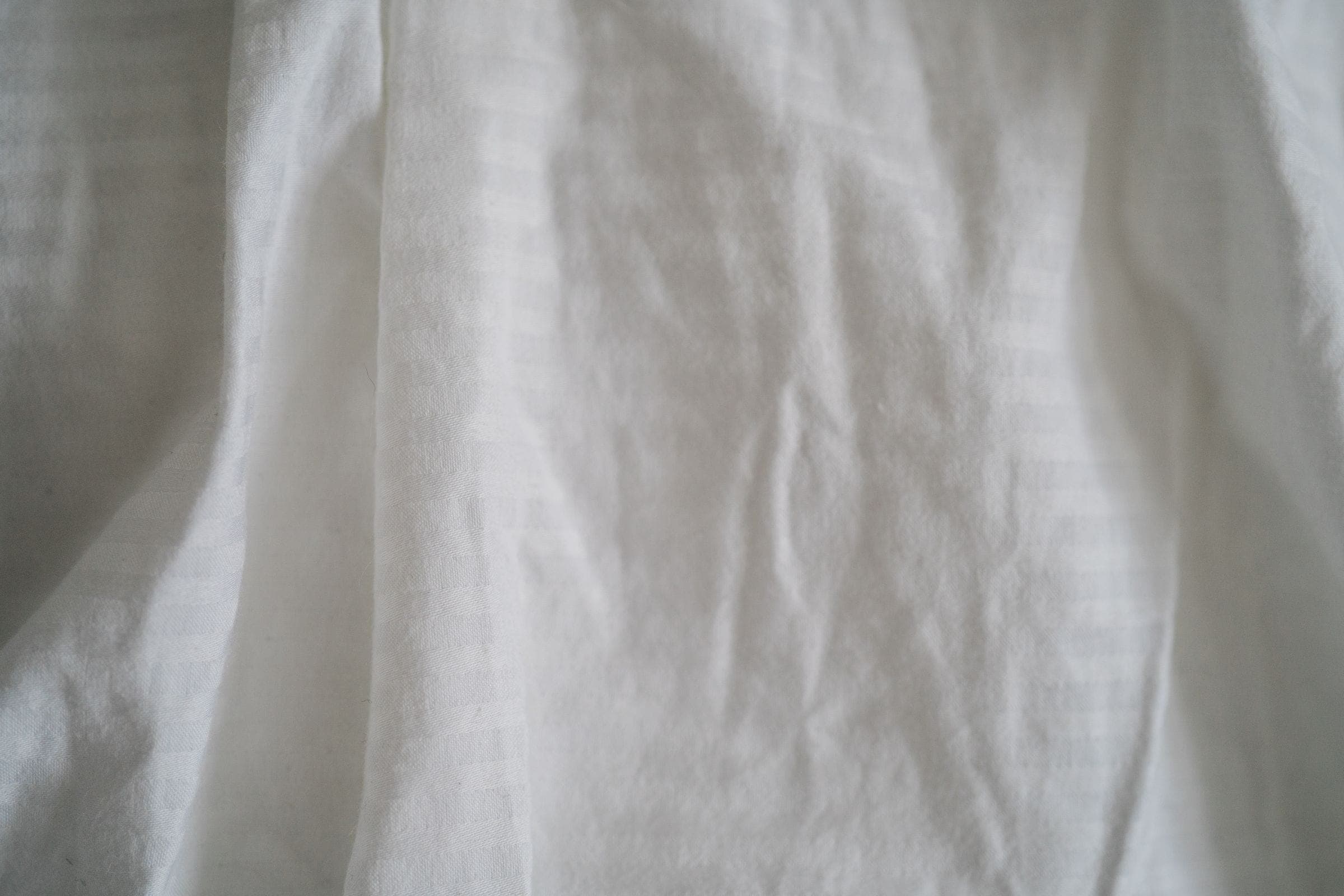
Organza is a thin, sheer fabric with a crisp, almost papery hand. It was traditionally silk; most organza sold today, including the organza in unstitched suits, is polyester or nylon, with silk organza at the luxury end. Where chiffon floats and falls against the body, organza stands away from it and holds a shape, which is why it is used for structured sleeves, crisp dupattas and embroidered borders.
Many brands use organza for embroidered border strips, sleeve panels and dupattas in their festive ranges. Because it is so often seen at formal events, it is easy to forget how well a small amount of organza works in clothes you wear every week.
Everyday ways to use organza
The trick is to use organza as one feature of an outfit rather than the whole of it. These ideas all work for everyday wear.
- An organza dupatta with a cotton kurta: a plain or lightly printed organza dupatta over a cambric or lawn kurta adds polish without heat or weight. Good for Fridays, dinners out and smarter office days.
- Organza sleeves: sheer organza sleeves on a cotton or silk-blend kameez make a simple shape feel special. Straight, gently puffed or cuffed sleeves suit organza best.
- Overlays: a short organza layer over a printed kurta, or an organza front panel, softens a bold print.
- Borders and trims: an organza band at a hem, sleeve or dupatta edge gives a crisp finish to a plain piece.
- Collars and cuffs: a small organza collar or cuff on a plain kurta is subtle enough for work.
How organza behaves when stitched
Organza is sheer and crisp at the same time, which brings a few quirks. Seam allowances show through, so seams are usually enclosed, French seamed or bound. Cut edges fray readily. Needle holes and pressed creases can stay visible, so it helps to settle the design and measurements before cutting, because unpicking and restitching organza can leave marks.
Organza can also feel scratchy against bare skin. That is why organza bodices are lined, and why a soft facing at the armhole or cuff makes organza sleeves more comfortable to wear all day. Read when a kameez needs lining for lining choices, and our net and lace guide for the other sheer fabrics often paired with organza.
Balancing organza with other fabrics
Organza is at its best as a contrast to something softer or more textured. A few guidelines keep it wearable rather than formal.
- Weight: organza sits best over fabrics with some body, such as cambric, cotton silk or raw silk. Over very fine lawn it can overpower the base.
- Prints: a plain organza dupatta calms a busy printed kurta, while a printed organza dupatta works best over a plain base.
- Colour: tone-on-tone organza looks refined; a contrast organza dupatta turns a plain kurta into an outfit.
- Volume: because organza stands out from the body, keep one feature in organza, such as the sleeves or the dupatta, for an everyday look.
- Coats and bags: full organza sleeves crush under a fitted coat and snag on bag straps, so shorter or straighter sleeves are more practical for daily wear.
Care and ordering
Plain organza can often be hand washed in cool water, while embroidered organza is usually safer dry cleaned. Press it on a low heat through a pressing cloth, or steam it, after testing an inside seam, and always follow the care label. Organza creases sharply, so store it hanging or loosely rolled rather than tightly folded; our storage guide explains how.
To have a new outfit made with organza sleeves or an overlay, tell us on the stitching quote form which pieces are organza and which are the base fabric, with photos in daylight. If you would like us to supply the organza, ask for a Fabric + Stitching quote and describe the colour; we’ll confirm what is possible in your written quote. The custom stitching page explains the rest.
Common questions
Is organza comfortable for everyday wear?
It can be, in small amounts. An organza dupatta or organza sleeves with a soft facing are comfortable; a full organza kameez needs a smooth lining because organza can feel scratchy against the skin.
Does organza crease easily?
Yes, organza creases sharply and a fold can stay visible. Store it hanging or loosely rolled, and remove creases with a low iron through a pressing cloth or a gentle steam, after testing a hidden area.
Can organza be washed at home?
Plain organza can often be hand washed in cool water, but embroidered or embellished organza is usually safer dry cleaned. Follow the care label, and do not wring or twist it.