Fabrics and care · 8 October 2026 · 3 min read
Khaddar vs linen: which for a winter suit?
Khaddar vs linen for a winter suit: which is warmer, how each feels, how much they crease and which looks smarter, so you can choose the right base before you order.
 Inspiration
The short answer
For warmth on a properly cold day, khaddar usually wins: it is thicker, denser and cosier against the skin. Linen, even the heavier linen sold in winter collections, is the crisper and smarter of the two but stays cooler, so it suits mild winter days, heated offices and layering. Both names are used loosely, so the weight and fibre on the label matter more than the name.
Our khaddar guide and linen guide cover each fabric on its own, and the winter fabrics overview compares four. This page puts just these two side by side.
Why the thicker cloth feels warmer
Warmth in clothing comes mostly from still air trapped in and between the fibres. Khaddar is woven from fairly thick, soft yarns into a dense cloth with a slightly fuzzy surface, which holds a layer of warm air close to you. Flax, the fibre of true linen, is smooth and absorbent and draws heat away from the skin, which is exactly why it is loved in summer. A heavy linen blocks wind better than a fine one, but it still feels cool when you first put it on.
Blends shift the picture. Linen mixed with viscose or polyester feels less cool and creases less, and a khaddar with synthetic fibre in it may be lighter than it looks. The composition line on the label is where you find out.
Texture, creasing and looks, point by point
Side by side, the differences are easy to see and feel.
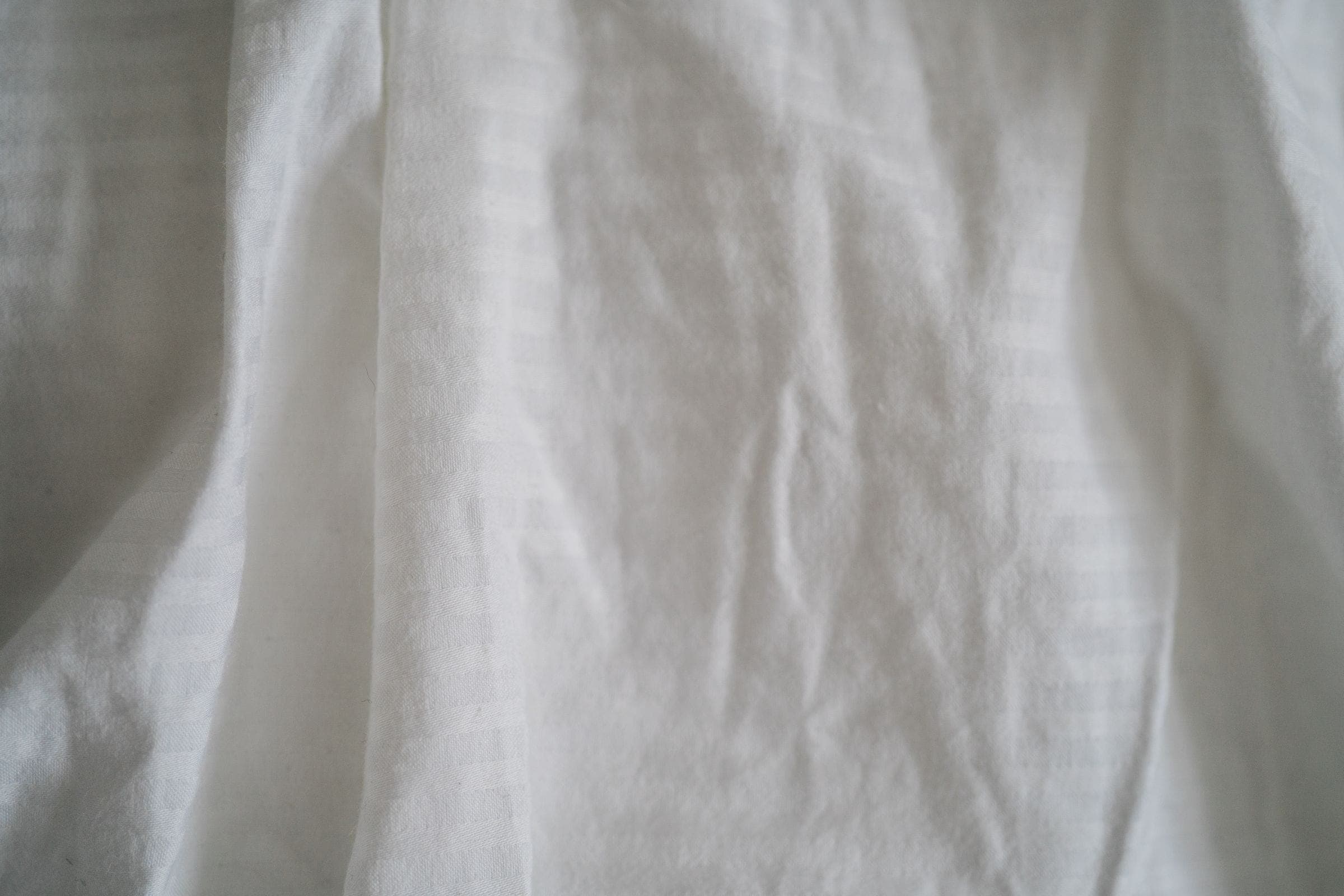
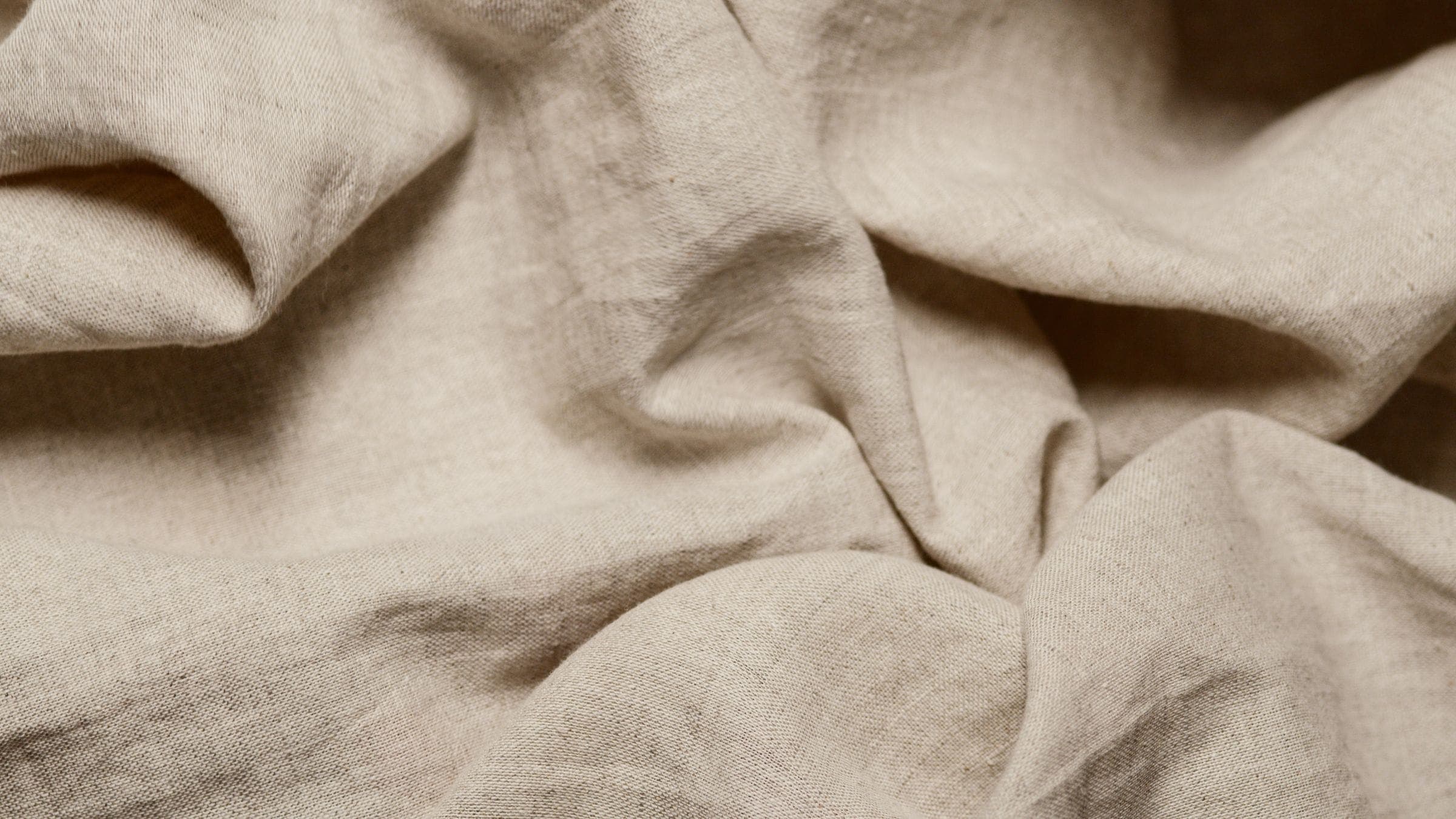
- Surface: khaddar is matt, with a visible, slightly irregular weave. Linen has its own slub, small thicker places in the yarn, and a faint natural lustre.
- Hand: khaddar is soft and dense from the start. Linen feels crisp when new and relaxes over many washes.
- Creasing: linen creases quickly at the elbows, the lap and behind the knees. Khaddar creases less, and its texture hides what it does pick up.
- Pilling: khaddar can bobble where it rubs, such as under a bag strap. Linen’s long fibres rarely pill.
- Smartness: a pressed linen kameez with a band collar looks sharp at work. Khaddar reads as relaxed and homely, which is its charm.
Choosing between them
Think about the coldest place you will wear the suit, not the average day. Both fabrics suit relaxed shapes such as a straight kameez better than very fitted ones, so the cut need not decide it.
- Pick khaddar for cold houses, outdoor errands, school runs and long winter evenings, or if you dislike ironing.
- Pick linen for heated offices, milder winter weeks and smart daytime plans, if you like a crisp look and can live with creases.
- Either works with layers: in a truly cold climate, both sit over a thermal with a shawl or coat on top. Mention any layers on your quote so the ease allows for them.
Ordering a khaddar or linen suit
With Fabric + Stitching, tell us which of the two you lean towards, how warm you want the suit to feel and where you will wear it. We propose a fabric with photos and a description in your written quote and agree it before cutting. There are no free samples, so describe the weight you like in words. If you already own a khaddar or linen suit, send photos and the label with a stitching request and say whether it has been washed, since both can shrink in their first wash.
Common questions
Is linen warm enough for winter?
Heavier linen is comfortable on mild winter days and indoors, but on its own it feels cooler than khaddar. In a cold climate, wear it over a thermal layer with a shawl or coat.
Which creases less, khaddar or linen?
Khaddar. Linen creases readily whatever its weight, although blends with viscose or polyester crease less than pure linen.
Do both need washing before they are cut?
Both can shrink in their first wash, so pre-washing the plain pieces before cutting is common advice. Follow the label, and leave embroidered panels unwashed.