
Styles and design · 4 October 2026 · 4 min read
Monochrome and tonal three-piece suits
How to wear a monochrome or tonal three-piece suit: matching shades across fabrics, using texture and tone-on-tone detail, and avoiding the near-miss colour match.
 Inspiration
One colour, three pieces
A monochrome suit uses one colour for the kameez, trousers and dupatta; a tonal suit uses several shades of the same colour, such as a dusty pink kameez with deeper rose trousers and a pale blush dupatta. Both look calm, polished and tall, because nothing breaks the line from shoulder to ankle. The one thing to get right is the match itself: a near-miss between two shades of the same colour looks like a mistake, while a clear step between shades looks chosen.
If you like more contrast, our guide to matching dupatta and trouser colours covers other approaches. This one is for anyone who wants a three-piece suit with dupatta in a single colour family.
Why fabrics rarely match exactly
The same dye looks different on different fibres and weaves. Cotton absorbs colour and looks matte; chiffon and silk reflect light and look brighter; net and organza let skin and lining show through and look paler. So a lawn kameez, cambric trousers and a chiffon dupatta in the same named colour will rarely look identical side by side. That is why tonal dressing is often easier than strict monochrome: you plan for the difference instead of fighting it.
Check the pieces together in daylight, not under indoor lights, and remember that colours on a screen can look slightly different from the real fabric.
Ways to build a tonal suit
Tonal dressing works best with clear steps between shades, roughly the gap you would see between neighbouring colours on a paint card, rather than two shades that are almost but not quite the same.
- Light to dark: palest dupatta near the face, mid-tone kameez, deepest trousers. It grounds the outfit and lifts the face.
- Dark top, light bottom: less usual but striking in summer, such as a deep teal kameez over pale aqua trousers.
- Matching kameez and trousers, toning dupatta: the safest version; the dupatta can be a shade lighter or a different texture.
- Neutral families: cream, ivory, beige and camel layered together look quietly elegant for daytime gatherings.
Texture and tone-on-tone detail
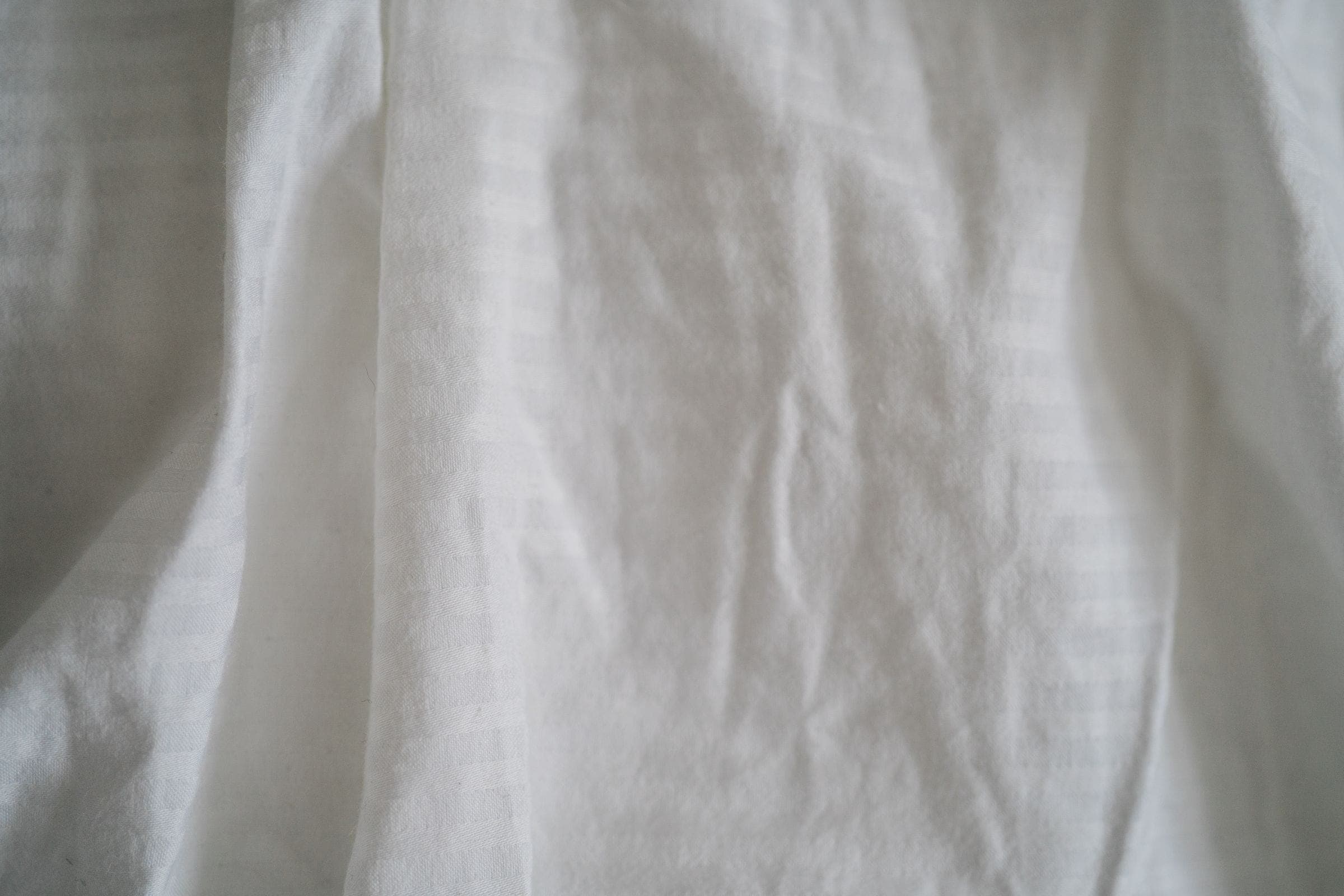
Without colour contrast, texture keeps a monochrome suit interesting. A woven jacquard kameez with plain trousers, a crisp cambric kameez with a soft chiffon dupatta, or a slub cotton with a smooth lining all add depth. Embellishment in the same colour as the fabric, often called tone-on-tone, catches the light without breaking the outfit into pieces; ask for it in your quote and we confirm what is possible on your fabric and design.
Lace, piping and trims can be matched to the base colour or taken a shade deeper for definition. A small contrast, such as a gold or silver edge, adds sparkle without turning the outfit into a colour-blocked look.
Choosing your colour
Monochrome is a strong statement, so choose a colour you already feel good in. Our rule-free colour guide has ideas for testing a shade before you commit. Deep colours, such as navy, bottle green and plum, look rich head to toe; pastels look fresh but show marks more easily. If you are using fabrics bought separately, a quick colour-fastness test protects a pale dupatta from a dark trouser fabric.
Ordering a single-colour suit
The surest way to get matching or deliberately toning shades is to have all three pieces sourced together. With Fabric + Stitching for Kuwait, and everywhere we deliver, we supply the agreed fabric and make the outfit. Describe the colour and whether you want monochrome or tonal, and upload any reference photo. Customers in Kuwait can request a quote for Kuwait; the written quote describes the fabrics and colours before you pay.
Common questions
Will the kameez, trousers and dupatta be exactly the same colour?
Not always, because the same dye looks different on cotton, chiffon and silk. A tonal suit plans for that difference by using deliberate shades of one colour.
How do I stop a one-colour suit looking flat?
Mix textures, such as jacquard with a smooth chiffon, or add embellishment in the same colour as the fabric. A small metallic edge also adds interest without breaking the colour.
Can I send my own fabrics for a tonal suit?
Yes, with Stitching Only. Lay the pieces together in daylight first, and send us photos so we can confirm the fabrics are suitable before you post them.