Embroidery and fancy work · 4 October 2026 · 3 min read
Resham embroidery: a guide to silk thread work
What resham embroidery is, the stitches behind it, which fabrics carry it well, how to keep colours bright in the wash, and how to ask for resham work on a kameez.
 Inspiration
What resham embroidery is
Resham embroidery is thread work in a smooth, glossy floss. The word means silk in Urdu, and the oldest pieces were worked in real silk, but most resham today is viscose or polyester filament, sometimes called art silk. The name now describes the look rather than the fibre: soft colour with a sheen that shifts as the fabric moves.
It is the most familiar kind of embroidery on Pakistani suits. The satin-stitch roses on a lawn neckline, the vine running up a sleeve and the floral border on a chiffon dupatta are nearly always resham, whether worked by hand or by machine.
The stitches behind the look
A resham design is built from a handful of basic stitches. Recognising them helps you describe what you want.
- Satin stitch: long, parallel stitches laid side by side to fill a petal or leaf. This is where the shine comes from.
- Long and short stitch: staggered stitches that blend one shade into the next, used for shaded flowers.
- Stem and chain stitch: lines for stalks, outlines and scrolls.
- French knots: tiny raised dots for flower centres and texture.
- Herringbone and fishbone: criss-cross fills for leaves that need a central vein.
Hand resham and machine resham
Machine resham is dense and even: every motif on the left sleeve matches the right one exactly, and the back shows a neat layer of bobbin thread. Hand resham is softer, with tiny variations in stitch length and a slightly raised feel, and the back shows the knots and jumps of the embroiderer’s path. Both are good; they simply suit different outfits. Our machine or hand embroidery guide compares them placement by placement.
Fabrics and placements that suit resham
Resham is light, so it sits happily on most dress fabrics. On lawn and cambric it gives a fresh summer look; on chiffon and organza it needs a backing so the dense fill does not pucker the sheer cloth; on khaddar and karandi it reads richly in winter. On velvet the pile can swallow fine stitches, so bolder motifs work better there.
- Neckline: the classic place, framing the face. Our neckline styles help you pick a shape first.
- Sleeves and cuffs: a band at the cuff or a vine along the sleeve.
- Daman (hem): a deeper border that balances a long kameez.
- Dupatta: a border on two or four sides, or motifs at the ends.
Colour choices and keeping them bright
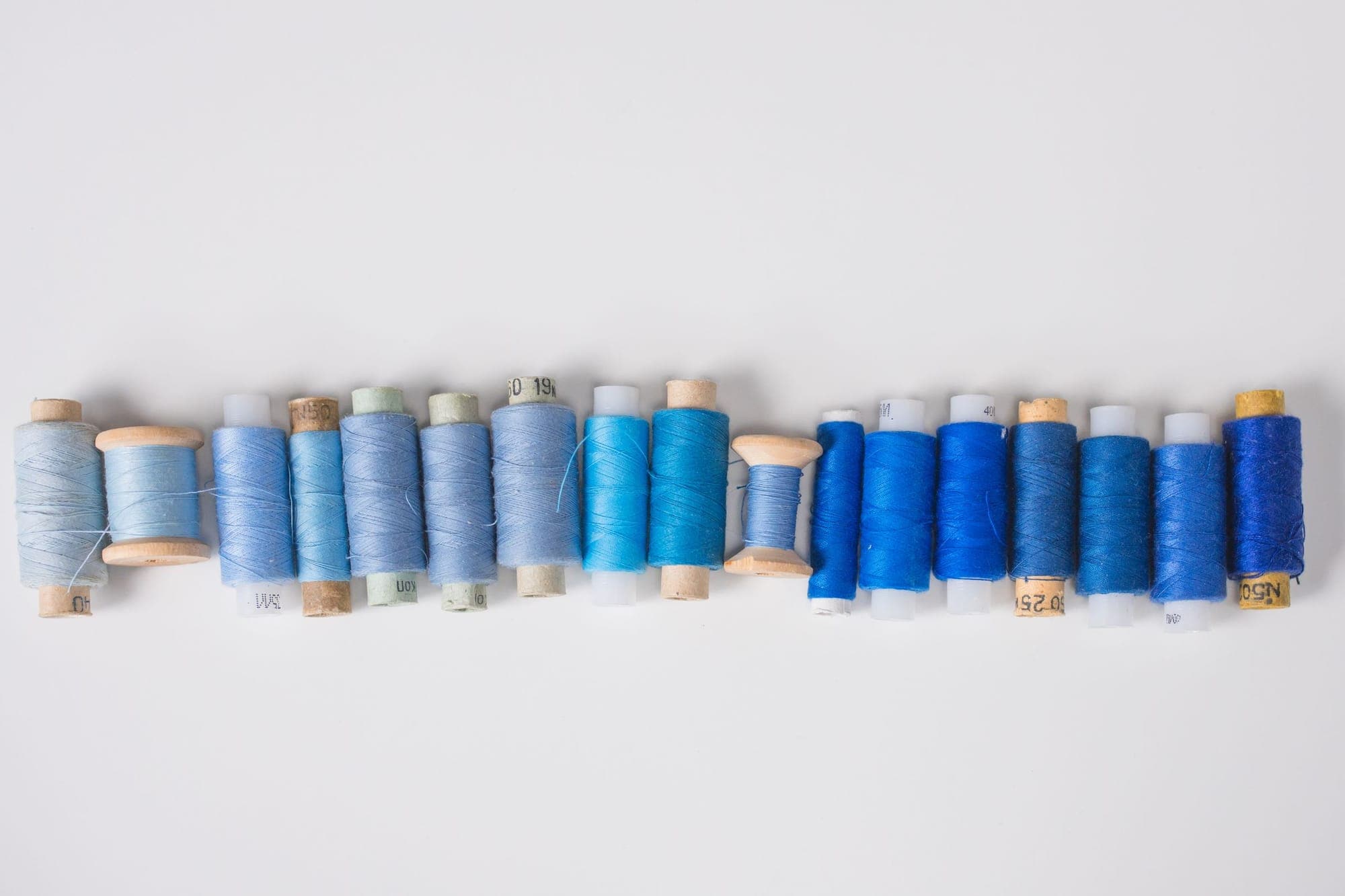
Tone-on-tone resham (pale blue on pale blue) looks quiet and elegant; contrast colours look festive; multicolour florals look playful. Remember that sheen changes colour in different light, so a thread that looks soft gold indoors can look almost white in sun.
The main risk with resham is dye. A deep red or navy thread on white lawn can bleed in the first wash. Do the colour-fastness test on any embroidered fabric before it is stitched, wash inside out in cool water, never wring, and iron from the back on a folded towel so the embroidery stays raised.
How to ask for resham work
Tell us where you want the work, how dense it should be and which colours you have in mind, and add a photo. On the quote form, choose a level from delicate to statement. If you already have a plain kurta or length of fabric, you can ask about embroidery on it by itself; send photos first and post it to us in Pakistan only once we confirm it is suitable. The custom embroidery page explains both routes, and the USA fancy work page covers ordering from America.
What is possible on your fabric and design is confirmed in your written quote. When you are ready, request a quote.
Common questions
Is resham thread real silk?
Usually not any more. Most resham is viscose or polyester filament with a silky shine. The name describes the glossy look rather than the fibre, so ask the seller if real silk matters to you.
Does resham embroidery fade or bleed?
Good resham holds its colour well, but dark threads on pale fabric can bleed in the first wash. Test a hidden corner with a damp white cloth, then wash inside out in cool water and dry in the shade.
Can resham embroidery go on a lawn kameez?
Yes, lawn is one of the most common bases for resham. Very dense fills may need a light backing so the fine cotton does not pucker around the motif.