
Embroidery and fancy work · 4 October 2026 · 4 min read
Types of Pakistani embroidery, explained
A plain guide to the main types of Pakistani embroidery, from resham thread work and zardozi to gota, mirror work, aari and phulkari, and how to ask for each.
 Inspiration
Four families of Pakistani embroidery
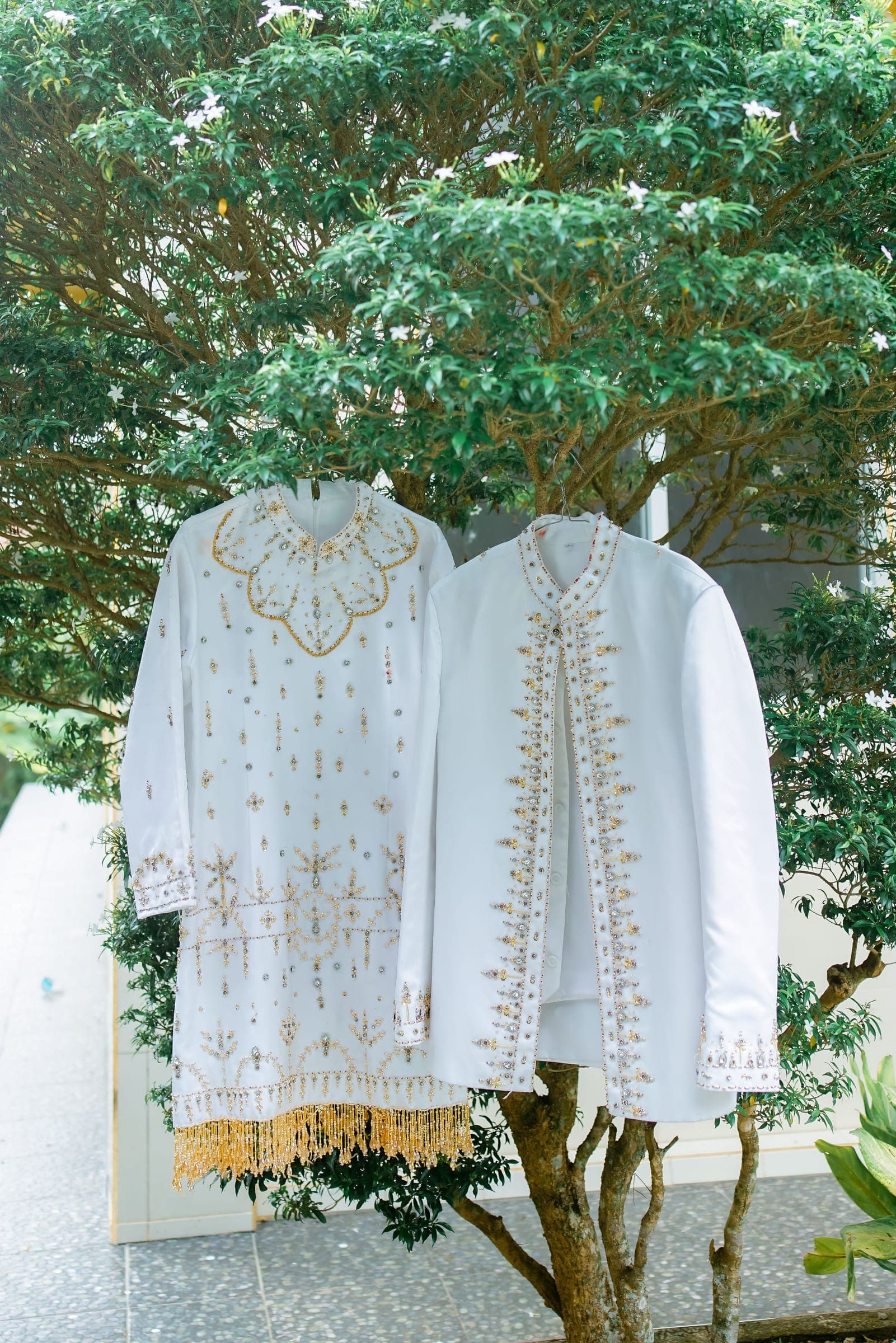
The types of Pakistani embroidery you see on suits and dupattas fall into four broad families: thread work (resham, aari, kashida, phulkari and chikankari), metal work (zardozi, tilla, dabka and gota), surface additions (mirrors, sequins, beads and pearls) and fabric techniques (cutwork and appliqué). Most festive outfits mix two or three of them, for example a resham floral neckline outlined in tilla with a scatter of sequins.
Knowing the names makes two things easier: reading a product description honestly, and telling a tailor or embroiderer exactly what you like. This guide gives you a short, practical description of each, with links to our longer explainers.
Thread embroidery
Thread work is the everyday backbone of embroidered clothing. It is flexible, light and, in cotton or good synthetic floss, usually washable.
- Resham: shiny floss embroidery, named after the Urdu word for silk. Satin-stitch flowers on a lawn neckline are the classic example. See our resham guide.
- Aari: fine chain stitch made with a hooked needle on a stretched frame. Quick, even lines that suit vines and outlines.
- Kashida: a broad word for needlework, often used for Kashmiri-style floral thread work on shawls and dupattas.
- Phulkari: the Punjabi “flower work” of darning stitches in bright floss, traditionally on khaddar.
- Chikankari: delicate white-on-white shadow work and knots on fine cotton, originally from Lucknow and widely worn across South Asia.
Metal and metallic work
Metallic work catches the light and turns an everyday shape into an Eid or party outfit. It ranges from a fine shimmer to heavy, raised texture.
- Zardozi: hand embroidery with coiled metal wire, flat strips, sequins and pearls, often padded so it stands up from the fabric. The richest and heaviest of the group. See what zardozi is.
- Tilla: metallic thread in gold, silver or antique tones, flatter and lighter than zardozi. Very common in machine embroidery on lawn and chiffon. See tilla work explained.
- Dabka: springy coiled wire cut into short lengths and stitched down; it is one of the materials inside zardozi rather than a separate style.
- Gota: a woven metallic ribbon sewn along edges or cut into leaf and flower shapes. See gota work explained.
Mirrors, sequins and beads
Surface additions sit on top of the embroidery rather than forming it. Mirror work (shisha) holds small discs of mirror in a ring of stitches and is strongly linked with Sindh and Balochistan. Sequins (sitara) and beads (moti, cut glass cutdana and tube-shaped nalki) are added by hand, with an aari hook or by machine, usually to highlight the centre of a flower or the edge of a motif.
They add sparkle quickly, but they also add weight and need gentler washing and storage, so they are usually kept to necklines, sleeves and borders on lighter fabrics.
Cutwork and appliqué
Two techniques work with the fabric itself. Cutwork cuts small shapes out of the cloth inside a stitched outline, so the pattern is made partly of holes; a cutwork hem on a lawn kameez is a familiar summer look. Appliqué stitches shapes of one fabric onto another, from the bold geometric work of Sindhi ralli to a single contrast motif on a yoke. Neither is really embroidery in the narrow sense, but both are sold under the embroidered label.
Lace and borders are close relatives. Our piping, lace and trims guide explains how they finish a kameez.
Regional styles worth knowing
Pakistan’s regions each have a recognisable look. Sindhi work is known for tight chain and interlacing stitches with small mirrors; Balochi dresses carry dense, geometric needlework on the front panel and cuffs; Swati embroidery uses bright satin stitch in bold geometry on dark cloth; Punjab has phulkari; and Kashmir is known for kashida and tilla on wool. Much modern fashion borrows from these traditions, often worked by machine in a simplified form.
How to ask for embroidery on your outfit
If we are stitching your outfit, the quote form lets you choose a level: delicate (neckline or sleeves), detailed (neckline, sleeves and hem) or statement (bolder work for Eid and parties). Add a photo of the look you like and describe where it should sit. You can also ask about embroidery on your own fabric or garment by itself. Our custom embroidery page explains both routes.
We do not promise a named technique up front. What is possible on your fabric and design is confirmed in your written quote before you pay. Ordering from Britain? The UK fancy work page covers embroidery for UK orders. When you are ready, start a design quote, and read our machine or hand embroidery guide if you are deciding between the two.
Common questions
What is the most common embroidery on Pakistani lawn suits?
Machine thread embroidery is very common on printed and embroidered lawn suits, usually on the neckline, the front panel, the sleeves and a separate border for the hem. It is often combined with a little tilla for shimmer.
Is zardozi the same as gota?
No. Zardozi is hand embroidery with coiled metal wire, sequins and pearls, while gota is a woven metallic ribbon sewn onto the fabric. Gota is lighter and flatter; zardozi is raised and heavier.
Can I choose the embroidery technique for my outfit?
You can ask for it and send a photo of what you like. Whether that technique is possible on your fabric and design is confirmed in your written quote before any work begins.
