Embroidery and fancy work · 4 October 2026 · 3 min read
What is zardozi? Metal thread embroidery explained
Zardozi embroidery explained: the meaning of the word, dabka, nakshi and salma wire, how the work is made on a frame, which fabrics carry it, and how to care for it.
 Inspiration
Zardozi in one paragraph
Zardozi is hand embroidery in metal: coiled wire, flat strips, metallic thread, sequins, pearls and small stones stitched onto fabric to make a raised, glittering design. The name comes from Persian, with zar meaning gold and dozi meaning sewing. It flourished in the Mughal courts, where real gold and silver wire was used, and it is still the embroidery people picture when they think of a rich festive outfit.
Today the wire is usually copper or another base metal with a gold or silver finish, or a metallised synthetic. That keeps the look within reach, but it also means the finish needs some care to stay bright.
The materials, by name
Embroiderers use their own vocabulary, and the terms vary a little between workshops. These are the ones you are most likely to hear.
- Dabka: a fine, springy coil of wire cut into short lengths and threaded onto the needle like a bead, so it lies in raised curls.
- Nakshi: a twisted coil with a faceted surface that sparkles.
- Kora: a matt coil that gives a softer, antique look.
- Salma: a smooth, shiny coil, often used for outlines.
- Sitara and kasab: sequins and flat metallic thread, laid on the surface and couched down with small stitches.
- Pearls, stones and cutdana: added at flower centres or along edges for extra light.
How zardozi is made
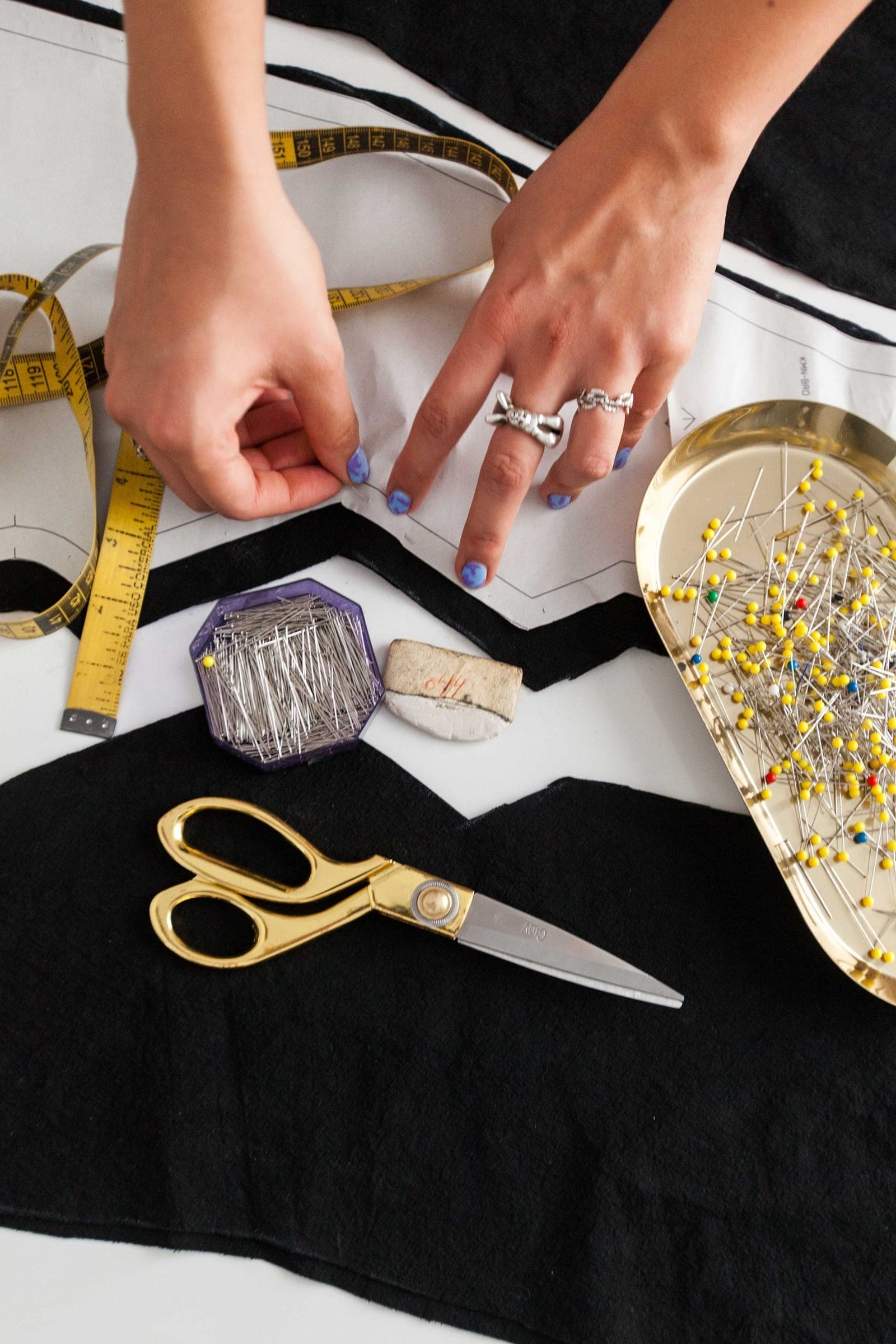
The fabric is stretched tightly on a large wooden frame, the adda, and the design is traced onto it. For raised areas the embroiderer first builds up padding with cotton thread or felt, then covers it with metal. Each piece of dabka or nakshi is cut, threaded and stitched individually, which is why a dense panel takes so long and why zardozi is almost always hand work. Machines can imitate the look with metallic thread and sequins, but not the depth of a padded hand piece.
Fabrics and placements that suit zardozi
Because the work is heavy, it needs a stable base. Velvet, raw silk, karandi, jamawar and good cotton silk all carry it well, and our cotton silk and raw silk guide explains why those in-between fabrics are popular for Eid. On chiffon or organza, zardozi is usually kept to small areas with a backing behind it, or the weight drags the sheer cloth.
For an everyday or Eid outfit, a little goes a long way: a neckline, a pair of cuffs, a few motifs on a front panel or the corners of a dupatta. Very heavy, all-over zardozi belongs to a different kind of outfit from the ones we make.
Light zardozi also pairs well with simpler thread work. A resham floral neckline with a few dabka curls and pearls at the flower centres gives the glow of metal without the weight or the care demands of a fully worked panel.
Living with zardozi
The back of zardozi is rough, so pieces that carry it are usually lined; our guide to kameez lining explains the options. Dry cleaning is the safe choice. Do not iron on the front: press from the back over a thick towel. Keep perfume and deodorant away from the metal, since both speed up tarnishing.
Store the outfit flat or loosely folded with acid-free tissue or plain cotton between the folds, away from damp. Our article on storing embroidered suits covers moths and humidity in more detail.
How to ask about zardozi
Send a photo of the zardozi you like and say where it should go. On the quote form, the statement level is for bolder work for Eid and parties. We do not promise a particular technique before we have seen the design: what is possible on your fabric and design is confirmed in your written quote. Our custom embroidery page explains the process, and the UAE fancy work page covers orders to the Emirates. Start a design quote when you are ready.
Common questions
Is zardozi made with real gold?
Historically it was. Today most zardozi uses copper or another base metal with a gold or silver finish, or a metallised synthetic, which looks similar but can tarnish over time.
Can zardozi be washed?
It is safer not to. Water can tarnish the metal and distort the padding. Dry cleaning by a cleaner used to embellished clothing is the usual advice.
Is zardozi heavy to wear?
It depends on how much there is. A zardozi neckline or cuff adds little weight, while a fully worked panel is noticeably heavy and needs a sturdy fabric and lining.