Occasions and ordering · 5 October 2026 · 4 min read
What does smart casual mean in Pakistani clothes?
Smart casual in Pakistani clothes means a plain or lightly detailed kurta with tailored trousers and an optional dupatta. What tips it casual or formal.
 Inspiration
The short translation
Smart casual in Pakistani clothes means a plain or lightly detailed kurta with tailored trousers, neat shoes and an optional dupatta: tidier than what you wear at home, less dressed than what you wear to a wedding. And yes, a kurta is smart casual, provided the fabric is crisp, the cut is clean and the decoration is quiet.
The phrase comes from Western dress codes, and it turns up on invitations to work dinners, restaurant meals, open days and receptions. Translating it is mostly a matter of knowing which features of an outfit read as smart, which as casual and which as formal.
What the dress code is asking for
In Western terms, smart casual sits between jeans with a T-shirt and a full suit. The host wants guests to look as if they made an effort, without anyone feeling they should have worn evening dress. Smart means pressed, well cut and in good condition. Casual means no ceremony: no suit and tie, no gown.
Carried over to a kameez, smart is in the cloth and the cut, and casual is in the absence of heavy work. An outfit can miss in either direction.
Piece by piece: the smart casual kameez
Each part of the outfit has a setting that lands in the middle.
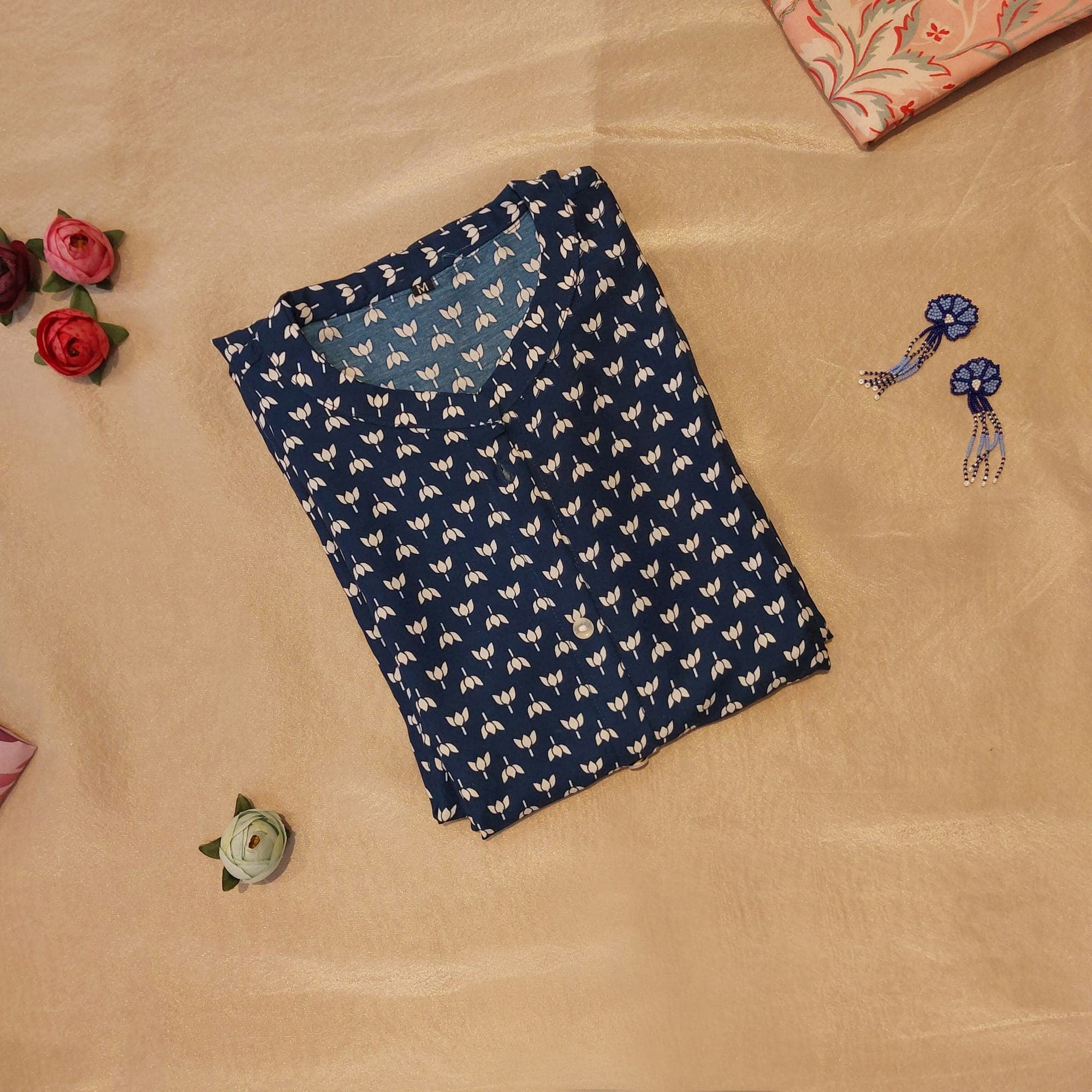
- Kurta: straight or A-line, around knee length, in cambric, cotton, linen or a winter cloth such as karandi. Plain, tonal or a small neat print.
- Detail: a placket, a collar, piping or covered buttons do more than embroidery here. Our guide to collar styles for kurtas shows the options. If you want embroidery, keep it to the delicate level.
- Trousers: straight trousers or cigarette pants, pressed. A plain shalwar in crisp cotton also passes; a limp one does not.
- Dupatta: optional. A kurta and trousers alone looks modern and sharp; a light, plain dupatta keeps it traditional without adding formality.
- Shoes and bag: loafers, khussas, block heels or clean flats, and a structured bag.
What tips it into casual, and what tips it into formal
The same kurta can land in three different places depending on what surrounds it. If you are torn between two outfits, choose the plainer one and lift it with good shoes and earrings.
- Too casual: creased or faded lawn, a house suit, stretched hems, rubber slippers, ripped jeans, a kurta that has lost its shape in the wash.
- Smart casual: pressed plain or lightly detailed pieces, tailored trousers, tidy shoes, small jewellery.
- Too formal: statement embroidery, shiny or heavily worked fabric, a sharara or gharara, a heavy embellished dupatta, a full jewellery set.
Four outfits that meet the code
All four can be worn to a dinner, a work event or a daytime reception.
- A co-ord set: kurta and trousers in one colour. Our co-ord sets guide explains why matching pieces look polished with little effort.
- A plain suit with texture: see plain suits with presence for ways to make an undecorated suit look considered.
- A kurta with dark jeans: the relaxed end of the code, fine for most restaurants and work socials unless the invitation rules out denim.
- A shirt dress: a Western answer to the same brief. Our shirt dress is one example of a made-to-measure piece.
What to ask for when ordering
Smart casual depends on cut, which is where made to measure earns its keep: shoulders that sit where they should and hems at the right height do most of the work. Through our custom stitching service you choose the neckline, sleeves, kameez length and trouser style on the quote form.
When you request a quote, ask for a crisp plain fabric, the embroidery level set to none or delicate, a knee-length kameez and straight or cigarette trousers. If the outfit is for a dated event, remember that making takes 5 to 7 working days from approval and full payment, with shipping time on top. Our work and campus page has more outfits at this level.
Common questions
Is shalwar kameez smart casual?
It can be. A plain, pressed suit in crisp cotton with a light dupatta meets the code. In Western settings a kurta with straight trousers tends to read as smart casual more clearly than a full shalwar.
Can I wear jeans for smart casual?
Usually, if they are dark, plain and in good condition, and worn with a smart top such as a pressed kurta. Faded or ripped jeans are casual. If the invitation says no denim, choose tailored trousers.
What is the difference between smart casual and business casual?
Business casual is a workplace code and slightly stricter: tailored trousers or a skirt, closed shoes and muted colours, normally without jeans. Smart casual is used for social events and allows more colour, pattern and personality.