
Occasions and ordering · 5 October 2026 · 3 min read
What is a dye lot, and why does it matter for matching?
What is a dye lot? One batch of fabric dyed together. Why batches differ slightly in shade, and what that means for sets, group orders and repeat orders.
 Inspiration
A dye lot in one paragraph
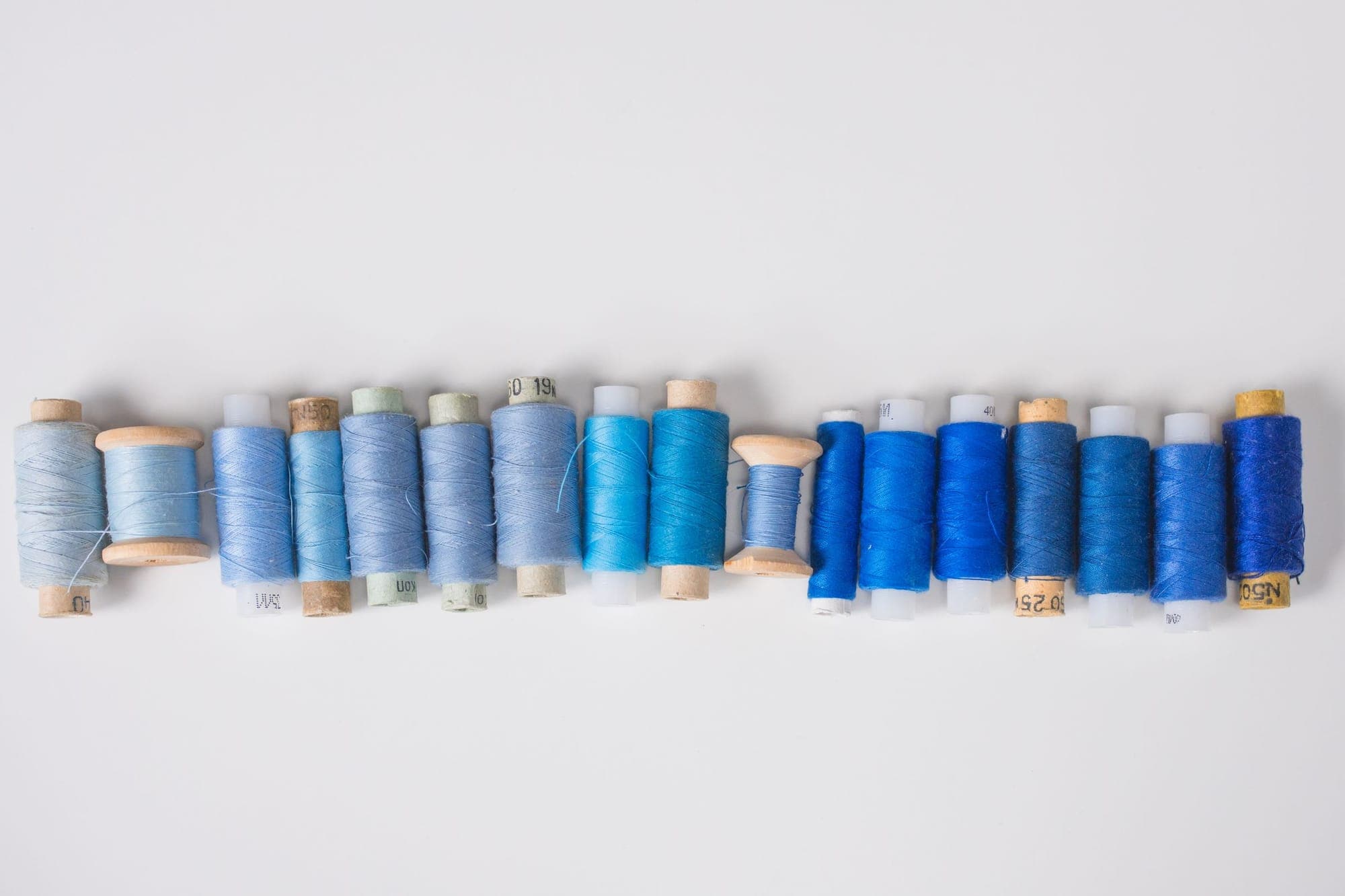
A dye lot is a single batch of fabric, yarn or thread coloured together in one run. Everything in that batch shares a shade. The next batch, made to the same recipe, comes out very close but rarely identical, which is why two lengths sold under one colour name can differ slightly when laid side by side. Mills often mark a lot or batch number on the roll or label for exactly this reason.
Why batches differ
Dyeing is chemistry carried out at scale, and small things move the result: the temperature of the bath, how long the cloth stays in it, the water, the strength of the dye and the base cloth itself, which varies a little from one production run to the next. Mills work within a tolerance, not to a single exact point. A difference that passes inspection can still be visible to someone holding two pieces together in daylight.
Different fabrics widen the gap further. One dye recipe looks one way on matte cotton, another on chiffon and another again on a cloth with sheen, because each surface reflects light differently. So a kameez and dupatta in two different cloths are never a pure match, even from one dyer on one afternoon. They are a coordinated pair.
Where it matters in practice
Most of the time nobody notices a dye lot. These are the cases where people do.
- Sets. If the kameez and trousers must read as one colour, they should be cut from one length of fabric, not from two purchases.
- Group orders. Sisters or friends who want coordinated outfits should order together and say that the pieces need to match one another.
- Repeat orders. A design ordered again months later may come from a different batch. Worn on its own nobody will notice; worn beside the first, a slight difference may show.
- Top-ups. Running short and buying another metre later is the classic dye lot problem. The new piece is safest where it does not touch the old, such as a facing or a contrast trim.
- Thread, lace and trims. These are dyed separately again, so “matching” here means the closest available, not identical.
How to protect a match
Nearly every dye lot problem is avoided before the scissors come out.
- Buy all the fabric for one outfit in one purchase, ideally cut from one roll. For amounts, see how much fabric a three-piece suit needs.
- Compare the lengths in daylight before anything is cut. Indoor light hides differences that the sun reveals.
- If you are buying a plain fabric to go with a printed piece, take the print with you instead of trusting memory.
- Where an exact match is impossible, choose a deliberate contrast or a clearly lighter or darker tone. A near miss looks like a mistake; a planned difference looks like design.
- Wash matching pieces together and by one method, so they age at an equal rate.
What this means for an order with us
With Fabric + Stitching we supply the agreed fabric, and with Stitching Only you send your own after we have confirmed it. On either route, tell us at the start if pieces must match each other or something you already own. If several outfits need to match, ask for them in one enquiry; our guide to ordering several outfits at once explains how. What is possible is confirmed in your written quote.
For a repeat order placed later, we cannot promise fabric from the batch used the first time, so treat an exact repeat of the shade as something to ask about, not to assume. As with photos, a small difference in shade is not treated as a fault. Start with the quote form and put the word “matching” in your notes.
Common questions
Will a repeat order match the same colour exactly?
It may not. Fabric for a later order can come from a different dye lot, and batches vary slightly. If the new piece has to match the first, say so in your enquiry and we confirm in the written quote what is possible.
Why is the same fabric a different shade in two shops?
The two shops probably hold stock from different batches. Each batch is dyed separately and lands within a tolerance, so one colour name can cover slightly different shades.
Does washing even out a dye lot difference?
No. Washing may fade both pieces, but it will not bring two batches together, and pieces washed differently drift further apart. Plan the match before cutting.
