Occasions and ordering · 30 September 2026 · 4 min read
Coordinated outfits for sisters and friends
How to plan coordinated or matching outfits for sisters and friends: a shared colour story, a different cut for each wearer, buying fabric and ordering together.
 Inspiration
Matching, twinning or coordinating
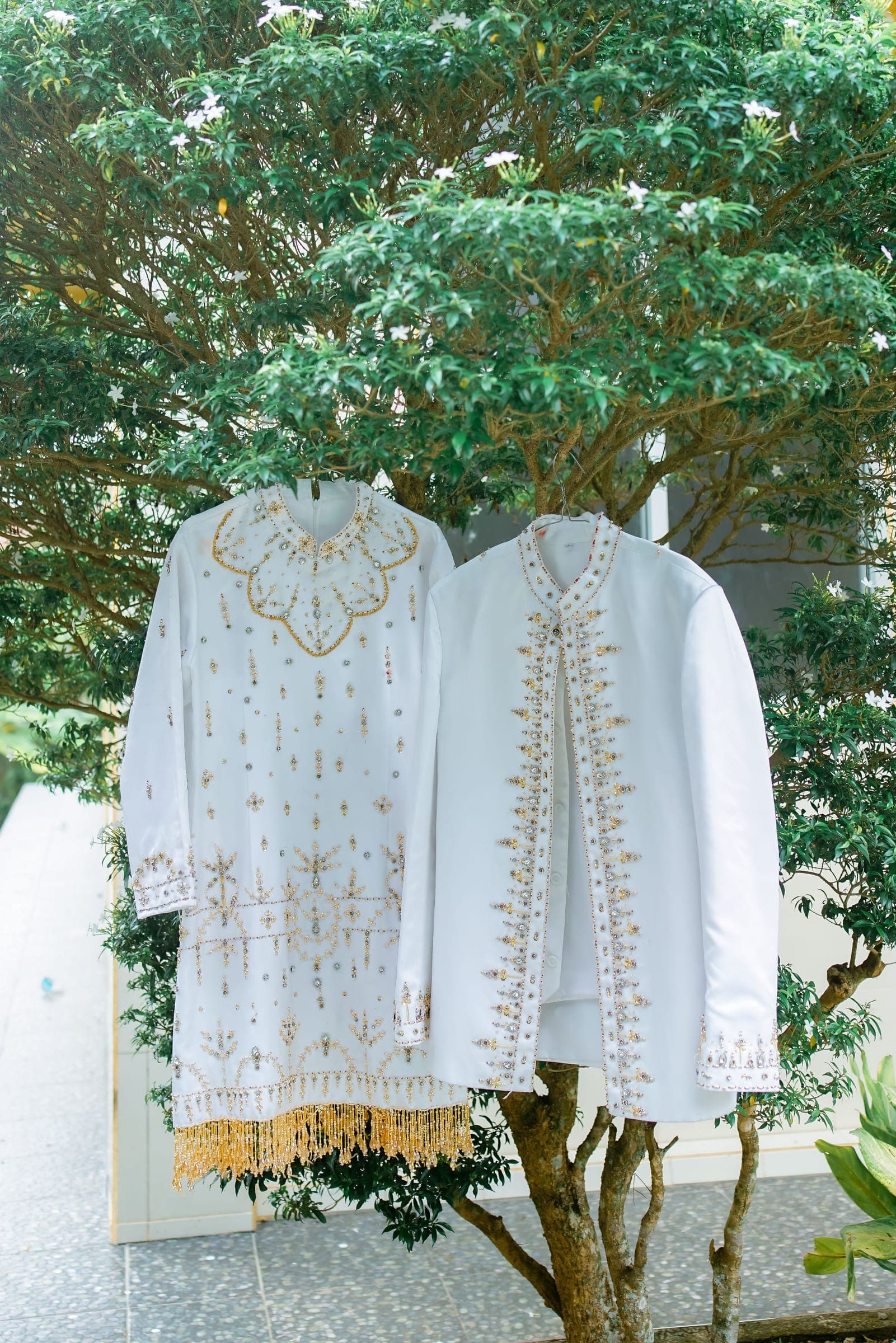
Sisters, cousins and friends often like to dress together for Eid, a birthday, a family photograph or a trip. There are three ways to do it. Matching means everyone wears the same fabric and design. Twinning is two people in the same outfit. Coordinating means a shared colour story or fabric family, with each outfit cut differently.
Coordinated sets usually look best in photos and flatter everyone, because each person can have the neckline, length and trouser style that suits her. They are also more forgiving if one fabric sells out before everyone has bought it.
Choosing a colour story
- One colour, different shades: blush, rose and deep pink, or sage, olive and bottle green.
- One print, different colourways: many brands release the same design in two or three colours.
- A shared accent: different kurtas, all with the same lace, piping or dupatta finish. See piping and trims.
- A neutral base with individual colour: everyone in white or cream kurtas, each with her own coloured dupatta. See matching dupatta and trouser colours.
- Print and plain: one person in the print, another in a plain fabric that picks up its main colour.
Letting each person choose her cut
The same fabric can become very different outfits. One sister might want a long straight kameez with cigarette pants, another a short kurta with a sharara, a third an angrakha. Differences in height, shape and comfort mean one design rarely suits everyone equally, and made to measure lets you share the fabric while each person gets her own fit. Keep one or two elements the same so the group still reads as a set: the same dupatta finish, the same sleeve length or the same trouser colour.
Our colour guide helps each person find a shade within the palette, and our guides to kameez length for your height, fitting tips for petite women and fitting tips for curvy and plus-size women help with the cut.
Buying fabric for a group
- Buy together: if you are buying the same design, order all the packs at the same time, because colours can vary slightly between production batches.
- Check every pack: open each one, confirm the pieces and photograph them in daylight before anything is posted.
- Fabric by the metre: work out each person’s quantity separately, since a tall wearer or a full sharara needs more. See buying fabric by the metre.
- Allow for different designs: a single pack may not stretch to a long kameez with full sleeves or a very full sharara, so check the lengths on each label against the design that person wants.
- Label everything: a note pinned to each pack with the wearer’s name avoids mix-ups.
Ordering as a group
Send the whole group through one request so the outfits are planned together. On the stitching quote form, describe who wears what, and include each person’s measurements, clearly labelled with her name. If anyone would rather we measure a kameez that fits her, we confirm how to send it before anything is posted. If you live in different places, each person can measure herself using the size guide and send the numbers to whoever is placing the order. A single daylight photo of all the fabrics laid out together also helps us see the colours side by side.
If the finished outfits need to go to more than one address, say so when you ask, and we confirm what is possible in the quote. For Eid sets, order early; the timing is confirmed in your written quote. Our Eid page has more ideas for matching sets, and the custom stitching service explains the rest.
Common questions
Can you make matching outfits for sisters with different measurements?
Yes. Each outfit is cut to its own wearer’s measurements, so sisters or friends can share a fabric and design while each gets her own fit, neckline and length.
Should coordinated outfits all be the same style?
Not necessarily. A shared colour or fabric with different cuts often looks better in photos and suits everyone, because each person can choose the length and shape that flatters her.
Do we all need to buy the fabric at the same time?
It is best to, if you want an exact match. Colours can vary slightly between production batches, so buying the packs together and checking them side by side in daylight avoids surprises.