
Fabrics and care · 8 October 2026 · 3 min read
What is brushed cotton? Flannel and soft finishes
What is brushed cotton? Cotton with a surface raised by brushing for softness and warmth, how it compares with flannel, why it can bobble, and where it suits winter.
 Inspiration
Brushed cotton, briefly
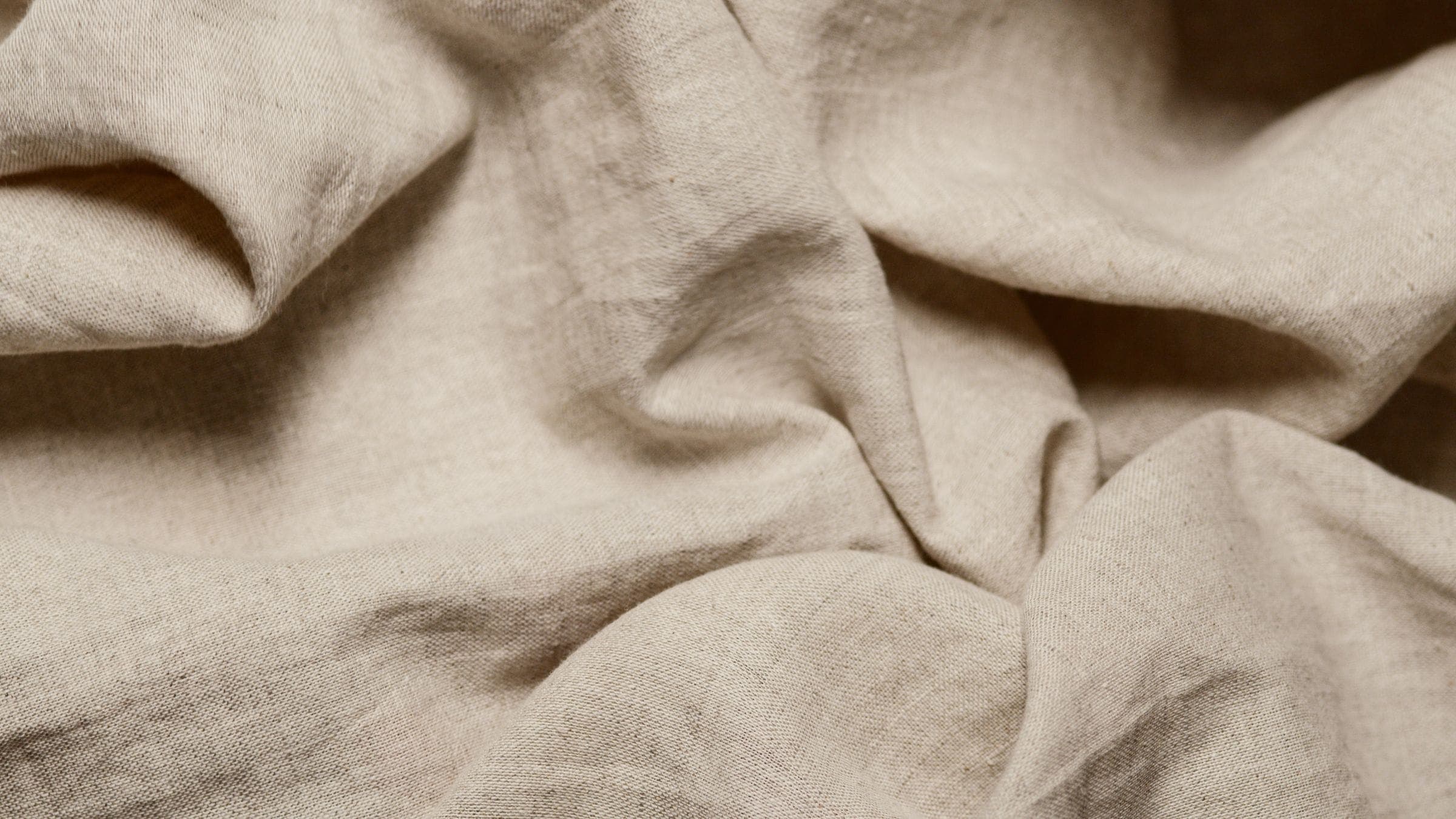
Brushed cotton is ordinary woven cotton that has been passed over rollers covered in fine wire bristles. These tease loose fibre ends out of the yarn and raise a soft, slightly fuzzy surface. The raised layer traps air, so brushed cotton feels warmer and cosier than the same cloth left smooth, and it loses the crisp, cool feel of a plain cotton.
Brushing is a finish, not a fibre or a weave. It can be applied to one side or both, to plain weaves or twills, and to blends as well as pure cotton.
Brushed cotton vs flannel
Flannel is the best-known brushed fabric. It was originally wool, and cotton flannel followed; today the word usually means a medium to heavy cloth brushed well on one or both sides, so it feels thick and soft. Brushed cotton is the broader term and includes much lighter cloths with only a gentle raise.
- Weight: flannel tends to be heavier; brushed cotton ranges from light shirting up to flannel weight.
- Surface: flannel has a fuller, fluffier face; a lightly brushed cotton can feel almost like the skin of a peach.
- Uses: flannel suits pyjamas, shirts and cold-weather layers, while lighter brushed cotton works for kurtas and trousers in a mild winter.
- Peached finish: a related treatment that sands the surface very finely for a velvety touch without visible fluff.
Why it feels warm
The raised fibres hold a thin layer of still air close to the body, and still air insulates. Brushed cotton also feels warmer the moment you touch it, because less of your skin meets a cool, flat surface. It still breathes and absorbs moisture like any cotton, which is why many people find it more comfortable indoors than a synthetic fleece.
It is not as warm as wool or a thick knit, so think of it as a cosy middle layer: right for a mild winter, a cool spring evening or a chilly house.
Bobbling, shedding and shrinking
Those loose fibre ends are also its weak point. Follow the care label, and test any new washing routine on a hidden area first.
- Bobbling: rubbing rolls the raised fibres into small balls, especially under the arms, at the inner thighs and where a bag strap sits. Our article on pilling, static and shine explains how to deal with it.
- Lint: new brushed fabric can shed fluff for its first few washes, so wash it on its own at first.
- Shrinkage: brushed cotton can shrink like any cotton, so a test wash before cutting is sensible.
- Washing: turn it inside out and use a gentle cycle to keep the surface soft for longer.
Where it sits among winter suit fabrics
In Pakistani winter collections the familiar names are khaddar, karandi and marina, each with its own texture, and some winter fabrics are brushed or given a soft raised finish to feel warmer. The trade name does not always say so, so feel the surface: a soft, slightly fuzzy face that looks different from the back is the sign. Our guide to winter fabrics for UK weather compares the main options.
Brushed fabrics have a direction, like velvet on a smaller scale, so pieces are best cut the same way; see our article on nap. If you have a brushed winter suit to make up, send photos and the label for Stitching Only, and we confirm suitability before you post it. Start on the stitching quote form.
Common questions
Is brushed cotton warm?
Warmer than smooth cotton of the same weight, yes, thanks to the air held in its raised surface. It is not as warm as wool or a thick fleece, so it suits mild winters and indoor wear best.
Does brushed cotton stay soft after washing?
Mostly, though the surface can flatten and bobble over time. Washing inside out on a gentle cycle, and avoiding very hot tumble drying, keeps it softer for longer.
