Styles and design · 8 October 2026 · 3 min read
A personal uniform: one silhouette in several fabrics
How to create a personal uniform: find the one cut that works for you, then wear it in different fabrics and colours through the week and through the seasons.
 Inspiration
What a personal uniform is
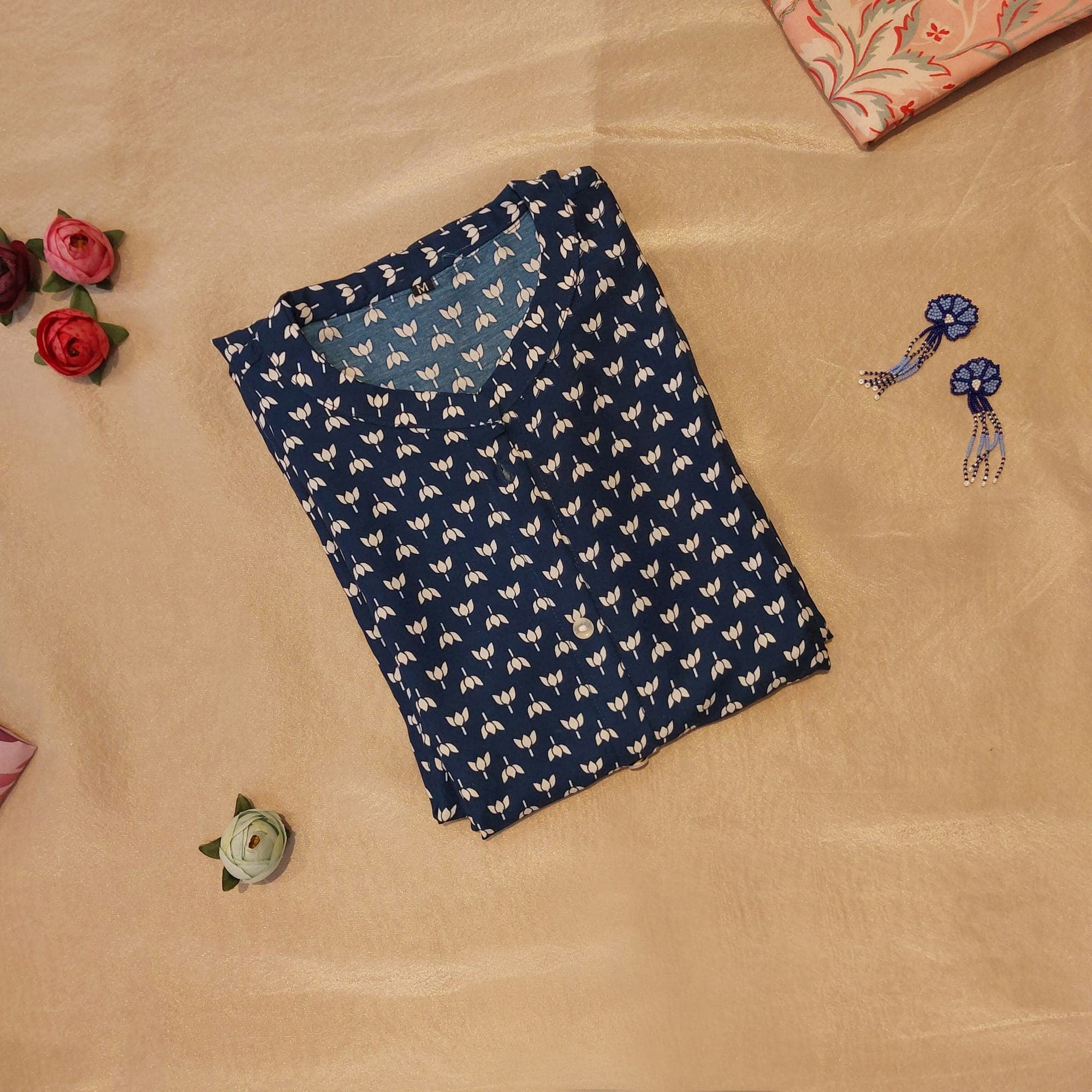
To create a personal uniform, find the one outfit shape you feel best in, such as a knee-length straight kurta with slim trousers, and then own it in several fabrics and colours, so that getting dressed means choosing a colour rather than an outfit. The silhouette stays the same every day; the fabric, colour and small details change.
It differs from a capsule wardrobe, which mixes a set of different pieces. A uniform repeats one formula. Some people find that freeing: no morning decisions, no clothes that sit unworn, and a look others come to recognise as yours.
Finding your silhouette
You probably already own your uniform, or a rough version of it. Look at what you reach for when you are tired or rushed, what you feel comfortable in all day, and what you have bought more than once. Then describe what those pieces have in common.
- The length. Hip, mid-thigh, knee or calf.
- The cut. Straight, A-line, shirt-style or relaxed.
- The neckline and sleeves. Round neck and three-quarter sleeves, band collar and full sleeves, and so on.
- The trousers or skirt. Straight, cigarette, wide-leg, shalwar, or a skirt shape you return to.
- How it feels. Close but not tight, or loose with room to move.
Changing the fabric, not the shape
Once the shape is fixed, fabric does the variety. The same straight kurta reads very differently in fine lawn, crisp cambric, textured linen, soft khaddar and warm karandi, and the seasons take care of themselves. The fabric guides explain how each one behaves, and how fabric changes fit and drape is worth reading first, because a heavier fabric can need slightly more room in the same pattern.
Colour adds the rest. Many people choose one neutral for the trousers, such as navy, black or cream, and let the tops carry colour and print. A dressier version of the same shape, in a richer fabric with delicate embroidery, covers gatherings without breaking the formula.
Why made to measure suits a uniform
The whole idea depends on every piece sitting on you the same way. With ready-made clothes, the same size in two fabrics or two brands rarely does. Made to measure, your measurements and the design are agreed once, then repeated. The easiest starting point is the piece you already love: using a kameez that fits as your template and measuring clothes that fit you explain how to capture it.
Order two or three versions at the start rather than one, so you can wear the uniform properly and judge it. Ordering several outfits at once explains how a multi-piece order is planned, and the capsule wardrobe guide shows how a few extra pieces can sit around the uniform.
Getting started
Through custom stitching, send a photo of your chosen shape, or a garment that fits, and list the fabrics and colours you want it in. Use the quote form and we confirm the design and measurements for every piece in writing before cutting. When you want another, you can ask for the same design in a new fabric.
Common questions
Is it boring to wear the same style every day?
Most people who try it find it calming rather than boring. Fabric, colour, print and small details such as necklines and accessories still change, so the outfits look different even though the shape does not.
How many pieces do I need for a personal uniform?
Enough to get through your week between washes. For many people that is four to six tops and two or three trousers in the same shape, plus a dressier version for gatherings.
Can a personal uniform include traditional and Western clothes?
Yes. The formula can be a kurta and trousers on most days and a shirt dress of the same length and feel on others, as long as the proportions and comfort stay consistent.