
Embroidery and fancy work · 4 October 2026 · 4 min read
Choosing embroidery for hot and cold climates
How climate should shape your embroidery choices: lighter, breathable work for Gulf heat and humid summers, and richer work on winter fabrics for colder countries.
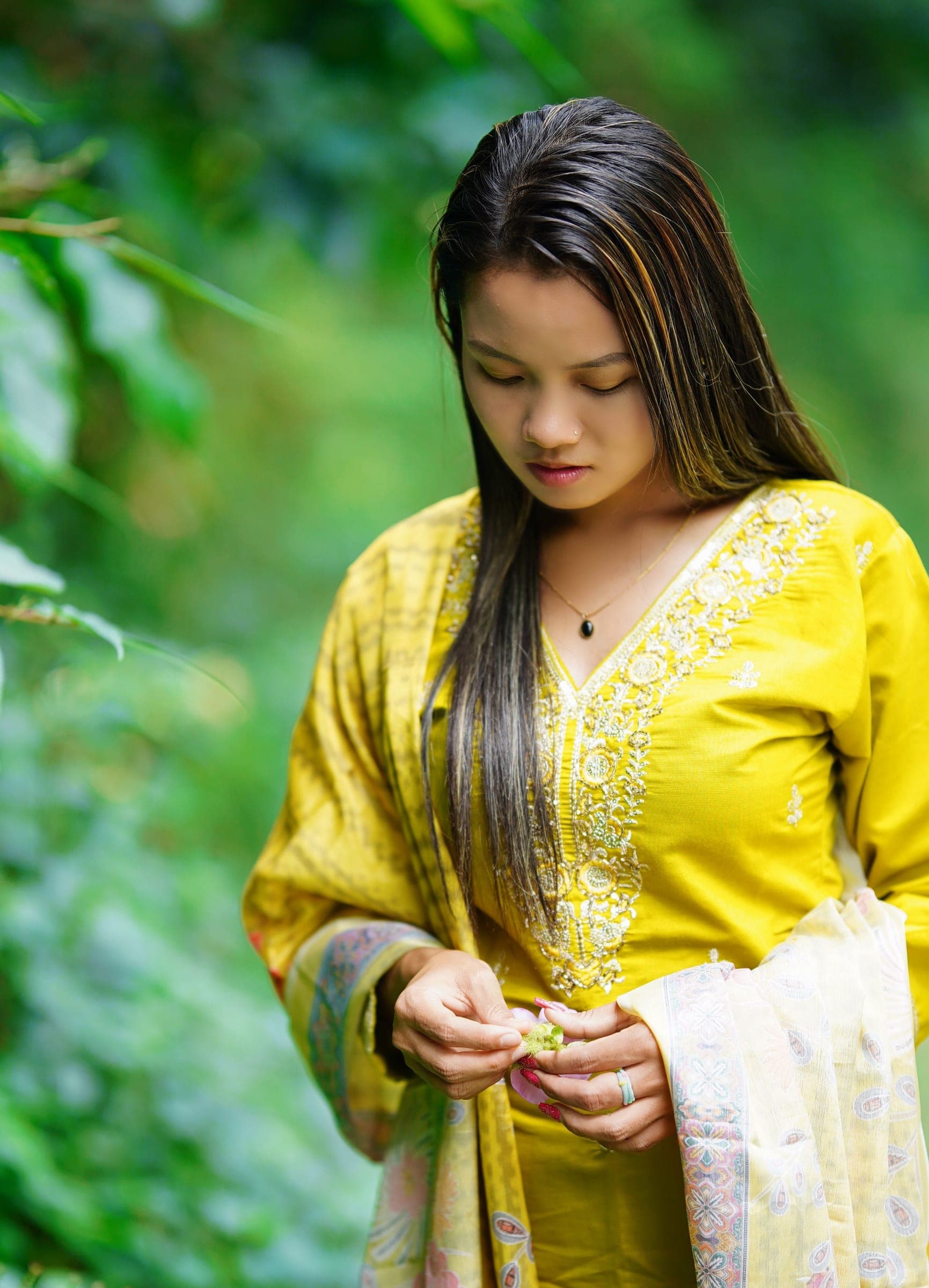 Inspiration
Climate is part of the design
Embroidery is not just decoration; it is extra thread, sometimes extra layers, sitting on the fabric. In real heat, that changes how an outfit breathes, and in cold weather it changes how a piece sits under a coat. Choosing embroidery for hot and cold climates starts with one question: where and when will you actually wear this?
Because we stitch to order and ship worldwide, we make outfits for very different weather. Telling us your climate in the quote notes helps us suggest a level and placement that will be comfortable, not just pretty.
Heat: let the fabric breathe
In places like Dubai, Riyadh or Doha, summer outdoor heat is intense, and most time is spent moving between air conditioning and the street. Dense embroidery over large areas traps warmth against the skin and adds weight that you feel by the afternoon.
- Keep work to the neckline, cuffs or hem rather than across the chest or back.
- Choose a delicate or detailed level on lawn, cotton or linen; our lawn guide explains why it suits heat.
- Ask for a lining only where the fabric is sheer, or a half lining at the bodice.
- Prefer open necklines over a high, heavily worked panel.
Humidity: think about the reverse
In humid summers, from Kuala Lumpur to Houston, the inside of embroidery matters as much as the outside. Thread backing on the reverse can feel prickly against damp skin, and dense work dries slowly after washing. A soft facing or lining behind the worked area makes a big difference; our embroidery and lining guide covers the options.
Lighter colours of thread on light fabric also hide perspiration marks better than heavy, dark work on pale cotton.
Cold: richer work on warmer fabrics
Winter is where richer embroidery comes into its own. Khaddar, karandi, marina and similar fabrics are firm enough to carry detailed or statement work without puckering, and the extra thread adds to the sense of warmth. Our karandi guide and khaddar guide describe how each behaves.
Think about layering too. Under a coat, only the neckline, sleeve ends and hem are visible, so that is where the work earns its keep. A heavily worked front panel is largely hidden for most of the day in a UK, Canadian or Scandinavian winter.
Mixed climates and travel
If you split your time between climates, or are travelling to Eid in a different country, choose for the hottest place you will wear the outfit. A detailed level on a breathable base is the safest middle ground, and a richer dupatta can add occasion feel without adding heat to the kameez itself.
Indoor events change the picture as well. A wedding dinner in an air-conditioned hall in Dubai can feel cooler than an autumn garden party in London, so think about the room as well as the forecast. If the outfit will spend most of its life indoors, you can afford a little more work; if it will be worn outdoors for Eid prayers and visiting, keep the kameez lighter and let the dupatta carry the richness.
Thread colour and sun
Strong sun is hard on colour. Bright thread on a dark base can fade unevenly if the outfit is worn and dried in direct sunlight, and some metallic finishes dull over time. Tonal thread, a shade or two lighter or darker than the fabric, ages more gracefully and looks calm in bright light. In grey northern winters, by contrast, a brighter thread or a contrast border lifts a dark khaddar suit nicely.
Telling us about your weather
In the notes on the stitching quote form, mention your city and the season, for example an Eid outfit for Doha in summer or a winter dawat in Manchester. The Qatar fancy work page and our custom embroidery service explain how the work is planned, and with Fabric + Stitching we can suggest a suitable fabric too. What is possible is confirmed in your written quote.
Common questions
Is embroidered clothing too hot for summer in the Gulf?
Not if it is planned for the heat. Light work at the neckline, cuffs or hem on a breathable fabric stays comfortable, while dense work across large areas is better kept for cooler evenings and air-conditioned events.
Which embroidery level suits a winter suit?
Detailed and statement levels sit well on firmer winter fabrics such as khaddar and karandi. Remember that a coat covers much of the front, so the neckline, cuffs and hem are where work is most visible.
Should I tell you my climate when I order?
Yes. Your city and the season help us suggest a level, placement and lining that will be comfortable where you live, and we confirm everything in your written quote.
