
Occasions and ordering · 8 October 2026 · 3 min read
Cost per wear: a fair way to judge a custom outfit
What is cost per wear? The simple sum behind it, what raises the number of times you wear an outfit, and where the idea misleads when judging a custom piece.
 Inspiration
The sum, in one sentence
Cost per wear is what you paid for a garment divided by the number of times you wear it. A piece that cost more but is worn often can work out lower per wear than a bargain worn once. It is a way of comparing value across time rather than at the till.
The idea is simple and genuinely useful, as long as you are honest about the bottom half of the sum.
How to work it out properly
For a fair figure, a few extras belong in the sum alongside the price on the label or quote.
- Everything you paid to get it: delivery, any alterations, and import charges if they were not included.
- What it costs to keep: dry cleaning, special washing or repairs over its life.
- A realistic count of wears: based on clothes you already own, not on hopes. Look at a similar piece in your wardrobe and count how often it actually comes out.
- Its whole life: a suit you wear for several seasons is counted over all of them.
What raises the number of wears
The divisor is where a custom outfit can earn its keep, but only if it is planned for it. These are the things that make an outfit come out of the wardrobe again and again.
- Fit. Clothes that pull, gape or need constant adjusting get left on the hanger. A good fit is the strongest reason people reach for a piece.
- Fabric suited to your climate and routine. A breathable linen or cotton for warm months, a warmer weave for winter, something that survives your washing machine.
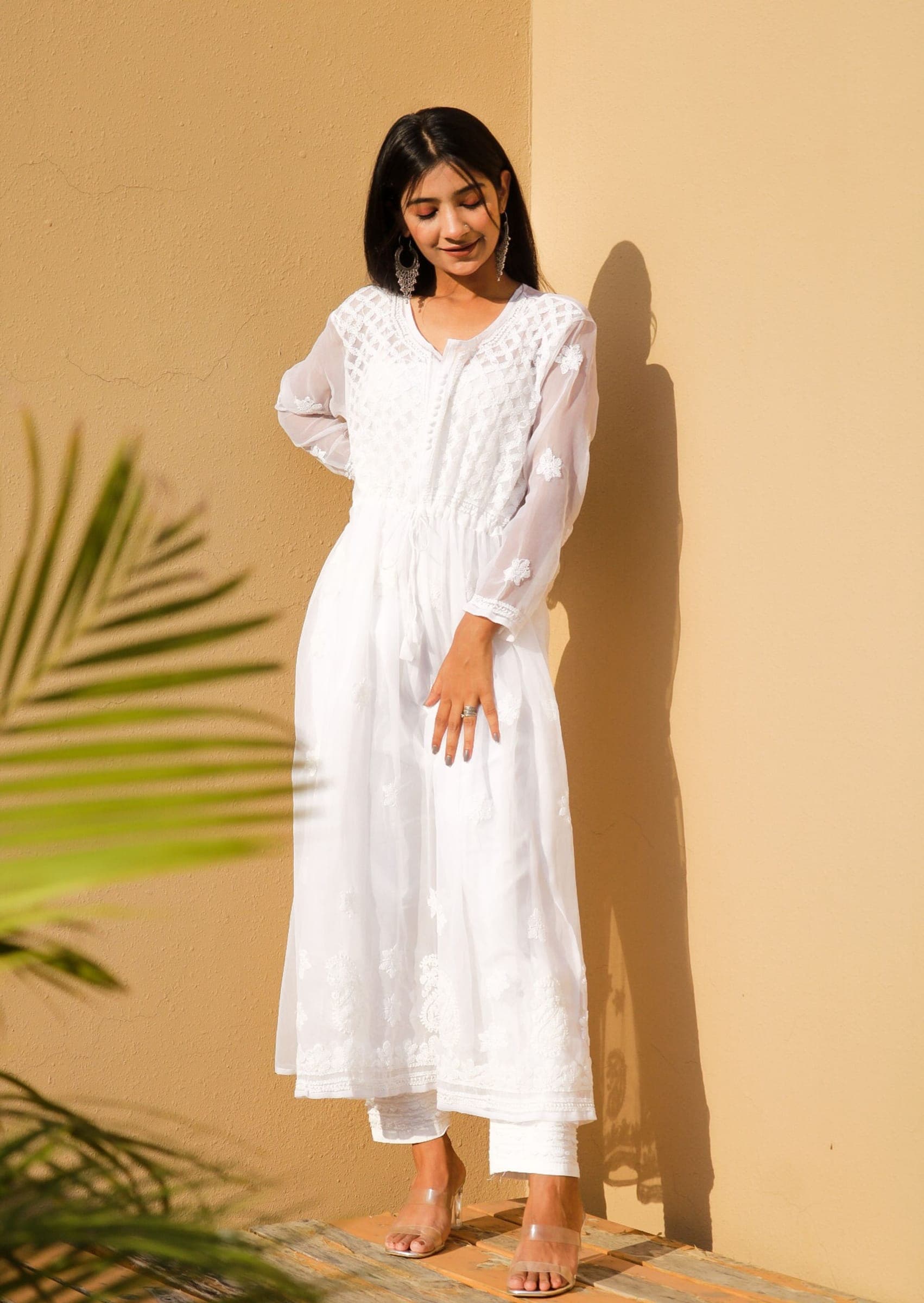
- A design that crosses occasions. A mid-level embroidery and a calm colour can go from a dinner to a family gathering to work.
- Pieces that separate. Trousers and a dupatta that also go with other kameez multiply the outfits you can make.
- Comfort for a whole day. Sleeves you can move in and a length you can sit in matter more than how it looks standing still.
Where the idea misleads
Cost per wear can justify almost anything if you inflate the expected wears. Be wary of three traps. First, an outfit for one special event will always score badly, and that is fine: some clothes are meant for one occasion and are worth it for that reason. Second, the sum ignores the money you do not have today; a lower cost per wear does not make something affordable. Third, it says nothing about how a piece makes you feel, which is often why you wear it.
Use it as a tie-breaker between options, not as a reason to spend more.
Applying it to a custom order
Before you order, picture the occasions you will wear the piece to, and design for them. Our capsule wardrobe guide shows how a few well-chosen pieces work together, and why made to measure has no price list explains what goes into a quote.
With us, each written quote includes delivery and any import charges at your end, so the price side of the sum is complete before you decide. Start with Fabric + Stitching if you want us to supply the fabric, then ask for a quote.
Common questions
Does cost per wear include washing and care?
It should, for a fair comparison. A piece that needs dry cleaning after each wear costs more to keep than one you can wash at home.
How many wears makes an outfit good value?
There is no fixed number. Compare it with similar clothes you own and how often they are worn; the point is to compare options, not to hit a target.
Is made to measure always better on cost per wear?
Not always. It does well when good fit and a versatile design mean you wear it often. A custom outfit designed for a single occasion scores no better than any other.
