
Buying guides by country · 4 October 2026 · 5 min read
Eid outfits in Australia and New Zealand: seasons and fabric
Planning Eid outfits in Australia and New Zealand, where Eid falls in late summer, autumn or winter: fabrics, sleeves and layers for each, and when to order.
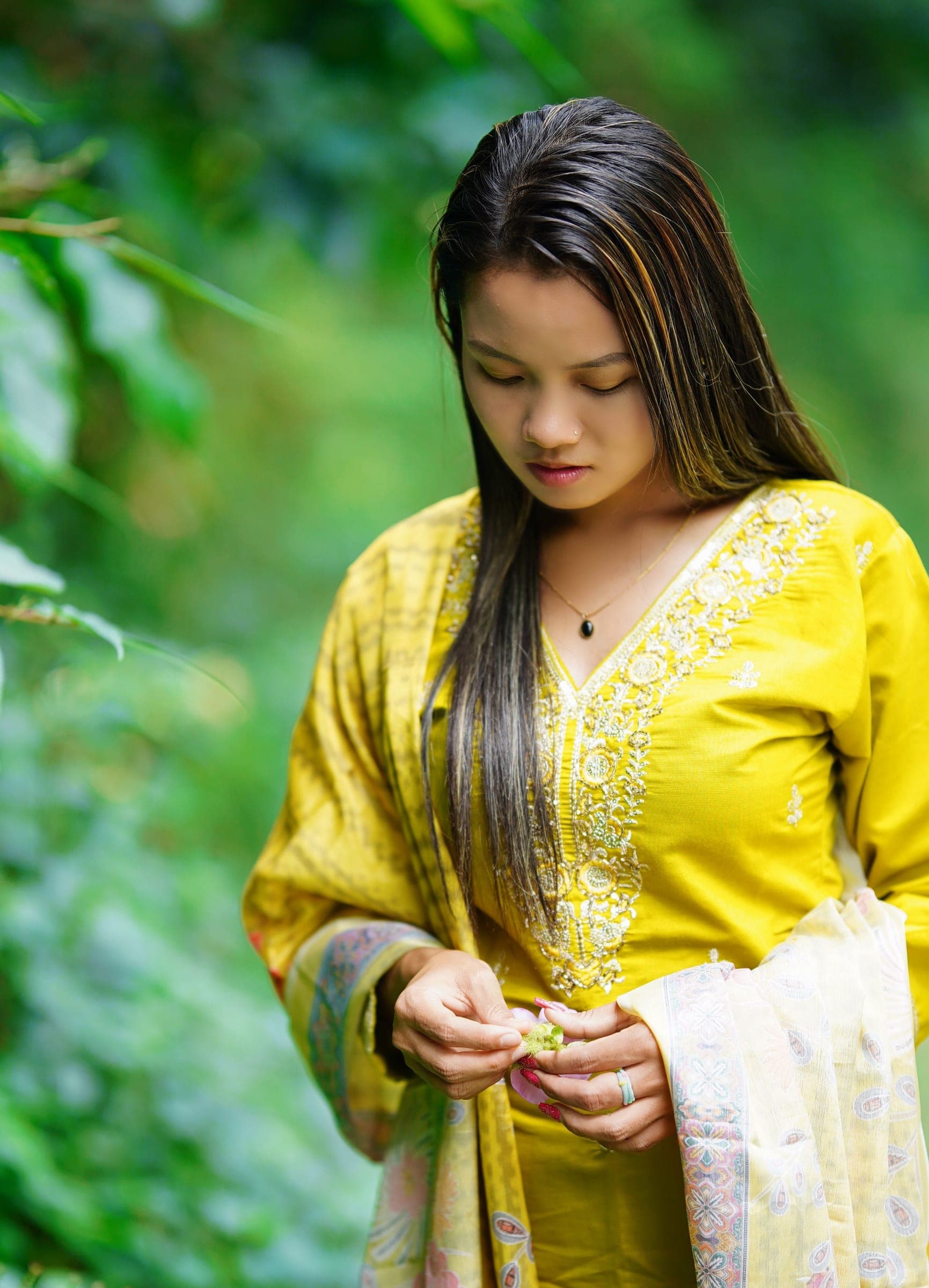 Inspiration
Why Eid feels different down south
Planning Eid outfits in Australia and New Zealand means planning for the season Eid actually lands in, not the season the Pakistani collections were designed for. The Islamic calendar is lunar, so each Eid arrives roughly eleven days earlier every year. Over the next few years, Eid al-Fitr is expected to fall in late summer or early autumn in the Southern Hemisphere, and Eid al-Adha in mid to late autumn, with dates confirmed by moon sighting. A made-to-measure outfit lets you choose the fabric, sleeves and lining for those conditions.
The catch is that Pakistani brands release Eid collections for Pakistan’s weather, which is often the opposite of yours. A light lawn designed for a hot Lahore spring can feel thin on an autumn morning in Christchurch or Hobart.
Eid al-Fitr in late summer and early autumn
Late February and March are still warm across most of Australia, and humid in Brisbane and Auckland, so lightweight fabrics stay the sensible choice for Eid al-Fitr in the coming years. Lawn with a chiffon dupatta is the classic, and cotton silk gives a little more sheen for the family lunch. Perth and Adelaide can still be hot well into March.
- Sleeves: three-quarter or elbow sleeves in lawn are comfortable through a long, warm day of visits.
- Lining: pale lawn usually needs one, so plan a fine cotton lining rather than a heavy one.
- Trousers: straight trousers or a classic shalwar move well and keep you cool. The trouser styles guide compares the shapes.
- Embellishment: delicate work at the neckline and sleeves keeps a summer outfit light; statement work suits an evening dawat.
Eid al-Adha heading into winter
Eid al-Adha is expected in autumn over the next few years: May at first, then April. In Sydney and Brisbane that is still mild, but Melbourne, Canberra, Dunedin and Wellington can be cold and wet, especially early in the morning. This is where a summer Eid collection bought in Pakistan does not quite work on its own.
There are three good answers. You can choose a heavier fabric outright, such as cotton silk, raw silk or a light karandi, with Fabric + Stitching. You can keep a summer fabric but ask for full sleeves and a lining, which adds warmth without losing the print you love. Or you can plan a layer on purpose: a long open jacket, a waistcoat or a wool shawl in a colour that belongs to the outfit, not a coat thrown over the top.
Cold mornings at prayer, warm afternoons
Eid prayers start early, and many communities pray outdoors in parks or sports grounds where the morning is the coldest part of the day. By lunchtime the sun can be strong. Dress in layers you are happy to be photographed in: a kameez that looks finished on its own, plus a shawl or jacket for the prayer ground.
Think about shoes and trousers together too. Wet grass and wide palazzos are not a happy combination, so a straight trouser or a slightly shorter wide leg can be the practical choice for an outdoor prayer. Our guide to modest outfits for Friday prayers has more ideas that also work for Eid morning.
Planning backwards from the moon
Because the date depends on the moon sighting, aim to have your outfit at home well before the earliest likely day. Production takes 5 to 7 working days from approval and full payment, and shipping to Australia or New Zealand is extra and varies. With Stitching Only, add the time your fabric takes to reach us, since production starts when it arrives. Our Eid outfit timeline works through the stages, and the Eid page collects ideas.
If you are ordering for the whole household’s women, or for both Eids at once, put everything in one enquiry. One set of measurements per person, one written quote, one delivery.
Ordering from Australia or New Zealand
For both countries the quote currency is agreed with you when you enquire, and payment is made in full in advance by bank transfer, Wise or a card payment link. The written quote includes delivery and any import duties, taxes and customs or courier fees, so nothing is due when the parcel arrives.
Embroidery, lace and borders are agreed in the quote; the fancy work page for Australia explains the levels, and the custom design page for New Zealand covers sending your own idea. Read the Australia or New Zealand page, then start your Eid quote or the New Zealand version.
Common questions
When does Eid fall in Australia and New Zealand over the next few years?
Eid moves about eleven days earlier each year. Over the next few years Eid al-Fitr is expected in late summer or early autumn there, and Eid al-Adha in mid to late autumn. Exact dates depend on the moon sighting.
Can a summer lawn Eid suit work in a southern autumn?
Yes, with planning. Ask for full sleeves and a lining, or plan a matching jacket, waistcoat or shawl as part of the outfit. If you want something warmer outright, choose a heavier fabric with Fabric + Stitching.
How early should I order an Eid outfit from New Zealand?
Allow for 5 to 7 working days of production after approval and payment, plus shipping time, which varies, and add the time your fabric takes to reach us if you are sending it. Ordering several weeks ahead leaves room for the moon sighting.
