
Embroidery and fancy work · 8 October 2026 · 3 min read
Embroidery on linen: weave, texture and thread
Embroidery on linen works well when the thread and density suit its open weave and slubs. How creasing and shrinkage affect the work, and what to ask for.
 Inspiration
Yes, and linen rewards simple, slightly bolder work
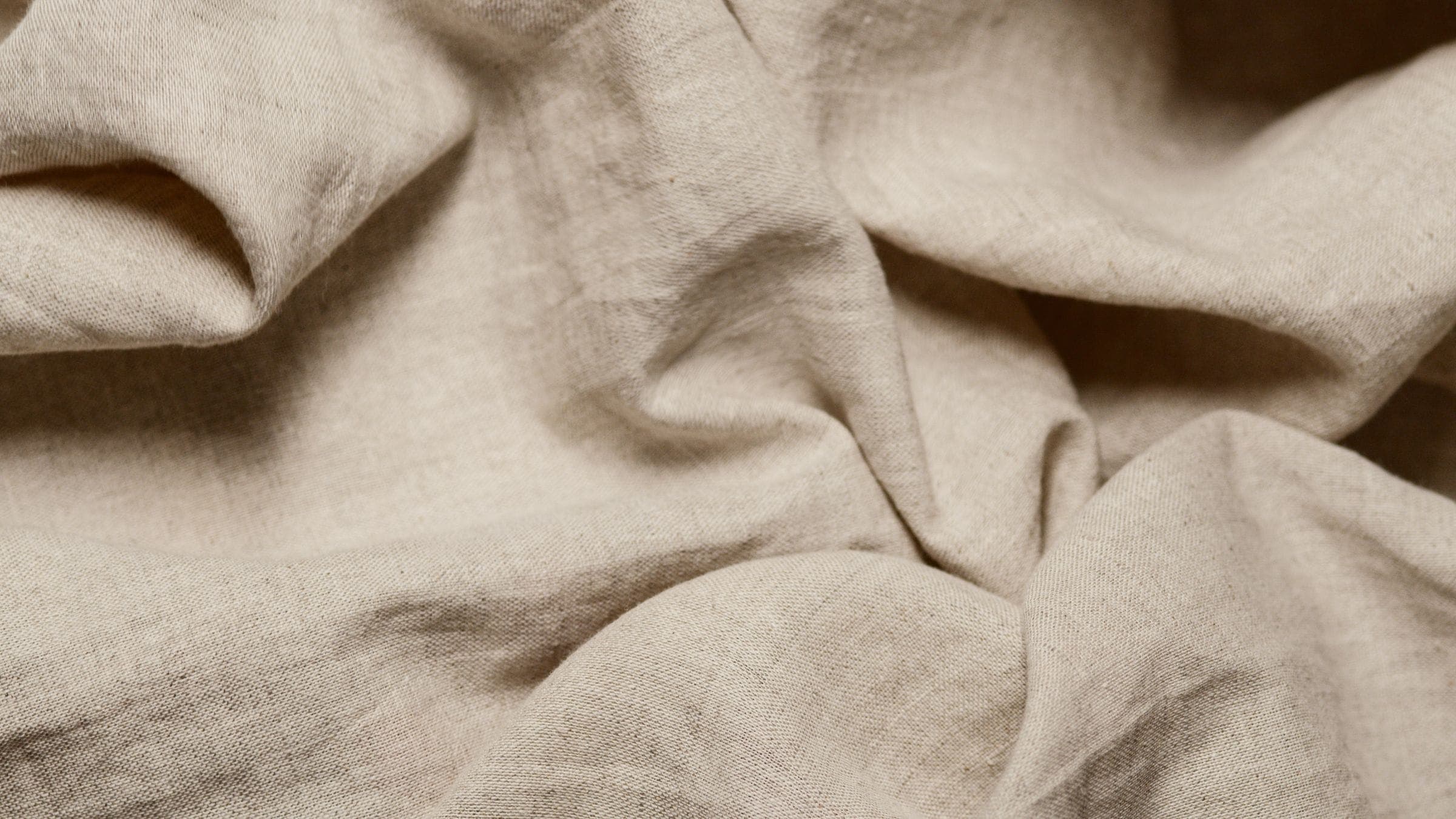
Linen takes embroidery well, as long as the work suits its character. Its open plain weave and natural slubs make tiny, delicate stitches disappear, while slightly thicker thread, clear outlines and moderate density stand out cleanly and look at home on the cloth.
Linen has a long history as an embroidery ground, from counted thread work to monograms on table linen, so the pairing is a natural one. The trick on a kurta or shirt is to work with the fabric rather than against it.
What the weave does to stitches
Linen yarns are uneven by nature: some threads are thicker than others, which gives the surface its slubbed look. Dress linen is also often woven more loosely than cotton cambric. Both features affect stitching.
- Fine single strands sink. A delicate outline in one fine strand can look broken where it crosses a slub.
- Thicker thread sits up. Several strands of cotton floss or a heavier silk-look thread holds a line clearly on the textured surface.
- Loose weaves shift. Very dense satin stitch or machine fill can drag the threads together and pucker, unless the area is well supported from behind.
- Even weaves count well. On linen with a regular grid, cross stitch and other counted stitches follow the threads neatly, which is why it has always been popular for them.
Creasing and shrinkage
Linen creases readily and many linens shrink on first washing. Embroidery adds a firmer patch to a fabric that wants to move, so the two need planning together. Washing or steaming the cloth before it is cut and embroidered takes out most of the shrinkage; our article on pre-washing fabric before stitching explains why. Without that step, the fabric around a motif can shrink more than the stitched area and leave it rippled.
Creases tend to gather around embroidered panels too, because the stiffer area does not bend where the plain linen does. Accept a little of that as part of linen’s relaxed look, and press from the back on a folded towel so the stitches keep their height.
Designs that suit a linen kurta or shirt
Think in clean shapes and open spacing rather than heavy fills. A few ideas that sit naturally on linen:
- A worked placket or yoke with outlined motifs and a little satin stitch inside them.
- A scattered buti pattern across the front, kept far enough apart for the cloth to show.
- Tone-on-tone thread on natural, white or pale grey linen for a quiet, textured finish.
- A single bold colour, such as indigo or rust, on undyed linen for a craft feel.
- Cuffs and a hem band to frame the shape of a straight kurta.
What to ask for
Tell us the weight of the linen if you know it, how heavy you want the work to look, and where it should sit. A reference photo is the clearest brief. If the linen is your own, it can travel to us for embroidery on your own fabric, or be cut and stitched through Stitching Only with the embroidery agreed alongside. We confirm what suits your fabric and design in your written quote.
Our linen fabric guide covers the cloth itself, and linen vs cambric helps if you are still choosing a base. When you are ready, ask for a quote.
Common questions
Is hand or machine embroidery better on linen?
Both can look good. Hand stitching copes well with linen’s uneven threads, while machine work needs firm support on a loose weave to avoid puckering. The design and the fabric weight matter more than the method.
Will embroidery stop linen from creasing?
No. The embroidered area stays a little firmer, but the plain linen around it creases as usual. Many people see that relaxed look as part of the appeal.
Can embroidered linen go in the washing machine?
Often on a gentle, cool cycle inside out, if the care label allows it and the thread is colourfast. Hand washing is kinder to raised work, and drying flat helps the fabric settle around the motifs.
More guides
- Choosing embroidery placement for a suit, piece by piece
- Embroidery on organza: crisp, sheer and delicate
- What is jaal embroidery? All-over patterns explained
- Types of lace for suits: names, looks and uses
- Embroidered trouser hems: what a paincha can carry
- What is kantha embroidery? Running stitch explained
