Fabrics and care · 4 October 2026 · 5 min read
Linen vs cambric: which is better for your kurta?
Linen vs cambric for a kurta or suit: flax against cotton, how each feels in heat, how much they crease and shrink, and which cuts and seasons suit them best.
 Inspiration
Linen vs cambric: the quick answer
Linen vs cambric is a choice between flax and cotton. Linen is woven from flax: cool, quick-drying and textured, with a relaxed look and plenty of creases. Cambric is a closely woven cotton: smooth, crisp and opaque, it keeps a neat finish through a working day and holds collars and pleats sharply. Choose linen for dry heat and an easy, casual look; choose cambric for offices, mild seasons and a polished finish.
Where the difference comes from
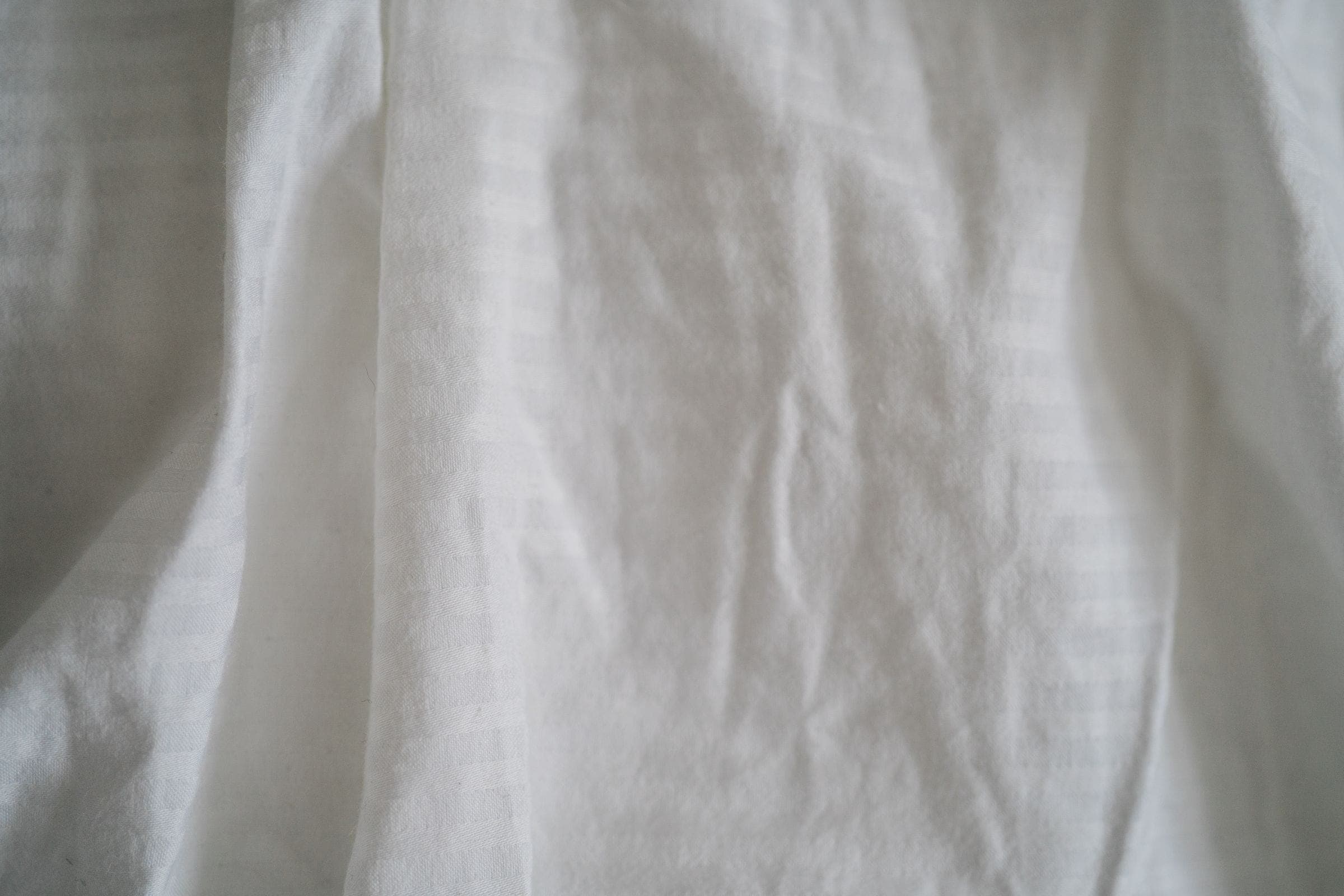
Flax fibres are long, stiff and smooth, and they wick moisture away and release it quickly. That is why linen feels cool and dries fast, and also why it creases: the stiff fibres do not spring back once bent. The yarn has natural thick and thin places, which give linen its slubby texture.
Cambric is made from fine cotton yarn woven densely and often finished with a slight sheen. Cotton absorbs moisture readily but releases it more slowly than linen, and its softer fibres recover better from creasing. Our pages on linen and cambric describe each fabric on its own.
Side by side
- In heat: linen feels cooler in dry heat and dries faster after sweating; cambric is comfortable but a little warmer.
- In air-conditioning: cambric feels warmer and more covered; linen can feel cool.
- Creasing: linen creases quickly and deeply; cambric creases moderately and presses back easily.
- Opacity: cambric is usually opaque; pale or fine linen can be slightly sheer.
- Shrinkage: both can shrink in the first wash, linen sometimes noticeably.
- Ageing: linen softens beautifully with every wash; cambric keeps its crisp hand longer.
Cuts that suit each fabric
Linen likes ease. Creases form wherever fabric is under strain, so a relaxed straight kameez, generous side slits and wide trousers suit it better than a close cut. Linen co-ords with a simple band collar are a classic summer look.
Cambric takes structure. It holds pleats, pintucks, collars and plackets crisply, and it works in slimmer cuts because it does not strain and crease as readily. Printed cambric three-piece suits are a staple of spring and autumn collections for that reason.
Which season and climate
For hot, dry summers, such as those in parts of Australia and southern Europe, fine linen is hard to beat. For humid heat, both work, though linen’s creases set quickly in damp air. For spring and autumn, offices and air-conditioned buildings, cambric is the steadier choice. Heavier winter linens also exist, which is one reason brands disagree on linen’s season.
If you spend your days moving between heat and cold air, our article on fabrics for air-conditioned offices goes into that problem in more depth.
Care and pressing
Wash both cool and gently, without bleach, and dry them in the shade so colours last. Iron linen while it is still slightly damp and at the higher heat its label allows; cambric presses easily on a medium setting. Pre-washing the plain pieces before cutting is often recommended for both, and our pre-washing guide explains how.
Ordering a linen or cambric outfit
Tell us on the quote whether your fabric has been washed. With Stitching Only in Australia or elsewhere, send photos of each piece and the label first, and we confirm suitability and quantity before you post anything. With Fabric + Stitching, say whether you want the relaxed look of linen or the crisp finish of cambric, and we propose fabric before cutting. Production takes 5 to 7 working days after approval and full payment. Request a quote to begin.
Common questions
Is linen cooler than cambric?
In dry heat, usually yes, because flax wicks and releases moisture quickly. In humid weather the difference is smaller, and cambric creases less.
Which creases less, linen or cambric?
Cambric. Its cotton fibres recover from bending better than flax, so it keeps a neater look after sitting or travelling.
Is cambric see-through?
Cambric is usually opaque because it is closely woven, which is one reason it is popular for work kurtas. Very pale or fine versions are worth checking against daylight.