Styles and design · 4 October 2026 · 5 min read
Modest dressing ideas with shalwar kameez: 10 outfits
Ten modest shalwar kameez outfit ideas for everyday, work and gatherings, with the cut, trouser, sleeve and dupatta choices that make each one easy to wear.
 Inspiration
Modest dressing ideas that start with the suit
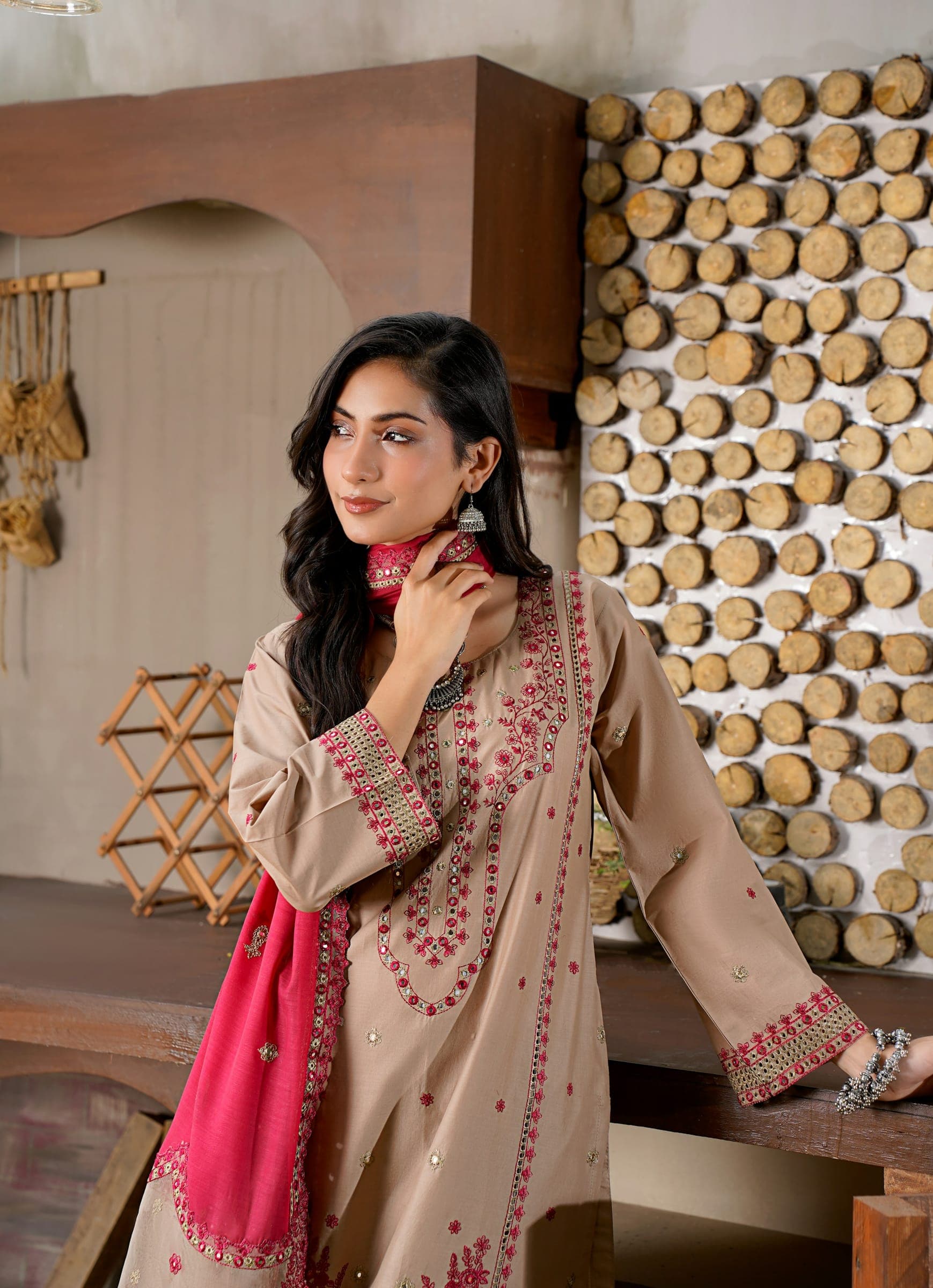
The simplest modest dressing ideas with shalwar kameez come from pairing a longer, easy kameez with roomy trousers, sleeves to the wrist and a generous dupatta, then changing one element at a time for different days. Below are ten outfits built that way, from a plain weekday look to something dressier for Eid, with the details to ask for when each piece is cut to your measurements.
Modesty is personal, and nobody else can set your line for you. These are practical combinations, not rules. Our guide to sleeves, necklines and lengths explains how the individual details work together; this article is about whole outfits you can actually put on in the morning.
Everyday outfits
These four are the workhorses: quick to wash, easy to repeat and comfortable from breakfast to bedtime.
- 1. The long straight kameez with a classic shalwar. A straight kameez to just below the knee, full sleeves and a cotton dupatta. Ask for slits that stop well below the hip so the hem stays put when you sit.
- 2. The A-line kameez with palazzos. The flare of an A-line falls away from the body, and wide palazzo trousers keep the whole silhouette loose. Good in printed lawn for summer.
- 3. The tonal two-piece. Kameez and trousers in the same colour read as one long line, which looks tidy with a hijab and needs no dupatta if you prefer not to wear one.
- 4. The kaftan-style kameez. A wide, easy shape with sleeves cut in one with the body, worn over straight trousers. Our kaftan-style guide covers how it is cut.
Outfits for work and errands
Busy days need outfits that look composed, survive a commute and still give you room to move.
- 5. The band-collar kurta with straight trousers. A neat band collar sits flat under a scarf, and a mid-calf kurta over straight trousers looks smart without a dupatta.
- 6. The long kameez and open cardigan. A plain kameez in cambric with a long knit cardigan on top gives cover for the arms on chilly mornings and comes off easily indoors.
- 7. The co-ord with a longer top. A matching tunic and trousers, with the tunic cut to cover the hips. Ask for side-seam pockets for keys and a phone.
Outfits for gatherings and Eid
Dressier days are where modest outfits often go wrong, because party pieces lean towards sheer sleeves, deep necklines and fitted bodices. A few changes keep the occasion feel without the compromise.
- 8. The kalidar frock with churidar or straight trousers. A long kalidar frock has panels that swing as you walk and cover generously. Ask for full sleeves, lined if the fabric is fine.
- 9. The angrakha with a wide dupatta. An angrakha wraps across the front, so ask for the overlap to be deep enough that it does not open when you sit or reach.
- 10. The embroidered winter suit. A heavier fabric with embroidery at the neckline and sleeves, worn with a shawl. Our embroidered karandi suit is one example of a fuller, covered three-piece for colder months.
Small choices that make every outfit work
Across all ten outfits, the same handful of decisions decide whether a modest look feels comfortable or fussy. Choose the trouser style before the kameez length, because a long kameez over slim trousers behaves very differently from the same kameez over a shalwar. Keep slits lower as the kameez gets longer, or choose a flared cut that needs none. Ask for a little more ease at the bust and seat in soft fabrics, which cling where crisp cotton would not.
Fabric decides how much the cut can do. Pale lawn and chiffon need lining to be opaque, while cambric, khaddar and karandi cover on their own. Dark and mid colours also hide more than white or pastel in bright light. If you are unsure, our page on choosing fabric explains how we agree it before cutting.
Having your own versions made
Every outfit above can be made to your measurements in Pakistan and shipped to you, wherever you live. With Fabric + Stitching we supply the agreed fabric and make the outfit; with Stitching Only you send us your own fabric after we confirm it is suitable. Customers in the UK receive quotes in pounds, and customers in Dubai and the rest of the Gulf can choose dollars, euros or pounds.
To start, use the Fabric + Stitching quote form, pick the outfit number from this list in your notes, and add your preferences for sleeve length, slit height and lining. Production takes 5 to 7 working days once the written quote is approved and paid in full, and the quote already includes delivery and any import charges, so there is nothing more to pay at your door.
Common questions
Which shalwar kameez style is the most modest?
A kameez at or below the knee with full sleeves, low slits and a little ease through the body, worn with a shalwar or wide trousers, gives the most coverage. A-line, kalidar and kaftan shapes fall away from the body, so they rarely cling.
Can I wear a modest shalwar kameez without a dupatta?
Yes. A tonal two-piece, a high neckline or band collar, and a longer kameez all give coverage without a dupatta. Many women wear a hijab or scarf instead, so a neat, flat neckline matters more than a decorative one.
What trousers go with a long kameez?
A shalwar, straight trousers or palazzos all sit well under a long kameez. Very slim trousers show more shape below the hem, so if coverage matters, choose a wider leg.