
Embroidery and fancy work · 8 October 2026 · 3 min read
Resham or zari: thread or metallic embroidery?
Resham vs zari: soft coloured thread or metallic shine? Compare look, comfort, weight, washing and fabric so you can choose the right embroidery for each occasion.
 Inspiration
Choose by occasion first
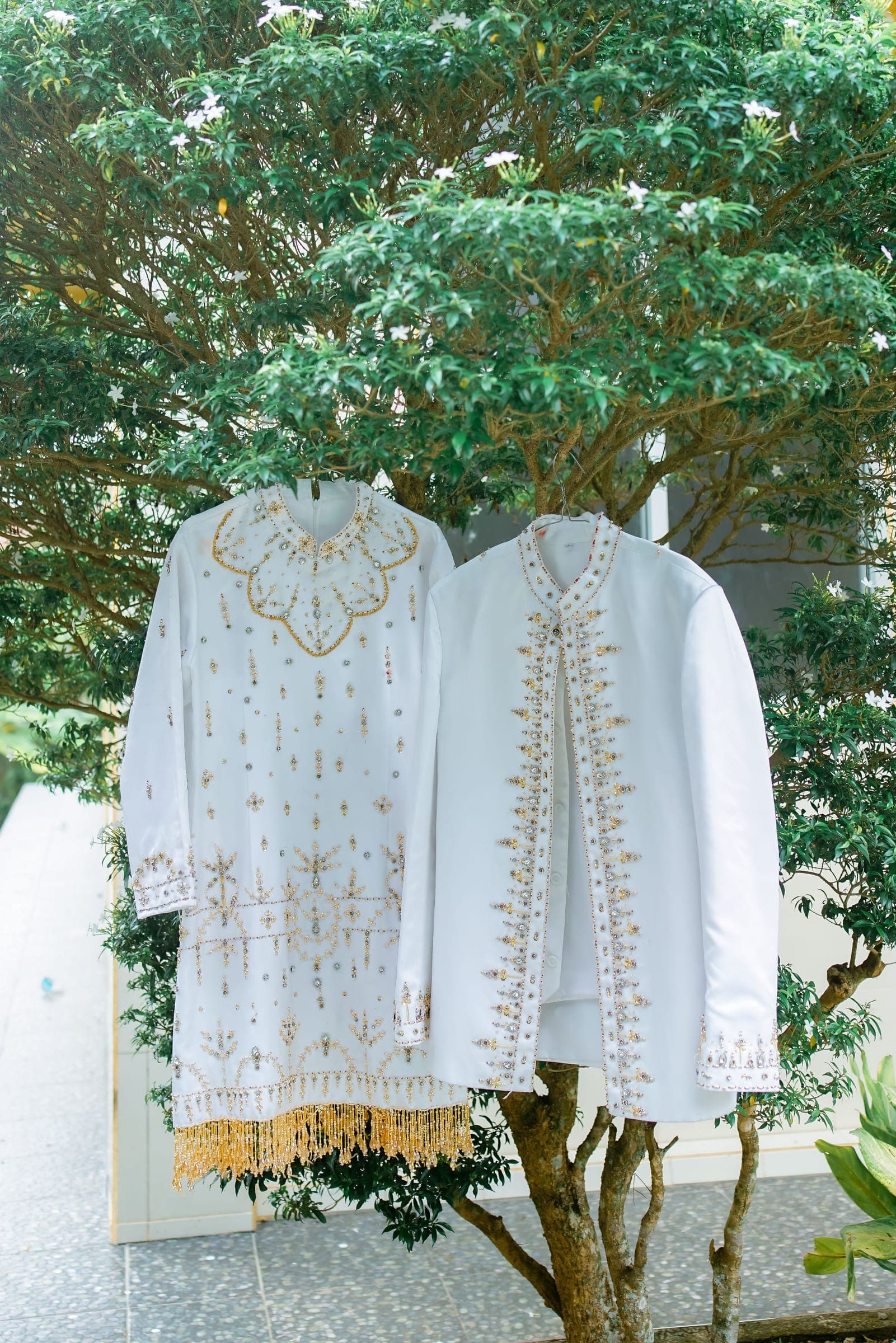
Pick resham, soft coloured thread, for everyday and daytime wear, comfort against the skin and easy care; pick zari, metallic thread, when you want shine for Eid, evenings and formal gatherings and are happy to give it a little more care. Plenty of outfits combine the two, with resham motifs and zari outlines.
Our resham guide covers thread work in depth, and zardozi vs tilla vs gota compares the metallic finishes with each other. This article sets thread against metal.
What each one is
Resham means silk, and resham embroidery was originally worked in silk thread. Today much of it uses viscose or polyester threads with a silky sheen, often called art silk, which come in hundreds of colours and behave in much the same way.
Zari is metallic thread. Traditional zari was made by wrapping a fine flattened wire of silver, sometimes gilded, around a silk core. Most zari now is imitation, using copper wire or a metallised polyester film, which is lighter and less costly to make, and the polyester kinds resist tarnish. Zari is used both for weaving borders into fabric and for embroidery.
Side by side
The practical differences show up the moment you wear and wash them.
- Look: resham gives colour and a soft sheen; zari gives a bright metallic glint in gold, silver, copper or antique tones.
- Feel: resham is soft and flexible. Zari is firmer, and the back of dense metallic work can feel scratchy on bare skin.
- Weight: resham is light. Heavy zari work adds noticeable weight to lawn or chiffon.
- Climate: resham suits hot weather and long days; dense zari can feel warm and stiff.
- Washing: resham usually tolerates gentle hand washing, though deep colours can bleed. Zari prefers careful hand washing or dry cleaning, as water, sweat and rough handling dull it.
- Ageing: resham may fade a little in strong sun. Zari, especially older silver-based kinds, can tarnish or darken over time.
Matching the work to the fabric
Resham sits comfortably on almost anything, from lawn and cambric to khaddar and linen. Zari looks richest on fabrics with some body, such as raw silk, organza, velvet or a firm chiffon with lining, and it needs support behind dense areas so the cloth does not pucker. For bare-skin areas like the neckline and inner sleeve, a lining stops metallic work rubbing; our article on embroidery and lining explains how.
For seasonal choices, see embroidery for hot and cold climates.
Asking for thread or metallic work
Specific techniques are not promised in advance, because what suits depends on the fabric and design. Tell us the occasion, whether you lean towards soft colour, shine or a mix, and send a reference photo through custom embroidery. If you are customising one of our designs, use a customise quote and choose the embroidery level there. We confirm what is possible on your fabric and design in your written quote.
Common questions
Is zari made of real gold?
Traditional zari used silver wire, sometimes coated in gold. Most zari today is imitation metallic thread, so ask the seller if real metal matters to you.
Does resham embroidery shine?
It has a soft sheen, especially in silk and viscose threads, but nothing like the bright glint of metallic thread.
Which is easier to wear all day?
Resham. It is lighter and softer against the skin, while dense zari can feel stiff and warm after a few hours.
More guides
- Choosing embroidery placement for a suit, piece by piece
- Embroidery on organza: crisp, sheer and delicate
- What is jaal embroidery? All-over patterns explained
- Types of lace for suits: names, looks and uses
- Embroidered trouser hems: what a paincha can carry
- What is kantha embroidery? Running stitch explained
