Occasions and ordering · 8 October 2026 · 3 min read
Why does fabric change colour in different light?
Why does fabric look different in different light? How daylight, warm bulbs and hall lights shift the same cloth, and how to pick a shade for where you wear it.
 Inspiration
The cloth stays the same; the light does not
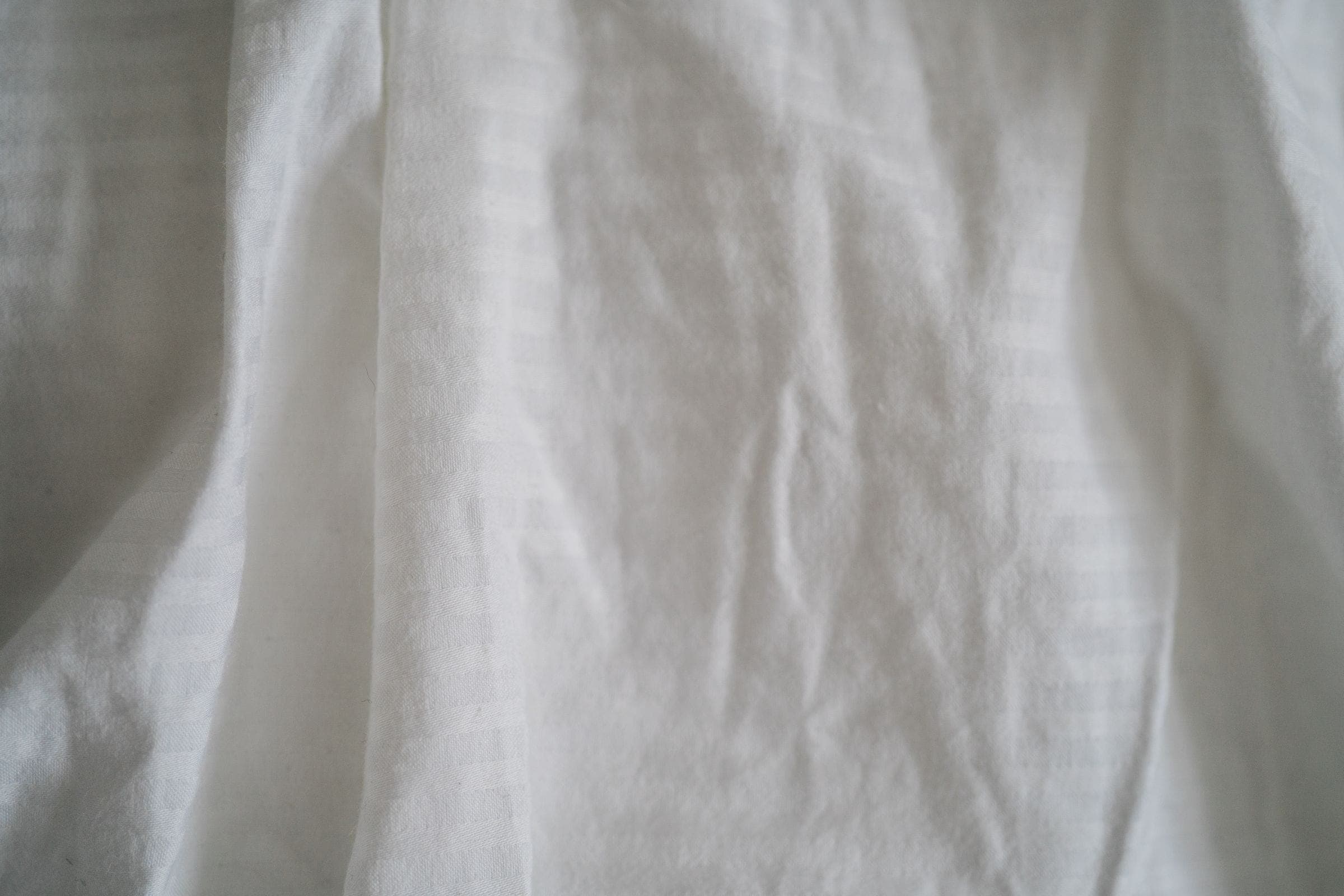
Fabric has no fixed colour of its own. What you see is the light that the dye reflects back, so when the light changes, the colour you see changes with it. Daylight, warm indoor bulbs and the mixed lighting of a hall each contain different amounts of red, green and blue, and each one makes the same piece of cloth look a little different.
This is about fabric in front of you in a room. Colours on a screen add another layer of change, but even with the real cloth in your hand, the light decides a good deal.
How common kinds of light shift colour
The effects below are general tendencies, and modern lighting varies a lot, but they explain most surprises.
- Daylight by a window: the most even light, and the one most people treat as true colour. Shade and cloudy days lean cooler and slightly blue.
- Warm household bulbs: add yellow and orange. Reds, golds and pista greens glow; blues and purples look duller, and navy can drift towards black.
- Cool white or office lighting: can make warm colours look flat and add a slight green or blue cast to pale shades.
- Wedding halls and evening venues: often warm and dim, sometimes with coloured spotlights. Dark colours lose detail, and shine and embroidery stand out.
- Camera flash: brightens the front of the fabric and can bleach pale colours in photos.
Why two fabrics can match in one room and not another
Sometimes a kameez and a dupatta match perfectly at home and clash at the event. This has a name, metamerism: two dyes that look the same under one light reflect differently under another. It is common when pieces come from different fabrics or dye lots, and it is the reason to check combinations in more than one kind of light.
Texture plays a part too. Sheened fabrics such as satin and silk change with the angle of the light, and velvet looks darker or lighter depending on the direction of the pile. A matt cotton such as cambric changes the least.
Choosing a shade for the light you will wear it in
Decide where the outfit will mostly be seen, then judge the fabric in similar light. Some practical steps:
- Look at the fabric by a window during the day and again under a warm lamp in the evening.
- For an evening event, choose a shade that still pleases you under the lamp, not only in sunshine.
- Hold the kameez, trousers and dupatta fabrics together in both lights before deciding they match.
- If you love a dark blue or purple for a night function, consider a slightly brighter version so the colour still shows.
- Take a photo of the fabric in each light and compare them side by side.
When you order
If you already have the fabric, our Stitching Only service makes it up for you once we confirm it is suitable, and you can judge the colour in your own rooms first. If we are supplying the fabric, the colour is agreed in the written quote; tell us whether it is for day or evening. A small difference in shade from a photo is not a fault, so mention it before you pay if the exact tone matters. The guides to choosing fabric and winter wedding guest outfits help with evening choices. Ask for a stitching-only quote when you are ready.
Common questions
Which light shows the true colour of fabric?
Daylight near a window, away from direct sun, is the usual reference. Even so, judge the colour in the light where you will actually wear the outfit.
Why does my white kurta look yellow indoors?
Warm bulbs add yellow to everything they light. White and cream fabrics show it most because they reflect almost all the light that falls on them.
Do embroidery threads change colour too?
Yes. Metallic and shiny threads change most with the angle and warmth of the light, which is why embroidery often looks richer under evening lamps than in daylight.