
Styles and design · 8 October 2026 · 3 min read
Why the same colour looks different on two fabrics
Why does the same colour look different on different fabrics? Fibre, weave, sheerness and sheen all change it. Why a dupatta looks paler, and how to plan tonal sets.
 Inspiration
Fabric changes what the eye receives
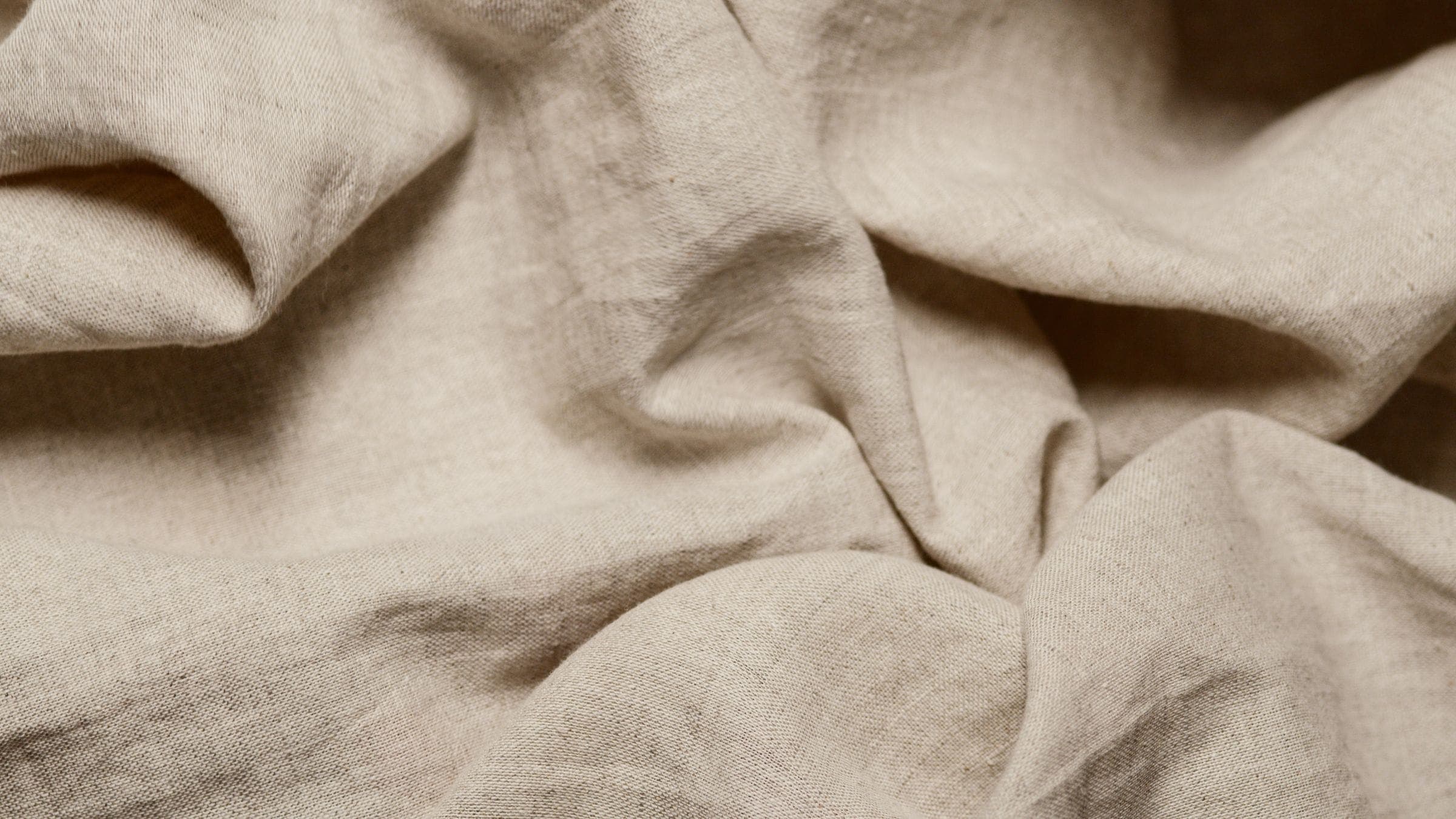
The same named colour looks different on two fabrics because the colour you see is light bouncing off, or passing through, the cloth, and every fabric handles light differently. The fibre takes up dye in its own way, the weave scatters or reflects light, sheer fabric lets the background show through, and a sheen adds highlights. Change any of those and the shade changes, even when the dye recipe was meant to match.
That is why a chiffon dupatta sold as part of a suit so often looks paler than the lawn kameez beside it. Nothing has gone wrong; the two fabrics are simply showing the colour in different ways.
Fibre: each one takes dye differently
Different fibres need different families of dye. Cotton and viscose are usually dyed with reactive dyes, polyester with disperse dyes at high temperature, and silk and wool with acid dyes. So a cotton kameez and a polyester chiffon dupatta in “the same colour” were never dyed with the same dye at all. The dyer matched them by eye or by instrument, and the match is only ever close.
Those different dyes can also react differently to light. Two fabrics can look identical under a shop’s lights and different by a window. This is called metamerism, and it is the reason to compare pieces in more than one light before you decide they match.
Weave, sheerness and sheen
Once the dye is in, the surface of the cloth takes over. These are the main effects to expect.
- Matt weaves: lawn, cambric and khaddar scatter light evenly, so colour looks soft and steady from every angle.
- Satin weaves and silk: long, smooth threads reflect light, so the colour looks brighter at the highlights and much deeper in the folds.
- Pile: velvet traps light between its fibres, so the same shade looks deeper and richer than on a flat fabric, and changes as you brush the pile.
- Texture: slubs, dobby weaves and jacquards create tiny shadows that make a colour look slightly darker and less flat.
- Sheer fabrics: chiffon, georgette and organza have fewer threads, so skin, lining or the kameez underneath shows through and dilutes the colour. Where a dupatta folds over itself it looks deeper, because the layers add up.
Planning a set that is tonal on purpose
Since an exact match across fibres is rare, the easiest approach is to plan the difference. Decide which piece sets the colour, usually the kameez, and let the others be clearly lighter or deeper rather than almost the same. If you want a sheer dupatta to read as the same colour as an opaque kameez, a shade or two deeper on the chiffon often looks closer once it is worn. Mixing textures, a matt lawn kameez with a soft chiffon dupatta, also makes small differences look intended.
Our guide to monochrome and tonal suits has ideas for building one colour family across three pieces, and chiffon vs georgette vs organza explains how each sheer fabric behaves.
Checking colours before you order
Look at the pieces together in daylight and again under indoor light. Lay the sheer fabric over the opaque one and also on its own over your hand, because that is closer to how it will be worn. Photographs add another layer of difference, so send daylight photos next to something white; our guide to photographing fabric for a quote shows how.
With Fabric + Stitching, the fabrics and colours are agreed in the written quote before cutting, and a small difference in shade between fabrics or from photos is normal. Ask for a Fabric + Stitching quote and say whether you want an exact-looking match or a tonal set.
Common questions
Why does my dupatta look lighter than my kameez?
A sheer dupatta lets light and whatever is behind it show through, which dilutes the colour. It is often a different fibre too, dyed with a different dye. Where it folds into two or three layers, it looks closer to the kameez.
Can two different fabrics ever match exactly?
They can look very close, especially if they share a fibre and finish, but an exact match in every light is rare. A deliberate step lighter or deeper usually looks better than a near miss.
What is metamerism?
It is when two colours match under one light, such as a shop’s lamps, and look different under another, such as daylight. Different dyes cause it, so always check matching pieces in more than one light.
