
Styles and design · 8 October 2026 · 3 min read
How to look put together in simple clothes
How to look put together in simple clothes: fit at the shoulder, pressed fabric, a short colour list and finished edges, the checks that count for more than price.
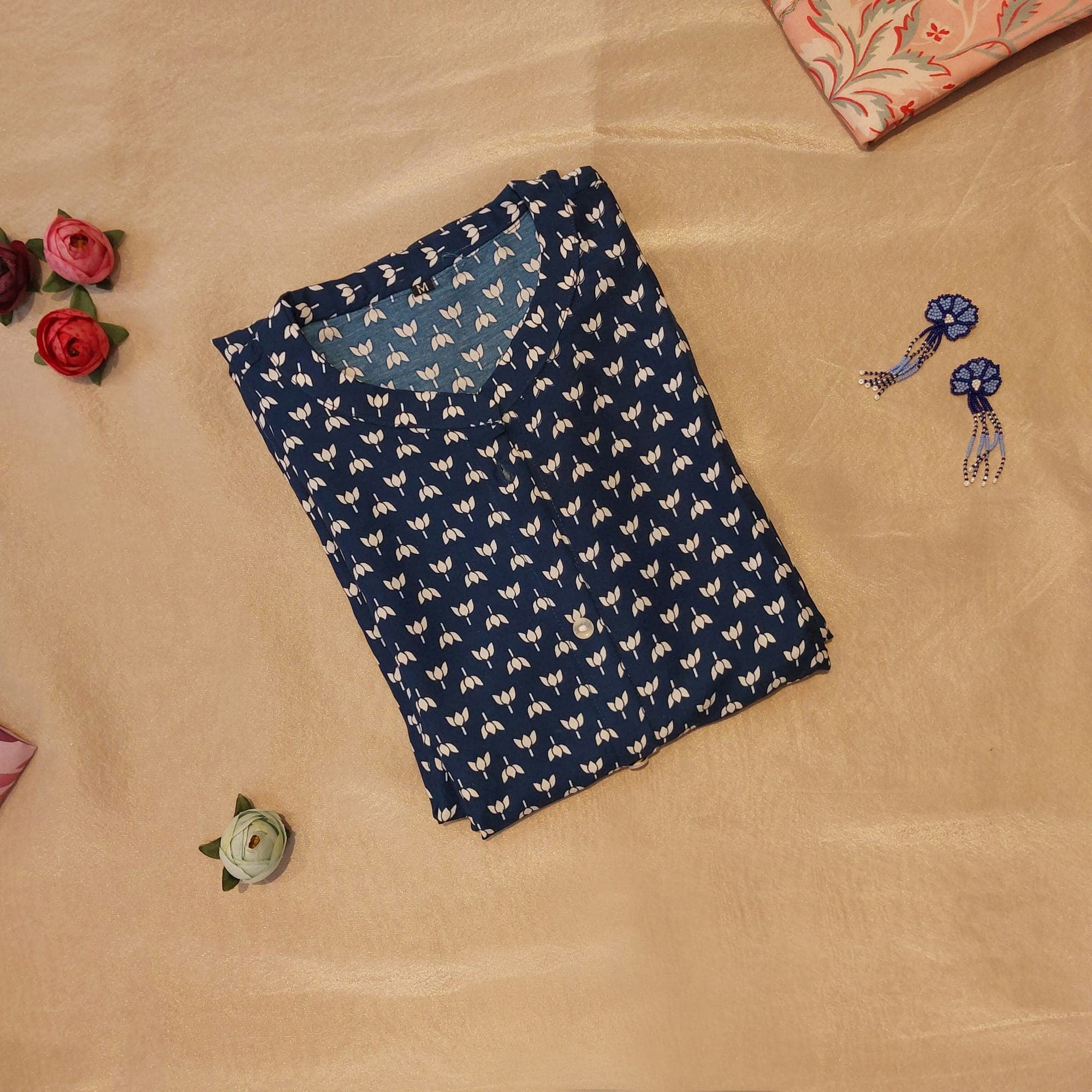 Inspiration
Four checks before you leave the house
To look put together in simple clothes, get four things right: the shoulder seams sit at your shoulders, the fabric is pressed, the outfit uses no more than two or three colours, and every edge is finished, with level hems, no loose threads and nothing frayed. A plain kurta and trousers that pass these checks look more polished than an expensive outfit that fails them.
None of this needs new clothes. It needs a few minutes of attention, and for the pieces you wear most, a fit that is right from the start.
Check one: fit at the shoulder
The shoulder is where the eye reads fit first. When the seam sits on the edge of your shoulder bone, a kurta or shirt hangs cleanly from it. When the seam drops down the arm, the whole garment looks borrowed; when it pulls in towards the neck, everything looks tight. Our guide to armhole and shoulder fit problems explains the measurements that fix both.
After the shoulder, look at sleeve length (ending at the wrist bone for a full sleeve) and trouser length (just clearing the floor in your usual shoes). These three lines carry most of the impression of fit.
Check two: pressed fabric
Creases are the quickest way to make good clothes look tired. Steam or iron the front of a kurta, the collar or neckline, and the sleeves every time; those are what people see. If mornings are rushed, hang tomorrow’s outfit the night before, or choose fabrics that crease less. Our article on travel-friendly kurtas compares fabrics by how well they resist wrinkles.
Check three: a short colour list
Outfits with two or three colours look planned. Outfits with five look accidental. A simple way to stay within the limit is tonal dressing: one colour in several shades, with one neutral. Our guide to monochrome and tonal three-piece suits shows how far a single colour can go.
- Count the printed kameez or top as one colour, the colour it reads as from across a room.
- Let shoes and bag share a colour.
- Pick a dupatta or scarf that repeats a shade already in the outfit.
Check four: finished edges
Look at the edges: hems, cuffs, necklines and the ends of the dupatta. A dropped hem, a loose thread, a button hanging by a strand or a frayed dupatta edge undoes a neat outfit. Snip loose threads, re-sew wobbly buttons and keep a small sewing kit for quick repairs. Small finishing details such as piping at the neckline or a neat straight hem are what make simple clothes look considered.
Simple pieces worth having made
Because fit is the check that care cannot fix, it is worth having the pieces you wear most made to your measurements. Our article on plain suits with presence shows how cut and texture lift plain fabric. With custom stitching, you can order a single kurta or a whole set, and the details are agreed in writing before cutting. Request a quote with photos of what you like.
Common questions
Can inexpensive clothes look polished?
Yes. Fit, pressing, a limited colour list and neat edges matter far more than price. A modest kurta that fits well and is freshly pressed looks smarter than a costly one that is creased.
How many colours should one outfit have?
Two or three is a comfortable limit for a polished look. A printed piece counts as the colour it reads as from a distance.
What is the quickest way to look neater on a busy morning?
Steam the front and neckline of what you are wearing and check the hem. Those two minutes change the impression more than swapping the outfit.
