
Fabrics and care · 8 October 2026 · 3 min read
What is dhanak fabric?
What is dhanak fabric? A soft, wool-look winter cloth, usually a blend. How warm and how prickly it is, and how a dhanak suit compares with khaddar and karandi.
 Inspiration
The short definition
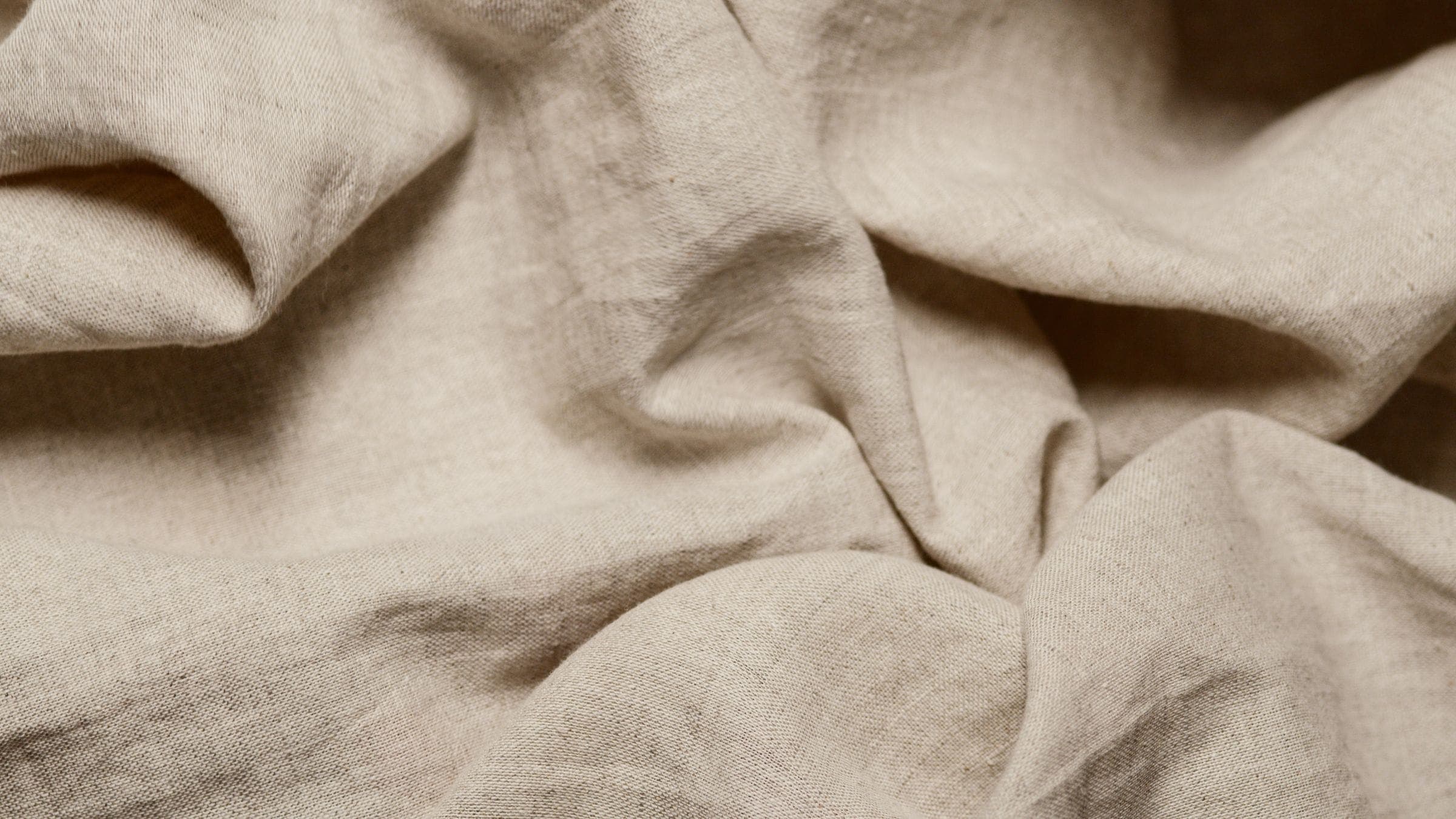
Dhanak is a winter fabric with a soft, wool-like feel and a slightly fuzzy surface, sold in Pakistan for cold-weather suits and shawls. It is usually a blend: wool mixed with acrylic, polyester or viscose in some versions, and entirely synthetic wool-look fibre in others. It is warmer than khaddar, and it is the fabric many people keep for the coldest weeks of the year.
As with most Pakistani fabric names, dhanak describes a look and feel, not a fixed recipe. Two suits sold under the name can have quite different amounts of wool in them, and some labels do not state the fibre at all. If warmth, itch or washing matter to you, the composition on the label is the thing to read.
How warm is it?
Among everyday suit fabrics, it sits at the warm end. Wool and wool-like fibres are crimped, so the cloth holds a layer of still air, and the brushed surface adds to that. Weight for weight, dhanak keeps more heat in than a cotton cloth, which is why a dhanak suit can feel cosy without being especially thick.
How warm any one suit is depends on the blend and the weight. A wool-rich dhanak is warm and still breathes reasonably well. A fully synthetic one is warm too, but can feel stuffy in heated rooms. For a properly cold climate, treat it as one layer among several; our article on suits for snowy winters explains the layering.
Is dhanak prickly?
It can be. Wool fibres, and some coarser acrylics, have ends that tickle or prickle sensitive skin, mostly at the neck, inner arms and waist. Softer, finer blends barely do it at all. There is no way to tell from a photo, so test the fabric: hold it against the inside of your wrist or the side of your neck for a minute.
If you love the warmth but not the feel, there are simple answers. A soft cotton lining keeps the cloth off the skin, a faced or bound neckline stops the edge rubbing, and a thin layer underneath does the rest. Ask for a lining in your quote, and we confirm what is possible on your fabric and design. Our guide to lining for hot and cold climates covers winter linings.
Dhanak vs khaddar and karandi
A simple way to choose: khaddar for everyday cold days, karandi when you want to look sharp, dhanak when warmth comes first. The winter fabrics guide compares the others in more depth.
- Khaddar: usually cotton, thick, matt and coarse in texture. It is warm because it is thick, it breathes well and it washes more easily. Dhanak is softer, fuzzier and warmer for its weight. See the khaddar page.
- Karandi: crisp and grainy, with a smart, structured look. Dhanak is softer and more casual, and it drapes instead of holding a line. See the karandi page.
- Marina: the closest in feel, soft and lightly brushed, but generally lighter and less woolly. See the marina page.
Stitching and looking after it
Dhanak suits simple shapes. A relaxed straight kameez with full sleeves and straight trousers or a shalwar is the usual suit, cut with enough ease for a layer underneath. Heavy gathers add bulk.
To have a dhanak suit made with Stitching Only, send photos of each piece and the label, and say whether you will wear a thermal under it. We confirm the fabric suits the design before you post it. Start your quote here.
- Washing: follow the label. Dhanak with wool in it needs cool water and gentle handling, because heat and rubbing make wool shrink and mat. Some is dry clean only.
- Pilling: soft, fuzzy fabrics form bobbles where they rub. Our winter fabric problems guide shows how to remove them.
- Pressing: low heat, on the reverse, or steam.
Common questions
Dhanak fabric is for which season?
Winter. It is sold in cold-weather collections and is at its most useful in the coldest weeks. It is too warm for spring or autumn in most places.
Is dhanak pure wool?
Rarely. Most dhanak is a blend of wool with acrylic, polyester or viscose, and some contains no wool at all. Only the label can tell you the proportions.
Is dhanak warmer than khaddar?
Generally yes. Dhanak traps more air for its weight because of its wool-like fibres and brushed surface, while khaddar relies on thickness. A heavy khaddar can still be warmer than a thin dhanak.
